As a supplier in the field of hybrid robots, I’ve often been asked about the lifespan of these remarkable machines. Hybrid robots, which combine the best features of different robotic types, are transforming industries with their versatility and efficiency. But understanding their lifespan is crucial for businesses looking to invest in this technology. Hybrid Robot
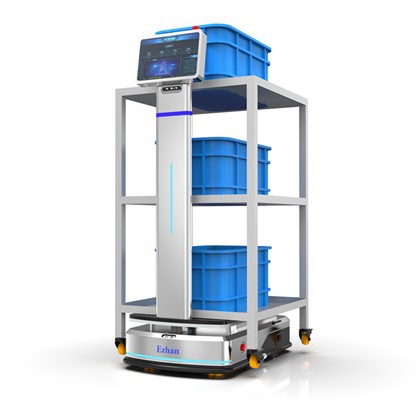
Understanding Hybrid Robots
Before delving into the lifespan, it’s essential to understand what hybrid robots are. Hybrid robots integrate multiple robotic technologies, such as combining the mobility of a mobile robot with the precision of a robotic arm. This combination allows them to perform a wide range of tasks, from complex manufacturing processes to logistics operations.
The design of hybrid robots varies widely depending on their intended applications. Some are built for harsh industrial environments, while others are designed for more delicate tasks in sectors like healthcare or research. The materials used in their construction, including metals, polymers, and advanced composites, also play a significant role in determining their durability.
Factors Affecting the Lifespan of Hybrid Robots
1. Quality of Components
The lifespan of a hybrid robot is heavily influenced by the quality of its components. High – quality motors, sensors, and control systems are more likely to withstand wear and tear over time. For example, a robot equipped with precision servo motors from a reputable manufacturer will generally have a longer lifespan compared to one with lower – grade motors. These high – quality components are designed to operate with greater efficiency, reducing the stress on the robot’s overall system.
2. Operating Environment
The environment in which a hybrid robot operates has a profound impact on its lifespan. Robots used in industrial settings, such as factories with high levels of dust, heat, and vibration, are subject to more demanding conditions. In contrast, those used in cleanroom environments, like semiconductor manufacturing or pharmaceutical research, face fewer environmental stressors. Exposure to corrosive chemicals, extreme temperatures, and mechanical shocks can all accelerate the degradation of a robot’s components.
3. Usage Intensity
How often and how intensively a hybrid robot is used also affects its lifespan. A robot that operates continuously for long hours every day will experience more wear on its moving parts compared to one that is used intermittently. For instance, in a 24/7 manufacturing plant, the robots are constantly in motion, performing repetitive tasks. This high – intensity usage can lead to faster component failure if proper maintenance is not carried out.
4. Maintenance and Servicing
Regular maintenance and servicing are essential for extending the lifespan of a hybrid robot. This includes tasks such as lubricating moving parts, calibrating sensors, and replacing worn – out components. A well – maintained robot is more likely to operate at peak performance and have a longer lifespan. Our company provides comprehensive maintenance plans to ensure that our customers’ hybrid robots are in top condition throughout their operational lives.
Typical Lifespan Estimates
Based on our experience as a hybrid robot supplier, the typical lifespan of a hybrid robot can range from 5 to 15 years. However, this is a broad estimate, and the actual lifespan can vary significantly depending on the factors mentioned above.
In a well – maintained and relatively mild operating environment, a high – quality hybrid robot can easily reach the upper end of this range. For example, a hybrid robot used in a laboratory setting for non – strenuous research tasks, with regular maintenance and high – quality components, may last up to 15 years or even longer.
On the other hand, in a harsh industrial environment with high – intensity usage, the lifespan may be closer to the lower end of the range. A robot used in a heavy – duty manufacturing process, exposed to extreme temperatures and mechanical stress, may only have a lifespan of 5 to 7 years without proper maintenance.
Extending the Lifespan of Hybrid Robots
As a supplier, we are committed to helping our customers extend the lifespan of their hybrid robots. Here are some strategies we recommend:
1. Selecting the Right Robot for the Application
Choosing a hybrid robot that is well – suited to the specific application is crucial. This means considering factors such as the robot’s load capacity, reach, and speed requirements. A robot that is over – or under – utilized for a particular task is more likely to experience premature wear and tear.
2. Implementing a Preventive Maintenance Program
A preventive maintenance program involves regular inspections, cleaning, and component replacements. This helps to identify and address potential issues before they become major problems. Our maintenance teams are trained to perform these tasks efficiently, ensuring minimal downtime for our customers.
3. Upgrading Components
As technology advances, upgrading the components of a hybrid robot can enhance its performance and extend its lifespan. For example, upgrading the control system can improve the robot’s accuracy and efficiency, while replacing old sensors with more advanced ones can enhance its functionality.
4. Operator Training
Proper operator training is essential for the long – term health of a hybrid robot. Operators should be trained to use the robot correctly, follow safety procedures, and perform basic maintenance tasks. This helps to prevent operator – induced damage and ensures that the robot is used in a way that maximizes its lifespan.
The Business Case for Investing in Hybrid Robots
Despite the factors that can affect their lifespan, hybrid robots offer a significant return on investment for businesses. Their ability to perform multiple tasks, improve efficiency, and reduce costs makes them a valuable asset. Even with a lifespan of 5 to 15 years, the benefits they provide during this time can far outweigh the initial investment.
For example, in a manufacturing plant, a hybrid robot can increase production output by automating repetitive tasks, reducing the need for manual labor. This not only improves productivity but also reduces the risk of human error. In the logistics sector, hybrid robots can optimize warehouse operations, leading to faster order fulfillment and lower costs.
Conclusion
In conclusion, the lifespan of a hybrid robot is influenced by a variety of factors, including component quality, operating environment, usage intensity, and maintenance. While a typical lifespan can range from 5 to 15 years, proper selection, maintenance, and operation can significantly extend this period.
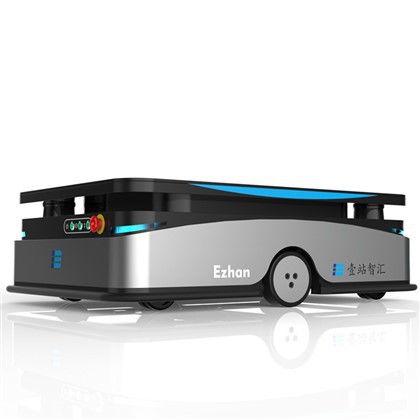
As a leading supplier of hybrid robots, we are dedicated to providing our customers with high – quality products and comprehensive support services. Our team of experts can help you choose the right hybrid robot for your application, develop a maintenance plan, and provide training for your operators.
Robot Accessories If you are considering investing in hybrid robots for your business, we encourage you to contact us for a detailed discussion. Our sales team is ready to answer your questions, provide product information, and assist you in making an informed decision. Let’s work together to find the best hybrid robot solutions for your needs.
References
- Robotics Industry Association (RIA). "Robotics Technology Handbook."
- International Federation of Robotics (IFR). "Global Robotics Report."
- Journal of Robotic Systems. Various issues on hybrid robot design and performance.
Shenzhen Ezhan Technology Co., Ltd.
We’re known as one of the most reliable hybrid robot manufacturers and suppliers in China. With abundant experience, we warmly welcome you to buy bulk customized hybrid robot from our factory. If you have any enquiry about cooperation, please feel free to email us.
Address: Room 1808, 1809, 1810, Building 2, Aipark, Baolong 4th Road, Longgang District, Shenzhen City
E-mail: sales01@ezhankeji.com
WebSite: https://www.ezhanrobot.com/
