Hey folks, let’s cut the crap—if you’ve ever wondered why your phone screen doesn’t scratch when you set it on a counter, or how your favorite sports jersey stays water-resistant after a rainstorm, you can thank specialty chemicals. I’ve been supplying these stuffs for 8 years now, and way too many people think we’re just a “chemical factory dumping toxic waste somewhere” kind of industry. Newsflash: that’s 90s PR garbage. Today, I wanna break down the real social impacts of what I do—for better and for worse—because that’s the stuff no one tells you over industry conference coffee. Specialty Chemicals
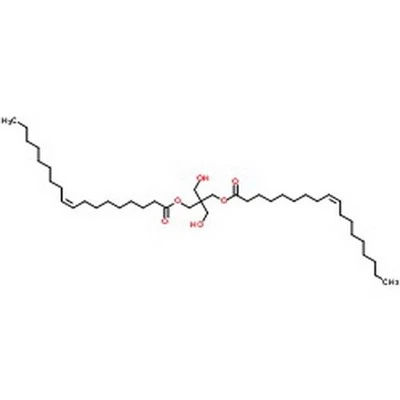
First off, let’s get one thing straight: specialty chemicals aren’t your run-of-the-mill fertilizer or gas plant chemicals. We’re the small-batch, super-specific stuff that other industries can’t make on their own. For example, last year I supplied a tiny medical device maker with a biocompatible polymer coating that keeps pacemakers from corroding inside the body. Without that coating, those devices would fail way sooner, and way more people would end up in the ER with a dead heart battery. That’s a direct social win we don’t talk about enough—we’re the unsung backbone of modern healthcare.
I see this play out every week. Another client is a renewable energy startup that makes solar panels. The anti-reflective nanocoating I supply cuts down glare so panels can absorb 12% more sunlight. Multiply that across every solar farm popping up in Texas, Germany, and India? That’s more clean energy for homes that can’t afford big utility bills, fewer coal plant emissions, and a tangible way we’re hitting climate goals without making people’s lives worse right now. A lot of people yell “chemical industry = bad for planet” but miss that we’re the ones making the stuff that makes green tech actually work.
But let’s be honest—we’ve messed up in the past, and we still do sometimes. A few decades back, some old-school chemical producers cut corners on waste disposal, dumping stuff that poisoned local rivers and made neighbors sick. I won’t sugarcoat that: that was garbage, and it hurt real people. Now? Regulations are way tighter, but that old reputation sticks like glue. I work with a local manufacturing community here, and half the small business owners nearby still side-eye my truck when it pulls up to deliver. It’s fair to hold us accountable, but we’ve come a long way.
Wait, let’s dive into the labor side, too. Most folks don’t realize that specialty chemical jobs aren’t the “unsafe factory floor” jobs you might picture. Yeah, there’s training—we don’t let new hires touch a chemical drum without 2 weeks of safety and skills training. But these are stable, middle-class jobs in places where a lot of towns have lost manufacturing work to overseas. Last time I checked, my team of 12 people here makes an average of $72k a year, including benefits—health insurance, 401k, even a $1k annual training stipend so no one gets stuck doing the same thing forever. Compare that to the retail or gig work jobs that most small towns offer now? Those chemical jobs are a lifeline. I’ve had 3 employees here that bought their first house in the last 5 years because of that wage. That’s social impact that hits close to home.
Now, the flip side: we still have blind spots. A lot of the raw materials we use come from global supply chains, and sometimes those chains have issues with labor or environmental harm. A couple years ago, we switched to a new supplier for a rare metal additive because the old one had reports of child labor in their mines. That cost us a 15% markup on that batch, but it was non-negotiable. If I cut corners there, I’m not just hurting my bottom line—I’m hurting communities that are already vulnerable. That’s part of being a specialty chemical supplier, right? We can’t just care about making a buck; we gotta care about the people behind the stuff we source.
Another thing people don’t talk about: access. For smaller industries, startups, even DIY folks? Specialty chemicals are often hard to come by, because big chemical companies only care about the huge bulk orders. That’s where we come in. Last year, a college lab was working on a new water filtration system for rural villages in Kenya. They needed a tiny amount of a activated carbon additive that only 3 suppliers in the world make. I didn’t make a huge profit off that order—just covered costs—but I got it to them in 2 weeks instead of the 6 weeks the big guys would’ve taken. Those filters ended up providing clean water to 2,000 families last year. That’s the kind of small, meaningful impact that keeps me in this business. It’s not just about selling a chemical; it’s about enabling other people to make stuff that changes lives.
But let’s not pretend it’s all good. The demand for specialty chemicals means we have to run our facilities, and that does use energy. We’re working on switching 100% of our power to solar and wind by 2027, but we’re not there yet. Last quarter, we had a small spill of a non-toxic cleaning agent that only affected a tiny patch of grass outside the plant. We fixed it immediately, notified the local county, and paid to reseed the area—no hiding it. Transparency isn’t optional here, not if we wanna keep the trust of the community. That’s a lesson we learned the hard way from old industry mistakes.
Wait, also, let’s talk about innovation. The specialty chemicals industry is all about R&D—we spend 8-10% of our revenue on new stuff, way more than most other manufacturing sectors. That R&D leads to social good that you’ll never hear about. For example, we just launched a new line of flame retardants that don’t release toxic fumes when they burn. Before that, old flame retardants would poison people in house fires when they inhaled the smoke. Early tests show this new stuff cuts that toxic release by 90%. That’s gonna save lives, plain and simple. It’s not flashy, it’s not on TikTok, but it’s the kind of thing that makes a real difference for people.
I get it—there’s a lot of skepticism around chemicals, and rightfully so. After decades of companies cutting corners and regulators dropping the ball, it’s hard to trust any industry that works with these materials. But here’s the thing: the specialty chemicals industry isn’t a monolith. There are guys like me, small operators that care more about doing right than making a quick buck, and big corps that still haven’t caught up. The social impacts are mixed, sure, but the good stuff—enabling healthcare, green energy, clean water, good jobs—outweighs the bad when we do it right.
Dyes and Pigments Now, if you’re someone in an industry that needs a specialty chemical, or if you’re a researcher working on something that needs a hard-to-source material, hit me up. I’m not the biggest supplier out there, but I’m reliable, I care about the social side of what we do, and I’ll work with you to get exactly what you need without the fluff. We can chat through your project, no sales pitch pressure—just honest talk about what’ll work for you and the people that’ll benefit from it.
References
- American Chemistry Council. (2023). Specialty Chemicals: Social and Environmental Impact Report.
- Occupational Safety and Health Administration (OSHA). (2022). Chemical Industry Job Safety and Wage Data.
- United Nations Industrial Development Organization (UNIDO). (2021). Specialty Chemicals for Sustainable Development Goals.
Dayang Chem (Hangzhou) Co., Ltd.
As one of the most professional specialty chemicals manufacturers and suppliers in China, we’re featured by quality products and good service. Please feel free to buy customized specialty chemicals made in China here from our factory. For price consultation, contact us.
Address: 9/F, Unit 2, 259# Wensan Road, Xihu District, Hangzhou Zhejiang, China
E-mail: sales@dayangchemcn.com
WebSite: https://www.dayangchem-cn.com/
