If you’ve ever stood in a commercial kitchen aisle, a restaurant supply store, or scrolling through wholesale tableware catalogs, you’ve probably stopped to squint at an oval platter and wonder: “What sizes are even standard here?” As someone who’s run an oval platter supply business for 12 years—talking line cooks, caterers, banquet managers, and home chefs through every order, one thing sticks out: size is never one-size-fits-all. It’s not just about “big” or “small”; it’s about matching the platter to the meal, the table space, and the plate presentation you’re aiming for. I’ve seen a 9-inch oval platter cram too many sliders for a 10-person happy hour, and a 22-inch version leave a centerpiece table looking half-empty at a wedding. Today, I’m breaking down the actual sizes oval platters come in, why they matter, and how to pick the right one for your needs—from a supplier who’s seen every possible mix-up. Oval Platters
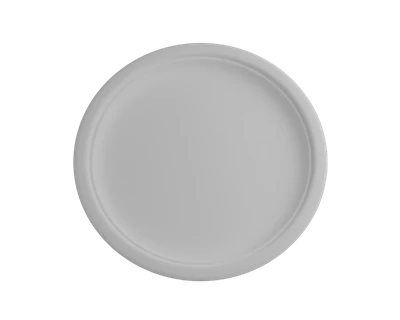
First, let’s ground this: oval platter sizing isn’t random. Most suppliers, including my business, follow standard measurements that evolved from commercial foodservice needs before trickling into home use. Unlike round plates, where diameter is straightforward, oval platters are measured by their longest two points: the length (from the top edge to bottom edge, where the curve is widest) and width (left to right, the narrow curve across). That’s a detail that trips up so many first-time buyers. I once had a new caterer order 18-inch “long” platters only to return them a week later because they’d mistakenly expected 18 inches across the narrow side—turns out, they’d tried to use them for whole salmon, which needs length to fit head to tail. That mistake cost them an extra delivery fee, and cost me an hour on the phone walking them through how we label sizes. It’s a tiny detail, but it’s make-or-break for almost every use case.
Now, let’s go through the size categories, ordered from smallest to most common, with real-world use cases I’ve seen in my years of supplying. The smallest standard oval platters start at 6 inches long—often called “bite-sized” or “appetizer platters.” These are tiny, designed for single servings of stuffed mushrooms, deviled eggs, or a handful of bruschetta. Most people don’t think of oval platters as “tiny,” but this size is perfect for cocktail parties where you don’t want a clunky dish next to your cocktail napkin and glass. I supply these to a lot of boutique cafes that do small tapas plates; they fit exactly on a small bistro table’s side ledge without taking over. The next step up is 8 to 10 inches long—still a compact size, but big enough for a small side dish: a portion of roasted veggies, a sliders pair, or a small charcuterie spread for two. I see home cooks buy these for weeknight dinners, especially when they’re plating for family style instead of individual plates. A lot of my restaurant clients use these for sides too, not just mains; they’re easy to pass around a table without being too heavy.
The most popular mid-range sizes, by far, are 12, 14, and 16 inches long. This is where 90% of my bulk orders land—between cafes, caterers, and mid-sized restaurants. Let’s break each down. The 12-inch oval platter is the workhorse for casual spots: it holds a full pound of pasta, a whole rotisserie chicken cut into portions, or a charcuterie spread for 4 people. It’s not so big that it dominates a 36-inch banquet table, but it’s large enough to look intentional, not like a last-minute plate. I have a regular client who runs a neighborhood burger joint; they use 12-inch platters for their signature double burger meals with fries, and they tell me customers love that it’s easy to hold while eating, instead of a wide round plate that feels awkward. The 14-inch is the go-to for mains for 4 to 6 people, or appetizers for a small party. This size is the standard for whole small to medium proteins: a bone-in chicken breast, a rack of ribs, or a side of salmon fillets. I supply these to a lot of wedding rehearsal dinners, where they use one 14-inch platter per table of 6 for family-style mains—big enough to feed everyone without needing multiple platters. The 16-inch is the heavy hitter for small groups or appetizer spreads for 8. It can hold a full whole roasted chicken, a 2-pound cut of brisket, or a large charcuterie spread with multiple cheeses, cured meats, and accompaniments. I had a food truck client who switched from 14 to 16-inch platters last year because they started doing weekend BBQ pop-ups; the extra 2 inches let them fit a full rack of ribs plus a side of coleslaw without stacking dishes.
Then there are the larger, extra-large oval platters, which start at 18 inches and go up to 24 inches, with some custom options even bigger than that. These are the platters you see at grand events: wedding buffets, holiday banquets, corporate galas. Let’s talk about the 18-inch first—it’s the sweet spot for whole seafood: a 2-pound salmon, a whole small tilapia, or a tray of 12 to 15 oysters. A lot of high-end seafood restaurants use 18-inch platters for their whole salmon specials, because it’s long enough to show off the fish’s shape without looking cramped. The 20 and 22-inch sizes are for large groups: mains for 10 to 12 people, or centerpiece spreads for a long banquet table. I supplied 22-inch platters for a 200-person corporate holiday party last year; they used 4 of them for ham, turkey, and sides, and the planners told me they saved time because they only had to bring out a few large platters instead of a dozen smaller ones. The largest standard size is 24 inches, which is rare but makes sense for events where you want a statement piece. It can hold a whole roast pig (for smaller gatherings, of course), a giant charcuterie board for 20, or a display of desserts like macarons and mini cakes. I only get a handful of orders for 24-inch platters a year, but they’re almost always for big weddings or food festivals where presentation is key.
Wait, a common question I get is: do different materials change the size? The short answer is no—size refers to length and width, regardless of if the platter is ceramic, melamine, stainless steel, or even wood. But the material does affect how usable a size is. For example, melamine platters are lightweight, so a 20-inch melamine platter is easier for line cooks to pass around a busy dining room than a heavy ceramic one. Stainless steel oval platters are often used in commercial kitchens because they’re durable, and their sizes align with standard commercial oven pans too—so a 16-inch stainless platter will fit in a standard restaurant convection oven, which is a big deal for catering teams who want to cook and serve on the same dish. Ceramic platters, on the other hand, are heavier, so most home chefs stick to smaller sizes (10 inches or under) for ease of carrying, while restaurants might use mid-range ceramic for presentation because they look nicer than melamine.
Another thing that surprises first-time buyers: there are “classic” oval platter sizes and “modern” variations. A lot of new restaurants and home cooks are opting for slightly wider-than-standard platters, or even asymmetrical ones, but the core sizes I talked about earlier still apply. I noticed this trend around 2020, when a lot of small cafes started doing aesthetic, Instagram-friendly spreads—they’d order 14-inch platters that are 1 inch wider than the classic version, so they could add more garnishes without crowding the main dish. But even with that, 90% of the orders I get for these custom sizes are tweaks to the standard length, not brand new measurements. The basics still hold.
Now, let’s talk about how to pick the right size for your specific use, because I’ve had so many customers order the wrong size and waste time and money. First, ask yourself: what are you serving, and how many people are eating? If you’re serving a main for 2 people, a 12-inch platter is perfect; if it’s for 8, a 18-inch is better. Second, measure your space: if you’re placing platters on a 30-inch dining table, a 20-inch platter will take up two-thirds of the table, leaving no room for plates and glasses—so you’ll want a 16-inch instead. Third, think about handling: if you’re a home chef serving your family, a 16-inch ceramic platter is heavy, so you might prefer a melamine version in a smaller size. If you’re a caterer passing platters across a busy room, lightweight materials are key, so stick to mid-sized platters, not extra-large ones. I always tell new customers to order one sample size first before bulk ordering—save the hassle of returns, because even with all the talking I do, it’s easy to misjudge.
Over the years, I’ve also seen shifts in size demand. When pandemic meal kit services boomed, a lot of home cooks bought smaller oval platters for meal prep and weeknight dinners—so my 10-inch size sales went up 30% in 2021. More recently, as wedding size shifted from 200 people to smaller 50-person events, 16 and 18-inch platters are the most popular, instead of the 22-inch ones I used to supply. That’s a reminder that size needs change with trends, but the core measurements stay consistent.
At the end of the day, an oval platter is more than just a dish—it’s a tool. A too-small platter makes your food look messy, and a too-big one makes your table feel uninviting. As someone who’s supplied these platters for over a decade, I’ve learned that the best size is the one that fits your meal, your space, and your people. If you’re a restaurant owner restocking your kitchen, a caterer prepping for an event, or a home chef looking to upgrade your tableware, don’t guess on size—reach out to our team to talk through your needs. We can help you pick the right length, material, and quantity, no more mix-ups or returns.
Now, if you’ve got questions about size, material, or bulk pricing, don’t hesitate to get in touch to discuss your requirements. We’re here to make sure your platters fit exactly what you need, no compromises.
Food Bowls References
- National Restaurant Association. (2022). Commercial Tableware Standard Dimensions: A Guide for Foodservice Operators.
- Tableware Industry Association. (2021). Global Trends in Oval Platter Sizing for Residential and Commercial Use.
- Culinary Institute of America. (2020). Plating and Presentation Essentials for Professional Chefs.
- Wholesale Tableware Association. (2023). Size Specifications for Standard Oval Serving Dishes.
- Home Kitchen Goods Association. (2022). Consumer Trends in Residential Serving Platter Purchases.
Bio Earth Technology Co., Ltd.
As one of the most professional oval platters manufacturers and suppliers, we also support customized service. Please feel free to buy bulk high quality oval platters for sale here from our factory. For quotation and free sample, contact us now.
Address: No. 8-3, Baixi, 2nd Neighborhood, Tongxiao Township, Miaoli County 357001, Taiwan (R.O.C.)
E-mail: Services@bioearthtech.com
WebSite: https://www.bioearthtech.com/
