Alright, folks! As a supplier of Automotive TPA (Terminal Position Assurance) or ISL (In-Line) Connectors, I’ve got a lot of insights to share about the quality differences between domestic and imported connectors in this niche. Let’s dig right in. Automotive TPA Or ISL Connector
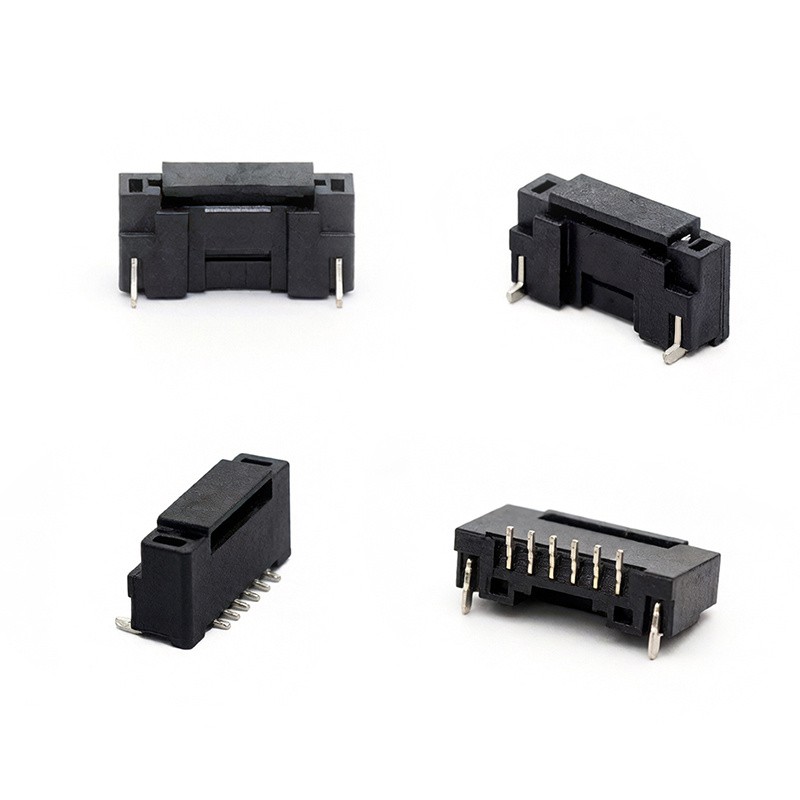
First off, we gotta understand what Automotive TPA or ISL Connectors are all about. These connectors are like the unsung heroes in a vehicle’s electrical system. They play a crucial role in making sure the electrical connections are secure and reliable. A proper connection means that all the electrical parts in a car, from the lights to the engine control unit, work as they should. Any issues with these connectors can lead to a whole bunch of problems, like electrical malfunctions, short – circuits, and even component failures.
Now, let’s start talking about the quality differences between domestic and imported connectors.
Material Quality
One of the most significant differences lies in the materials used. Imported connectors often source materials from well – established suppliers around the world. They might use high – grade copper for the conductive parts. High – grade copper has excellent electrical conductivity, which means less power loss during transmission. It also has better corrosion resistance, so the connectors can last longer, even in harsh environments.
On the other hand, domestic connectors can vary a lot in terms of the materials they use. Some domestic manufacturers use good – quality copper, but others might cut corners and use lower – grade alloys. These alloys might not have the same level of conductivity, and they’re more prone to corrosion. For example, in salty coastal areas or in regions with high humidity, lower – grade connectors can start to show signs of rust and degradation sooner.
Another aspect of material quality is the insulation. Imported connectors often use high – performance plastics that are resistant to heat, chemicals, and mechanical stress. These plastics can withstand the high temperatures under the hood of a car without melting or deforming. Domestic connectors may use more common plastics, which might not be as robust. If the insulation gets damaged, it can lead to short – circuits and pose a safety risk.
Manufacturing Precision
Imported connectors generally have a reputation for higher manufacturing precision. Big manufacturers in countries known for their advanced manufacturing technologies use state – of – the – art equipment and strict quality control processes. When it comes to the size and shape of the connectors, they can achieve very tight tolerances. This means that the connectors fit perfectly with other electrical components in the vehicle, reducing the chances of loose connections.
Domestic manufacturers, especially some smaller ones, might not have the same level of precision. The connectors might be a bit off in terms of size, which can cause problems during installation. A slightly larger or smaller connector might not seat properly, leading to intermittent electrical connections. And you know what? Intermittent connections can be a real pain to diagnose and fix.
Testing and Certification
Imported connectors usually go through a rigorous testing process and have various international certifications. They’re tested for things like electrical performance, temperature resistance, vibration resistance, and waterproofing. Certifications like ISO, UL, and VDE are like badges of honor that show the connectors meet high – quality standards.
Domestic connectors also have their own set of certifications, but the testing might not be as comprehensive in some cases. Some domestic manufacturers might focus more on meeting basic national standards rather than going the extra mile to get international certifications. This doesn’t mean that all domestic connectors are of low quality, but it does show a difference in the level of scrutiny and quality assurance.
Cost – Quality Balance
Now, cost is always a big factor. Imported connectors are often more expensive. The high cost is due to several factors, such as the high – quality materials, advanced manufacturing processes, and the cost of international shipping and import duties. But you’re paying for that extra level of quality and reliability.
Domestic connectors, on the other hand, are generally more affordable. They can be a great option for budget – conscious customers, especially if the application doesn’t require the highest level of performance. For example, in some non – critical electrical systems in a vehicle, like the interior lighting or the radio, a domestic connector might work just fine.
Customer Support and After – sales Service
Imported connector suppliers usually have a more established global customer support network. If you have a problem with an imported connector, you can often get in touch with their technical support team easily. They can provide technical advice, troubleshooting tips, and replacement parts in a timely manner.
Domestic suppliers are also improving their customer support and after – sales service. However, in some cases, the response time might be slower, especially if you’re dealing with a small – scale domestic manufacturer. And they might not have the same level of technical expertise as the big international players.
So, which one should you choose? Well, it really depends on your specific needs. If you’re working on high – end vehicles or critical electrical systems where reliability is non – negotiable, imported connectors might be the way to go. But if you’re looking for a cost – effective solution for less critical applications, domestic connectors can be a great option.

As a supplier of Automotive TPA or ISL Connectors, I’ve seen both sides of the coin. I’ve got a range of connectors, both domestic and imported, to meet different customer demands. Whether you need the top – of – the – line imported connectors for a luxury car or an affordable domestic option for a standard vehicle, I’ve got you covered.
Header Connector If you’re in the market for Automotive TPA or ISL Connectors, I’d love to have a chat with you. Whether you have questions about the quality differences, need help choosing the right connector for your application, or want to discuss pricing and availability, don’t hesitate to reach out. We can have a proper discussion to figure out the best solution for you.
References
- Automotive Electrical Systems Handbook
- International Standards for Connector Manufacturing
- Market Research Reports on Automotive Connectors
Wenzhou JKUN Connector Co., Ltd.
As one of the most professional automotive tpa or isl connector manufacturers and suppliers in China, we’re featured by quality products and low price. Please rest assured to wholesale bulk customized automotive tpa or isl connector from our factory. For quotation and free sample, contact us now.
Address: No.2667, Ningkang East Road, Yueqing City, Zhejiang Province, China
E-mail: sales@cnjkun.com
WebSite: https://www.jkunjcj.com/
