Hey there! I’m a supplier of plastic cleaning equipment, and today I wanna chat about something super important – how the cleaning speed of different plastic cleaning equipment models stacks up against each other. Plastic Cleaning Equipment
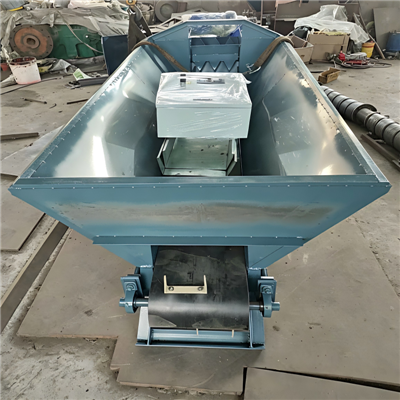
Understanding the Basics of Cleaning Speed
When it comes to plastic cleaning equipment, cleaning speed is a big deal. It’s not just about getting the job done quickly; it’s also about efficiency and cost – effectiveness. A faster – cleaning machine can handle more plastic waste in less time, which means more productivity for your business.
The cleaning speed of plastic cleaning equipment is usually measured by the amount of plastic it can clean per hour. For example, some smaller, entry – level models might be able to clean 50 – 100 kilograms of plastic per hour. On the other hand, high – end industrial models can go up and beyond, cleaning over 1000 kilograms of plastic in the same time frame.
Factors Affecting Cleaning Speed
There are several factors that can affect how fast a plastic cleaning machine can work.
1. Machine Design
The design of the equipment plays a crucial role. Machines with a well – thought – out design can move plastic through the cleaning process more smoothly. For instance, some models have a continuous – flow design, which allows plastic to enter the cleaning chamber, get cleaned, and then exit without any major interruptions. This keeps the cleaning process going non – stop, boosting the overall speed.
In contrast, some older or poorly designed models might have a batch – processing system. In a batch – processing setup, the machine has to fill up with plastic, clean it, and then empty out before starting the next batch. This takes time and can significantly slow down the cleaning process.
2. Cleaning Technology
The type of cleaning technology used in the equipment also matters. Ultrasonic cleaning, for example, uses high – frequency sound waves to create tiny bubbles in a cleaning solution. These bubbles implode near the surface of the plastic, removing dirt and contaminants. Ultrasonic cleaning can be incredibly fast, especially for small – to medium – sized plastic parts.
Another common technology is mechanical scrubbing. This involves using brushes or other mechanical components to physically scrub the plastic. While it can be effective, it might be slower compared to ultrasonic cleaning, especially when dealing with a large volume of plastic.
3. Power and Capacity
The power of the machine’s motor and its overall capacity are important too. A more powerful motor can drive the cleaning mechanisms more efficiently, allowing the machine to work faster. For example, a high – power motor can spin the brushes or pumps in a mechanical – scrubbing machine at a higher speed, increasing the cleaning rate.
The capacity of the machine refers to how much plastic it can hold and clean at once. A larger – capacity machine can clean more plastic in each cycle, which can lead to a higher overall cleaning speed. However, it’s important to note that a large – capacity machine also needs to be powerful enough to handle the load effectively.
Comparing Different Models
Let’s take a look at how some different models compare in terms of cleaning speed.
Entry – Level Models
These are usually smaller, more affordable machines that are great for small – scale operations or businesses just starting out. They typically have a lower cleaning speed, usually in the range of 50 – 100 kilograms of plastic per hour. They often use simple mechanical scrubbing technology and have a batch – processing design.
For example, the Model A in our product line is an entry – level machine. It’s easy to operate and maintain, but its cleaning speed is limited due to its smaller size and basic technology. It’s a good option if you have a limited amount of plastic to clean or if you’re on a tight budget.
Mid – Range Models
Mid – range models offer a balance between cost and performance. They usually have a cleaning speed of around 200 – 500 kilograms of plastic per hour. These models often use a combination of mechanical and chemical cleaning methods.
Our Model B is a mid – range machine. It has a continuous – flow design, which allows for a faster cleaning process compared to some entry – level models. It also has a more powerful motor, enabling it to clean plastic more efficiently. This model is suitable for medium – sized businesses that need to clean a moderate amount of plastic on a regular basis.
High – End Industrial Models
High – end industrial models are the heavyweights of the plastic cleaning world. They can clean anywhere from 1000 kilograms to several thousand kilograms of plastic per hour. These machines use advanced cleaning technologies, such as ultrasonic cleaning combined with high – pressure water jets.
Our Model C is an industrial – grade machine. It’s designed for large – scale plastic recycling plants and manufacturing facilities. With its high – power motors, large – capacity cleaning chambers, and state – of – the – art cleaning technology, it can handle massive amounts of plastic in a short period of time.
Real – World Applications and Considerations
When choosing a plastic cleaning equipment model based on cleaning speed, it’s important to consider your specific needs. If you’re a small – scale artisanal plastic recycler, an entry – level machine might be sufficient. You don’t need a high – speed machine if you’re only cleaning a small amount of plastic each day.
On the other hand, if you’re a large – scale plastic manufacturer or a major recycling facility, a high – end industrial model is a must. Slow – cleaning equipment could bottleneck your production process and lead to lost profits.
Also, keep in mind that cleaning speed isn’t the only factor to consider. You also need to think about the quality of the cleaning, the cost of the machine, and its maintenance requirements. A machine that cleans quickly but leaves a lot of dirt on the plastic isn’t very useful.
Conclusion and Call to Action

So, as you can see, the cleaning speed of plastic cleaning equipment varies greatly between models. Whether you’re looking for a simple, affordable machine for a small operation or a high – performance industrial model, there’s an option out there for you.
Plastic Cleaning Equipment If you’re interested in learning more about our plastic cleaning equipment or want to discuss which model would be best for your business, don’t hesitate to reach out. We can provide you with detailed information, product demos, and competitive quotes. Let’s work together to find the perfect solution for your plastic cleaning needs.
References
- "Plastic Recycling Technology Handbook" – A comprehensive guide on plastic recycling and related equipment.
- Industry reports on plastic cleaning equipment performance from leading market research firms.
Laizhou Yuening Machinery Co., Ltd.
As one of the most reliable plastic cleaning equipment manufacturers in China, we warmly welcome you to buy cheap plastic cleaning equipment made in China here from our factory. All customized machines are with high quality and low price. For pricelist, contact us now.
Address: Yuanjia Village, Luwang, Shahe Town, Laizhou City, Yantai City, Shandong Province
E-mail: yueningjixie@163.com
WebSite: https://www.ynplasticmachinery.com/
