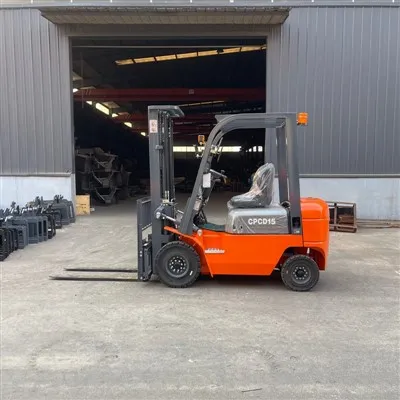
When operating a forklift, especially a diesel – powered one, choosing the right type of diesel fuel is critical. As a diesel forklift supplier, I’ve encountered numerous customers who are uncertain about the best fuel options for their forklifts. In this blog, I’ll delve into the various types of diesel fuels, their characteristics, and what makes them suitable or unsuitable for forklifts. Diesel Forklift
Understanding Diesel Fuel Basics
Diesel fuels are hydrocarbon – based fuels made from distilling crude oil. The fundamental difference between petrol and diesel engines lies in the combustion process. Petrol engines use spark plugs to ignite a pre – mixed fuel – air mixture, while diesel engines rely on the heat generated from compressing air to ignite the injected fuel. For forklifts, diesel engines are popular due to their high torque, durability, and suitability for heavy – duty applications.
Different Types of Diesel Fuels
1. Ultra – Low Sulfur Diesel (ULSD)
ULSD is the most common type of diesel fuel available today, at least in regions with strict environmental regulations. It contains a maximum of 15 parts per million (ppm) of sulfur, a significant reduction from the high – sulfur diesel fuels of the past, which could have sulfur content up to 5,000 ppm.
The low sulfur content in ULSD offers several advantages for forklifts. Firstly, it reduces harmful emissions such as sulfur dioxide (SO₂), particulate matter (PM), and nitrogen oxides (NOₓ). This is not only better for the environment but also helps forklift operators comply with air quality regulations, especially in indoor or enclosed spaces where ventilation might be an issue.
Secondly, ULSD is more compatible with modern emission control systems, such as diesel particulate filters (DPFs) and selective catalytic reduction (SCR) systems. These systems are often installed on newer forklift models to reduce emissions further. High – sulfur fuels can damage these emission – control components over time, leading to costly repairs and reduced efficiency.
However, the low sulfur content also means that ULSD has less natural lubricity compared to high – sulfur diesel. This can cause increased wear and tear on the fuel injection system components, such as fuel pumps and injectors. To counter this, most ULSD fuels are now treated with lubricity additives to ensure proper functioning of the engine’s fuel system.
2. Biodiesel
Biodiesel is a renewable alternative to petroleum – based diesel fuel. It is made from vegetable oils, animal fats, or recycled cooking grease. Biodiesel is typically blended with ULSD, and common blends include B5 (5% biodiesel and 95% ULSD), B10, and B20.
One of the main advantages of biodiesel for forklift use is its environmental friendliness. It has a lower carbon footprint compared to petroleum diesel, as the feedstocks used to produce biodiesel absorb carbon dioxide during their growth phase. This makes it an attractive option for companies looking to reduce their greenhouse gas emissions and promote sustainable practices.
Biodiesel also has good lubricity, which can help protect the fuel injection system from wear. It can improve the cetane number of the fuel blend, which is a measure of the fuel’s ignition quality. A higher cetane number means the fuel ignites more easily and burns more efficiently, leading to better engine performance and reduced emissions.
However, biodiesel also has some drawbacks. It has a lower energy density than petroleum diesel, which means forklifts may experience a slight reduction in fuel efficiency when using higher – percentage biodiesel blends. Biodiesel is also more prone to oxidation and microbial growth, especially in warm and humid conditions. This can lead to the formation of gums and sediments in the fuel tank and fuel lines, which can clog filters and cause engine problems.
3. Synthetic Diesel
Synthetic diesel, also known as Fischer – Tropsch diesel, is produced through a chemical process that converts natural gas, coal, or biomass into a liquid fuel. Synthetic diesel has a very high cetane number, typically above 70, compared to around 40 – 55 for conventional diesel fuels.
The high cetane number of synthetic diesel results in a cleaner and more efficient combustion process. Forklifts using synthetic diesel can experience smoother engine operation, reduced noise, and lower emissions of pollutants such as PM, NOₓ, and hydrocarbons. Synthetic diesel also has a low sulfur content and is free from many of the impurities found in petroleum diesel, which can extend the life of the engine’s fuel system components.
However, synthetic diesel is currently more expensive to produce than conventional diesel fuels. This higher cost is often passed on to the consumer, making it a less cost – effective option for many forklift operators, especially in high – volume applications.
Factors to Consider When Choosing Diesel Fuel for Forklifts
1. Engine Compatibility
Not all forklift engines are designed to run on all types of diesel fuels. Older forklift models may not be compatible with high – percentage biodiesel blends or synthetic diesel. It is essential to consult the forklift manufacturer’s specifications and recommendations before using a different type of diesel fuel. Using an incompatible fuel can void the engine warranty and cause serious damage to the engine.
2. Operating Environment
The operating environment of the forklift plays a significant role in fuel selection. If the forklift is primarily used indoors, such as in a warehouse or a distribution center, a low – emission fuel like ULSD or a low – percentage biodiesel blend is recommended. These fuels produce fewer pollutants, which helps maintain good air quality in the workplace.
On the other hand, if the forklift is used in outdoor applications where emissions are less of a concern, the operator may have more flexibility in choosing a fuel based on cost and performance. For example, in some areas where synthetic diesel is readily available and the cost is competitive, it can be a good option for heavy – duty outdoor forklift operations.
3. Cost
Cost is always a crucial factor for businesses. ULSD is generally the most cost – effective option due to its widespread availability and relatively low production cost. Biodiesel blends can vary in cost depending on the feedstock used and the blend percentage. In some regions, government incentives or subsidies may make biodiesel more affordable. Synthetic diesel, as mentioned earlier, is currently more expensive than conventional diesel fuels, but its cost may become more competitive in the future as production technologies improve.
4. Fuel Availability
The availability of different types of diesel fuels can vary depending on the location. In some areas, ULSD is the only type of diesel fuel readily available at fuel stations. In other regions, biodiesel blends or even synthetic diesel may be more commonly found. It is important to ensure that the chosen fuel is easily accessible to avoid disruptions in forklift operations.
Conclusion
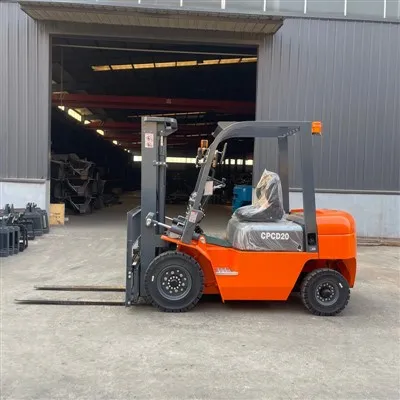
Choosing the right type of diesel fuel for a forklift is a complex decision that depends on several factors, including engine compatibility, operating environment, cost, and fuel availability. As a diesel forklift supplier, I always recommend that customers consult with their forklift manufacturer and fuel suppliers to make an informed decision.
In most cases, ULSD is a reliable and widely – used option for forklifts, especially when considering environmental regulations and compatibility with modern emission control systems. Biodiesel blends can offer environmental benefits and good lubricity, but they require careful management to prevent issues such as oxidation and microbial growth. Synthetic diesel provides excellent performance and emissions reduction but may be cost – prohibitive for some operators.
Lawn Mower If you’re in the market for a diesel forklift or need advice on the best fuel options for your existing fleet, I encourage you to reach out to us. Our team of experts is ready to assist you in making the right choices for your business. Contact us to start a discussion about your forklift needs and fuel requirements.
References
- "Diesel Fuel Basics", American Petroleum Institute
- "Biodiesel Handling and Use Guide", National Biodiesel Board
- "Synthetic Diesel: A Cleaner Alternative", International Energy Agency
Jining Sunsail Machinery Co., Ltd.
With abundant experience, we are one of the most professional diesel forklift manufacturers and suppliers in China. We warmly welcome you to buy high-grade diesel forklift made in China here from our factory. For price consultation, contact us.
Address: Room 410, Digital Industry Building, Rencheng District, Jining City, Shandong Province,China
E-mail: Sunsail_machinery@163.com
WebSite: https://www.sunsailmachine.com/
