As a spiral spring supplier, I’ve witnessed firsthand the importance of recycling in our industry. Spiral springs are ubiquitous, used in various applications from automotive engines to household appliances. Recycling these components not only conserves precious resources but also reduces the environmental footprint associated with spring production. In this blog post, I’ll share practical steps on how to recycle a spiral spring, drawing from my experience and industry knowledge. Spiral Spring
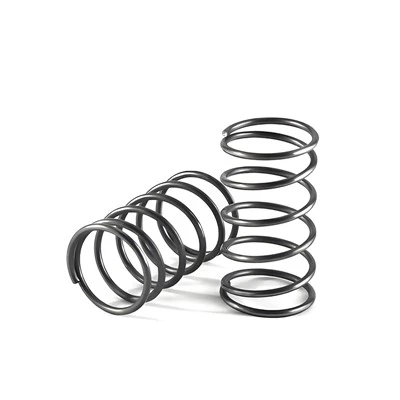
Understanding Spiral Springs
Before delving into the recycling process, it’s essential to understand what spiral springs are. Spiral springs, also known as torsion springs, are mechanical devices designed to store and release energy. They are typically made from high – carbon steel, stainless steel, or phosphor bronze, each selected for its specific properties such as strength, corrosion resistance, and elasticity.
The materials used in spiral springs are valuable resources. For example, high – carbon steel is strong and durable, making it ideal for heavy – duty applications. Stainless steel is resistant to rust and corrosion, which is crucial in environments exposed to moisture. Phosphor bronze offers excellent electrical conductivity and is often used in electrical components.
Initial Assessment
The first step in recycling a spiral spring is to assess its condition. Examine the spring closely for signs of damage, such as cracks, breaks, or excessive wear. If the spring is only slightly damaged, it might be possible to refurbish it instead of fully recycling it. Refurbishing can involve processes like straightening, heat – treating, and re – coating, which can extend the spring’s lifespan and reduce waste.
Identify the type of material the spring is made of. This can be done through simple tests or by referring to product documentation if available. For instance, a magnet can be used to quickly determine if the spring is made of ferrous (magnetic) or non – ferrous (non – magnetic) metal. Knowing the material is crucial because different materials require different recycling methods.
Cleaning and Preparation
Once the spring has been assessed, the next step is cleaning. Springs can accumulate dirt, oil, and other contaminants during their use. Cleaning these contaminants is not only important for safety but also ensures better quality recycling.
A simple cleaning method is to soak the spring in a mild detergent solution. After soaking, use a brush to gently scrub the surface to remove stubborn dirt. Rinse the spring thoroughly with water and dry it completely. This process helps prevent the introduction of unwanted substances into the recycling stream.
If the spring has any non – metallic components attached, such as rubber or plastic parts, these need to be removed. Non – metallic components can interfere with the recycling process and may reduce the quality of the recycled material. Use appropriate tools like pliers or a knife to carefully separate these parts from the spring.
Recycling Methods
Ferrous Springs (Steel Springs)
Most spiral springs are made of steel, which is a ferrous metal. Recycling ferrous springs typically involves melting them down in a large furnace. The cleaned springs are fed into the furnace, where they are heated to extremely high temperatures until they turn into molten metal.
Once the springs are melted, the molten steel is refined to remove impurities. This can involve processes such as adding chemicals to react with unwanted elements, and using techniques like slag removal. The refined molten steel can then be cast into new shapes, such as bars or coils, which can be used to manufacture new springs or other steel products.
Non – Ferrous Springs (Stainless Steel, Phosphor Bronze)
Non – ferrous springs require a different recycling approach. Stainless steel springs, for example, are often recycled through a process called electric arc furnace (EAF) recycling. In an EAF, the springs are placed in a large furnace and heated by an electric arc. The high – temperature arc melts the stainless steel, and the molten metal is then refined to remove impurities.
Phosphor bronze springs are recycled by first melting them in a specialized furnace. After melting, the alloy is analyzed, and additional elements may be added to adjust its chemical composition. The refined phosphor bronze can then be used to make new springs or other bronze – based products.
Working with Recycling Facilities
Finding a reliable recycling facility is crucial for successful spring recycling. Look for facilities that are certified and have experience in recycling metal springs. Many recycling facilities offer collection services, which can be convenient if you have a large number of springs to recycle.
Before sending your springs to a recycling facility, make sure to communicate the type and quantity of springs you have. This allows the facility to prepare the appropriate equipment and processes for recycling. Some facilities may also offer payment for recycled metals, depending on the market value of the materials.
Benefits of Recycling Spiral Springs
Recycling spiral springs offers numerous environmental and economic benefits. From an environmental perspective, recycling reduces the need for mining new raw materials, which can have a significant impact on the environment. Mining operations often involve deforestation, soil erosion, and water pollution. By recycling, we conserve natural resources and reduce the energy required to produce new springs.
Economically, recycling can be cost – effective. The cost of producing new springs from recycled materials is often lower than using virgin materials. Additionally, recycling can create jobs in the recycling and manufacturing sectors, contributing to the local and global economy.
Promoting Circular Economy
As a spiral spring supplier, I am committed to promoting the circular economy. A circular economy aims to minimize waste and maximize the use of resources by keeping products and materials in use for as long as possible. By encouraging our customers to recycle their used springs, we contribute to a more sustainable future.
We provide information to our customers about the recycling process and offer incentives for them to return used springs. For example, we may offer discounts on new springs for customers who recycle a certain quantity of their old ones. This not only helps to reduce waste but also strengthens the relationship between our company and our customers.
Encouraging Contact for Purchase and Recycling
At our company, we understand the importance of quality spiral springs in your business operations. Whether you are looking for new springs for your products or need guidance on recycling your old ones, we are here to help.
Our expertise in the spiral spring industry allows us to provide you with the best solutions for your needs. We offer a wide range of spiral springs made from different materials and customized to your specifications. Our products are known for their high quality, reliability, and durability.

If you are interested in purchasing our spiral springs, or if you have questions about our recycling initiatives, please do not hesitate to contact us. We would be delighted to discuss your requirements and explore how we can work together to achieve your goals while also contributing to a more sustainable world.
References
Special Spring Davis, J. R. (1996). The ASM Handbook. ASM International.
Kutz, M. (2012). Mechanical Engineers’ Handbook. John Wiley & Sons.
Metals Processing Institute. (2019). Recycling Guidelines for Metal Components.
Shengzhou Deyuxiang Hardware Accessories Co., Ltd.
We are one of the most professional spiral spring manufacturers and suppliers in China, also support customized service. With abundant experience, we warmly welcome you to buy high quality spiral spring made in China here and get pricelist from our factory. For price consultation, contact us.
Address: No. 38, Caosheng Road, Caoqiao Street, Pinghu City, Jiaxing City, Zhejiang Province
E-mail: 877286126@qq.com
WebSite: https://www.dyx-spring.com/
