If you’ve ever shopped around for dust control gear for your workshop, manufacturing line, or even a woodworking garage, you’ve probably typed in “dust collector” or “dust collection fan” at some point. It’s not surprising—both are core parts of keeping air clean and workspaces safe, but mix the two up, and you might end up with gear that doesn’t work for your needs. I’ve been a dust collection fan supplier for years, and I can’t tell you how many times I’ve heard someone say, “I just bought a 2-horsepower dust collector and my shop is still full of sawdust.” Most of the time? They mixed up what each piece does. Let’s break this down plain and simple, no jargon, and clear up the difference once and for all. Dust Collection Fans
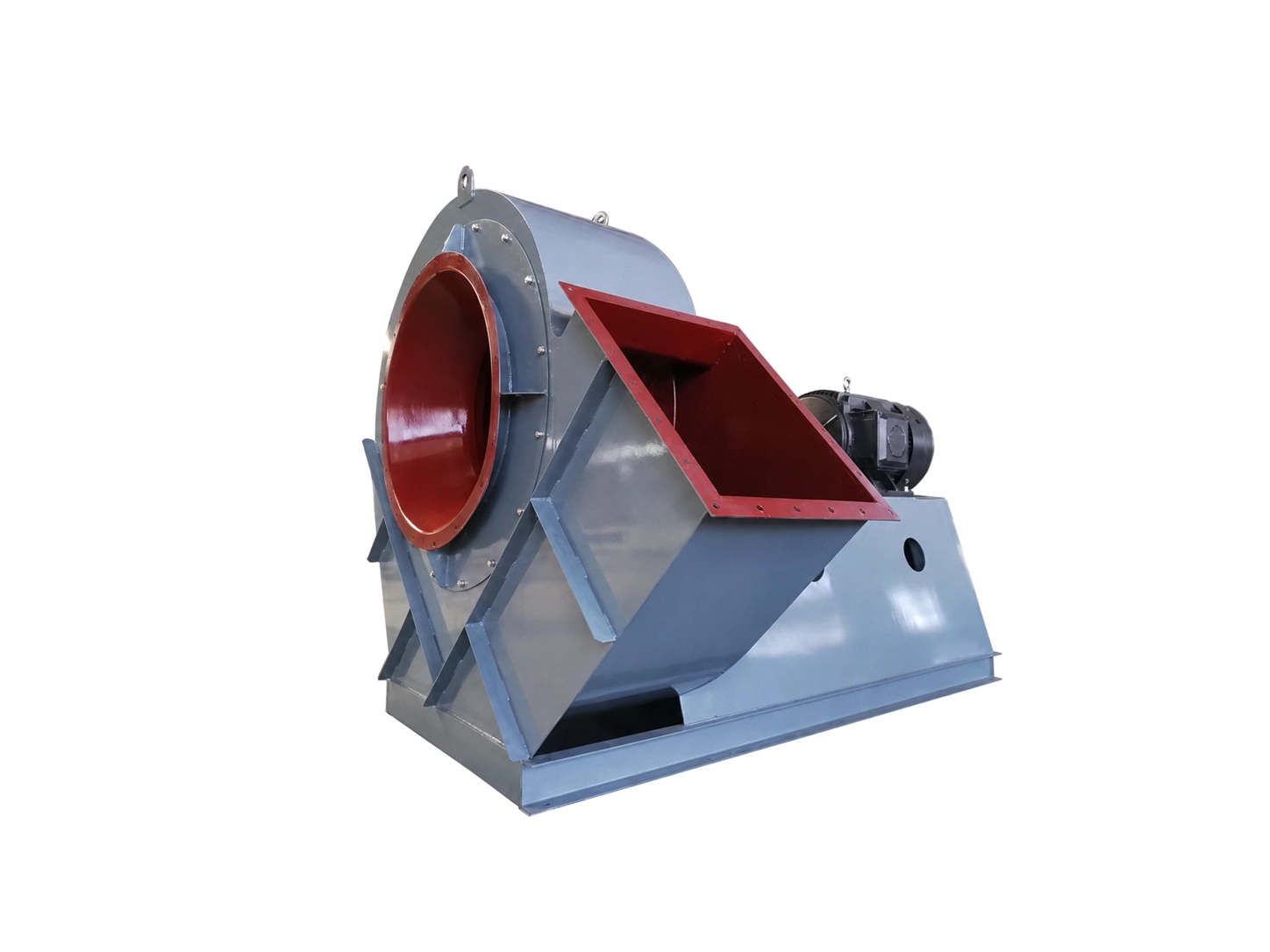
First, let’s get the most basic definition out of the way: a dust collection fan is just that— a fan. It’s the motor-powered blade unit that moves air through your dust collection system. Think of it like the fan on your living room AC, but built for heavy-duty, high-volume airflow, not circulating cool air. A dust collector? That’s the whole package: it’s the fan plus all the parts that actually catch and store the dust, like a bag, a cartridge filter, a cyclone separator, or a bin. So in short? The fan is the muscle that pulls the air; the collector is the full team that gets the dust out of the air and keeps it from blowing back into your space. But there’s way more to it than that, and the difference matters a lot for how your system works.
Let’s start with what a dust collection fan does, because it’s the unsung hero of any dust control setup. Fans for dust collection are specifically built for two key things: airflow volume (called CFM, or cubic feet per minute) and static pressure (often just called “static pressure” for short, sometimes referred to as SP). Regular fans, like the ones you use to cool your desk, are designed to move a lot of air quickly through open space, but they don’t deal well with resistance. If you’ve ever tried to blow air through a long, narrow tube, that’s resistance— and dust collection systems are full of it. A 10-foot duct run has more resistance than a 2-foot one; a duct with 90-degree turns or multiple branch lines has even more. That’s where dust collection fans shine. They’re built to push air through that tight, twisty ductwork without slowing down too much.
What does that mean for your use case? If you’re running a small woodworking shop with just a table saw and a jointer, you might only need a fan that puts out 400 CFM with 2 inches of static pressure. But if you have a big cabinet shop with 10 tools connected to a single duct run, you need a fan that can put out 1,200 CFM with 6 or 7 inches of static pressure. The fan’s job is never to catch dust— that’s why so many people get this wrong. I’ve had customers come to me with a cheap, generic fan from a hardware store, thinking it would work for their dust system. It pulls air fine on short runs, but hook it up to a 20-foot duct with three turns, and it can barely move enough air to lift a piece of sawdust, let alone pull it off your saw blade. That’s the mistake: a regular fan isn’t built for the static pressure of a full dust collection system. We build our dust collection fans specifically to handle that resistance, so they work when you need them, not just on a test bench.
Now let’s talk about dust collectors, the whole package. A dust collector takes that fan and adds all the dust-capturing parts. The core of almost every dust collector is some kind of filter: bag filters, cartridge filters, or cyclone separators. Cyclone-style collectors use centrifugal force to spin the dust out of the air before it hits the filter, which makes them great for heavy debris like wood shavings or metal filings. Bag collectors are simple, affordable, and work well for light dust, though they need more frequent changing. Cartridge collectors have pleated filters that catch even tiny, fine dust particles (like drywall dust or sanding dust) that other filters miss— perfect for places where respiratory safety is a big deal.
Here’s another key difference between the two: a dust collector is self-contained for dust storage, while a dust collection fan is usually modular. That means you can add fans to a larger system, or upgrade them, without replacing the whole collector. For example, if a customer starts with a small collector for their home garage, they can add a higher-CFM fan later when they buy another tool, instead of buying an entirely new dust collector. That flexibility is why so many commercial operations go with separate fans and custom collectors, instead of all-in-one units.
Wait, but can’t a small, portable dust collector work without a separate fan? Sure, but those are mini systems, usually for personal use. If you’re running a small business, or even a large home shop, separate components almost always work better. Let’s use a real example from my own customer base: a guy who makes custom furniture out of his 1,500-square-foot garage. He bought a 1-horsepower all-in-one dust collector from a big-box store, thinking it would work for his table saw, planer, and belt sander. It worked for six months, until he added a dust collector for his lathe, and suddenly the whole system was clogged. Turns out, the fan inside his all-in-one collector wasn’t powerful enough to handle the extra static pressure of another 15 feet of duct. Instead of buying a whole new collector, he came to us, bought a 2-horsepower dust collection fan, and swapped it in. Now his shop is dust-free, and he saved almost half the cost of a new all-in-one unit. That’s the kind of mistake people make when they don’t know the difference.
Another common mix-up: static pressure vs. airflow. A lot of people look at CFM and think “bigger is better,” but that’s only half the story. If your ductwork is too long or has too many turns, a fan with high CFM but low static pressure will barely move air. Conversely, a fan with high static pressure but low CFM won’t move enough volume to pick up light dust particles. That’s why dust collection fans are built to balance both, not just one. All-in-one dust collectors usually skimp on this balance to keep the price low, because they have to cram the fan and the filter into the same small housing. A separate fan can be sized exactly to your ductwork, so you get the right mix of CFM and static pressure for your setup.
Let’s also talk about what happens when you get the combination wrong. If your fan is too weak, the dust won’t make it all the way to the filter or bin— it will hang in the ductwork, or blow back into your shop. That’s why you might see dust on your ceiling a day after using your saw, even if your collector runs all day. If your filter is too small, even a great fan will push air through clogged pores, which reduces airflow and makes your system work harder. Too much airflow, though, is a problem too: it can blow fine dust through the filter, or even damage your ductwork. That balance is what separates a good dust collection system from a bad one, and it all starts with knowing whether you’re buying a fan or a collector.
For commercial operations, the difference becomes even bigger. A factory making metal parts might have 50 machines spread across a 10,000-square-foot plant, all connected to a central dust collection system. That system is made of multiple dust collection fans, large cyclone separators, and a network of ducts— no all-in-one collector could handle that kind of setup. The fans work together to pull high volumes of air through every machine, and the cyclones catch the heavy metal shavings before they reach the final filter. That’s a totally different use case than a home woodworking shop, but the core difference still holds: the fans move the air, the collectors capture and store the dust.
I know it’s tempting to just grab the cheapest option online, but trust me, getting this right saves you money and hassle down the line. If you’re setting up a small home shop, start by figuring out your duct length and how many tools you’re running. For a 10×20 shop with 2-3 tools, a 1.5 to 2-horsepower dust collection fan will work great, paired with a cyclone collector and a cartridge filter. If you’re expanding, upgrade just the fan— it’s way cheaper than a whole new system. For commercial setups, talk to someone who knows dust collection systems: separate fans and custom collectors are almost always the way to go, because they’re more flexible and more efficient.
At the end of the day, the easiest way to remember the difference is this: a dust collection fan is the engine that pulls the air, and a dust collector is the whole car that moves the dust out of your space. You can’t have a working system without both, but they’re not the same thing. I’ve spent years helping people get this right, whether they’re a hobbyist just starting out or a factory manager upgrading their dust control. If you’re not sure what you need for your setup, reach out to us for a chat. We can walk through your duct runs, your tools, and your space to make sure you get the right components, so you don’t end up with a bunch of sawdust on your workbench and a useless fan collecting dust in your garage.

Now, let’s wrap this up. If you’re in the market for dust control gear, whether you’re a small shop owner or a large facility manager, don’t make the mistake of confusing these two key pieces. A dust collection fan is a specialized motorized unit built for airflow and static pressure, while a dust collector is the complete system that captures, filters, and stores dust. Knowing the difference will help you pick gear that actually works for your needs, saves you money, and keeps your workspace safe. If you’re ready to upgrade your system or talk through your options, get in touch with us to start the procurement process. We’re here to make sure you get the right fit for your shop or operation.
High Pressure Fans References:
- Occupational Safety and Health Administration (OSHA). (2020). Dust Collection and Ventilation for Woodworking Shops.
- American National Standards Institute (ANSI). (2018). Ventilation for Acceptable Indoor Air Quality.
- Woodworking Machinery and Supply Association (WMSA). (2021). Guide to Dust Collection System Design and Sizing.
- HVAC Technology Association. (2019. Static Pressure Requirements for Industrial Air Movement Equipment.
- National Institute for Occupational Safety and Health (NIOSH). (2020. Respiratory Protection for Workers Exposed to Fine Particulates.
Shandong Qiyue Fan Co., Ltd.
With abundant experience, we are one of the most reliable dust collection fans manufacturers and suppliers in China. Please feel free to wholesale high quality dust collection fans made in China here from our factory. We also accept customized orders.
Address: Dongchen Industrial Park, Zhoucun District, Zibo, Shandong, China
E-mail: sales@qiyuefan.com
WebSite: https://www.qiyuefan.com/
