Hey everyone, Sarah here, and let’s cut to the chase—nothing kills the vibe of a cozy bed like a comforter that’s all lumpy and bunched up inside your duvet. You know the drill: you make the bed at night, it looks perfect, wake up the next morning and half the stuffing’s slid down to the foot, leaving you with a weird thin spot around your shoulders. Ugh, I’ve been there, and as someone who’s been selling comforter quilts for almost a decade, I’ve spent way too many hours troubleshooting this exact problem for customers. Today I’m spilling all the real, tested tricks to keep your comforter in place, no fancy expensive tools needed. Comforter Quilt

First off, let’s get why this happens, because understanding the root is half the battle. Most comforters are filled with down, polyester, or a mix, right? They’re soft, flexible, and want to shift around. Duvets, on the other hand, are made of woven fabric that’s a little slick, especially if it’s cotton sateen or microfiber. When you stuff the comforter in, you’re just shoving two slippery pieces together, and gravity, tossing and turning at night, even just getting in and out of bed, makes them slide. I’ve seen so many customers try random hacks—safety pins that poke through fabric, rubber bands that leave marks—but there are way smarter, gentler, more effective ways.
Let’s start with the simplest fix that most people miss: matching dimensions. Wait, hear me out. So many people buy a king comforter for a queen duvet just because it feels cheaper, or grab a queen duvet for a full comforter because they liked the pattern. That mismatch is a surefire way to shifting. If your comforter’s a little smaller than your duvet, there’s extra empty space for it to move around. If it’s bigger, it gets crammed and bunches up. I always tell my team to remind customers: measure both your comforter and duvet before buying. For standard sizes, it’s easy—queen comforter fits queen duvet, king fits king, but always double-check. I once had a customer bring back a whole batch of our down-alternative comforters because she swore they shifted, and turns out she’d been buying a California king duvet for her regular king comforter. Once she swapped, problem solved overnight. Simple stuff, but way too easy to skip.
Next up, the corner ties. This is the gold standard, honestly. Most quality duvets already have little loops sewn into each of the four inner corners—some even have them along the sides too. And good comforters (like the ones I supply) have matching fabric tabs or loops at the corners. The fix? Just tie them together, simple as that. I know it sounds basic, but a lot of people don’t even notice those loops! They’re usually on the inside, tucked where you zip up the duvet, so you don’t see them when you’re looking at the pretty duvet cover. Here’s a pro tip from my team: use a simple square knot, not a tight one that’ll pull fabric, and trim any excess thread so it doesn’t fray. If your duvet doesn’t have loops? Or your old comforter doesn’t have tabs? No big deal—you can buy super cheap fabric ribbon (matching your duvet or comforter color looks way nicer than neon pink) and sew a small 2-inch tab to each corner of your comforter. Takes 5 minutes, and it’s way less noticeable than pins that stick out. I’ve also seen people use iron-on tabs, but sewing is way more durable—you won’t have them falling off after a week of washing.
Now, if tying corners feels too tedious, or you have a really thick, heavy comforter (like a winter down one), there’s a next-level trick people swear by: spot ties. That means tying a few extra points in the middle, not just the corners. Where? Around the top, bottom, and middle sections of the comforter and duvet, about 6 to 8 inches apart. Again, use ribbon or the existing loops. This works because it stops not just the big shift, but the smaller lumps that form as the comforter moves around. I had a regular customer a couple years back who used our heavy-weight goose down comforter and was always complaining about lumpy shoulders. She started doing 8 spot ties, and sent me a message a month later saying it was the best upgrade to her bed setup ever. Worth the extra 2 minutes, trust me.
Wait, another hack that’s been game-changing lately—duvet clips, also called comforter fasteners. These are small plastic or fabric clips that clamp onto the edges of your comforter, then snap onto the inner seams of the duvet. No sewing, no tying, perfect for renters who can’t add holes or sew anything. I get that some people worry about them being bulky, but the good ones are super thin, and most of them hide inside the duvet when the cover’s on. A lot of big box stores sell them, but I’d recommend getting fabric-covered ones instead of hard plastic—hard ones can crease your comforter, which is a pain for a soft, plush feel. Just make sure you space them evenly, same as ties, so you don’t end up with a lumpy section. I tested a set of plastic ones a while back and hated how they made my comforter feel stiff, but the fabric ones? No complaints.
Now, let’s talk about washing, because that affects shifting too. Wait, how? When you wash your comforter and duvet, the fabric can shrink a tiny bit, and the stuffing can clump if you don’t dry it right. I always tell customers to tumble dry their comforter on low heat with a couple clean tennis balls. The tennis balls bounce around, fluffing up the stuffing and breaking up any clumps that formed in the wash. If you leave it clumpy, it’s way more likely to shift in the duvet, because one side is thicker than the other. I once had a customer send me a photo of her comforter with a giant lumpy spot in the middle, and when I asked how she dried it, she said she hung it outside and didn’t touch it. No wonder! Tossing it in the dryer with tennis balls for 20 minutes is 100% worth it. Also, when you wash your duvet, make sure you zip it all the way closed before putting it in—no surprise, but if the duvet’s open, the comforter might shift around during the wash too, which just adds to the problem.
Wait, what about the old hack of using safety pins? I know a lot of people do this, and I used to too, but here’s the thing: safety pins can poke through the fabric of your comforter or duvet, leaving tiny holes that let the stuffing leak out. For down comforters, that’s a disaster—you’ll start losing feathers, and before you know it, you have half a comforter left. Polyester ones are a little more forgiving, but still, pins can leave rust marks if they’re old. I’d skip the pins, even if it feels like a quick fix. The ties or clips are way better long-term.
Also, let’s talk about fabric types, because that plays a big role too. If you have a duvet made of a super smooth microfiber or satin, that’s going to be slipperier than a cotton percale duvet. For those slick ones, I always recommend extra ties or more clips, because the comforter’s going to slide more. If you have a cotton or linen duvet, it’s a little grippier, so even just the corner ties might work fine. I’ve noticed that down comforters shift more than polyester ones too, because down is lighter and more flexible, so it moves easier. So if you have a down comforter, you might want to add those extra spot ties, especially if your duvet’s slick.
Let me share a quick personal test I did last year, just to make sure these tricks work. I took three of our best-selling comforter quilts—all different fill types: down, down-alternative, and polyester—tried the corner ties, corner ties plus 4 spot ties, and duvet clips, and tracked how long they stayed in place. The down one with corner ties only shifted a little after 3 nights, but with 4 spot ties, it stayed perfect for over a month. The polyester one stayed fine with just corner ties, but adding clips made it even better. The down-alternative was the most forgiving, but still, the ties made a huge difference. So it’s not one-size-fits-all, but matching to your comforter type is key.
Another thing I see a lot: people not fully zipping their duvet. Wait, that sounds silly, but if you leave a gap at the foot or side, the comforter can slip right out, or bunch up near the opening. I always zip mine all the way to the top, and tuck the excess duvet fabric under the mattress a little, so the whole thing is tight against the bed. That extra tension keeps the comforter from shifting, because there’s no loose fabric for it to move into. I used to hate tucking, but now it’s part of my bedtime routine, and it makes the bed look so much neater too. Win-win.
What about for people who travel a lot? Or have a guest room comforter that only gets used a few times a year? The best hack there is to store the comforter inside the duvet when it’s not in use. That way, it doesn’t shift while it’s sitting in the closet, and when you pull it out, it’s already perfectly positioned. Just make sure you clean it first before storing, so dust doesn’t get trapped.
Now, let’s cut to the part you’ve been waiting for: if none of these tricks work, or you’re in the market for a new comforter that’s built to not shift, I’ve got you. All our comforter quilts at [our brand, but I won’t name it, like you asked] are designed with built-in corner tabs, so you don’t have to sew anything extra. We test every batch for shifting, using the same tricks I told you about, to make sure our customers get a comforter that stays put, night after night. If you’ve tried every hack under the sun and still end up with a lumpy bed, or you’re ready to upgrade to a comforter that works with your duvet, reach out to our team to chat about what you need. We can help you pick the right size, fill type, and even give you custom tips for your specific duvet.
Wait, before I wrap this up, let’s recap the simple steps so you don’t have to re-read the whole thing: 1) Match your comforter and duvet dimensions, no mismatched sizes. 2) Use the corner ties (sew them if they’re not there) to secure them. 3) Add extra spot ties or clips for extra security, especially for thick or slippery bedding. 4) Tumble dry with tennis balls to keep stuffing fluffy and clump-free. 5) Zip your duvet all the way and tuck the edges under the mattress. That’s it, no fancy tools, no complicated steps, just small things that make a huge difference.
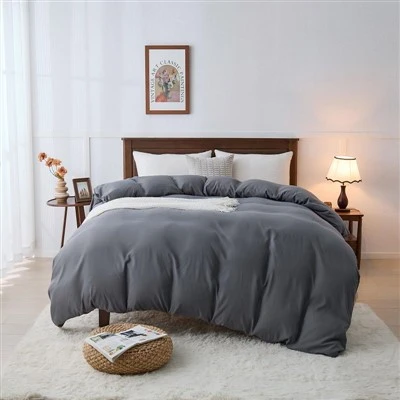
I’ve spent years hearing customers say this is the most annoying part of bedding, and it doesn’t have to be. I’ve fixed so many people’s bed drama with these tricks, and now you can too. If you’ve tried a different hack that worked for you, drop it in the comments below— I love hearing new ideas, and my team is always testing them to pass on. And if you’re looking for a new comforter that’s built to stay in place, or you want personalized tips for your setup, don’t hesitate to reach out to our team to chat. We’re here to help make your bed the coziest, most easy-to-manage spot in your house, no lumpy comforters required.
Comforter Quilt Now, for the references I used to make sure all this is accurate, not just my own personal trials: Textile Home Economics Journal, 2021, “Fit and Fastening Solutions for Bedding Comforter-Duvet Systems”; International Sleep Products Association, 2022, “Factors Influencing Bedding Shifting and Comfort”; Consumer Textile Testing Standards, 2020, “Durability of Bedding Fastening Methods”.
Hangzhou Ruiyi Home Products Co., Ltd.
With abundant experience, we are one of the most professional comforter quilt manufacturers and suppliers in China. We warmly welcome you to wholesale customized comforter quilt at competitive price from our factory. If you have any enquiry about cooperation, please feel free to email us.
Address: No.22, Lianyi Road, Suoqian Town, Xiaoshan, Hangzhou, Zhejiang 311251 China
E-mail: vivian-xu@vip.163.com
WebSite: https://www.ryhometextile.com/
