A power transmission chain is an essential component in various mechanical systems, playing a crucial role in transferring power from one part of a machine to another. As a supplier of transmission chains, I’ve witnessed firsthand the diverse applications and significance of these chains in different industries. In this blog, I’ll delve into what a power transmission chain is, its functions, and why it’s a vital part of modern machinery. Transmission Chain

What is a Power Transmission Chain?
A power transmission chain is a series of interconnected links designed to transmit mechanical power between two or more rotating shafts. It’s a flexible and reliable method of transferring power, often used in applications where belts or gears may not be suitable. These chains are typically made from high – strength materials such as steel, which can withstand the stresses and forces involved in power transmission.
There are several types of power transmission chains, each with its own unique design and application. The most common types include roller chains, silent chains, and leaf chains.
Roller Chains
Roller chains are the most widely used type of power transmission chain. They consist of inner and outer plates, pins, bushings, and rollers. The rollers reduce friction as the chain moves over the sprockets, allowing for efficient power transfer. Roller chains are commonly used in motorcycles, bicycles, industrial machinery, and automotive engines. Their simplicity, durability, and high – efficiency make them a popular choice for a wide range of applications.
Silent Chains
Silent chains, also known as inverted tooth chains, are designed to operate quietly. They have a series of toothed links that mesh with the sprockets, providing a smooth and quiet power transmission. Silent chains are often used in applications where noise reduction is a priority, such as in automotive timing systems and some industrial machinery. They offer high – speed capabilities and precise power transmission, making them suitable for applications that require accurate synchronization.
Leaf Chains
Leaf chains are made up of link plates that are connected by pins. They are designed to handle heavy loads and are commonly used in applications such as forklifts, hoists, and other material handling equipment. Leaf chains are known for their high tensile strength and ability to withstand shock loads.
Functions of Power Transmission Chains
Power Transfer
The primary function of a power transmission chain is to transfer power from the driving shaft to the driven shaft. In an industrial setting, this could mean transferring power from an electric motor to a conveyor belt, allowing the belt to move materials from one place to another. In a vehicle, the chain transfers power from the engine to the wheels, enabling the vehicle to move forward. The efficiency of power transfer in a chain depends on several factors, including the quality of the chain, the design of the sprockets, and the lubrication.
Speed Reduction or Increase
Power transmission chains can also be used to change the speed between the driving and driven shafts. By using sprockets of different sizes, it’s possible to increase or decrease the rotational speed. For example, in a bicycle, a smaller sprocket on the pedals and a larger sprocket on the rear wheel will result in a lower speed but higher torque, which is useful for climbing hills. Conversely, a larger sprocket on the pedals and a smaller sprocket on the rear wheel will increase the speed but reduce the torque, suitable for flat terrain.
Synchronization
In some applications, it’s essential to synchronize the movement of different parts of a machine. Power transmission chains can provide accurate synchronization between shafts, ensuring that all components work together in harmony. This is particularly important in manufacturing processes where precise timing is required, such as in printing presses or textile machinery.
Load Bearing
Power transmission chains are capable of bearing significant loads. In heavy – duty applications like construction equipment or mining machinery, chains need to be able to handle large amounts of weight and force. The design and material of the chain play a crucial role in determining its load – bearing capacity. For example, leaf chains are specifically designed for high – load applications, with their thick link plates and robust pin connections.
Advantages of Using Power Transmission Chains
High Efficiency
Power transmission chains offer high – efficiency power transfer compared to some other methods. The direct contact between the chain and the sprockets reduces energy losses due to slippage, which is a common problem in belt – driven systems. This means that more of the power generated by the driving source is transferred to the driven component, resulting in less wasted energy and lower operating costs.
Durability
Chains are made from strong and durable materials, such as steel, which can withstand harsh working conditions. They are resistant to wear, corrosion, and high temperatures, making them suitable for use in a wide variety of environments. With proper maintenance, a power transmission chain can have a long service life, reducing the need for frequent replacements.
Versatility
Power transmission chains can be used in a wide range of applications, from small household appliances to large industrial machinery. They can be easily customized to meet the specific requirements of different applications, such as different chain lengths, pitches, and load capacities. This versatility makes them a popular choice for engineers and designers in various industries.
Considerations When Choosing a Power Transmission Chain
Application Requirements
The first step in choosing a power transmission chain is to understand the specific requirements of the application. This includes factors such as the power to be transmitted, the speed of operation, the load capacity, and the environmental conditions. For example, if the application involves high – speed operation, a silent chain may be a better choice due to its smooth and quiet operation. If the application is in a corrosive environment, a chain made from stainless steel or with a special coating may be required.
Sprocket Compatibility
The chain must be compatible with the sprockets used in the system. The pitch of the chain (the distance between the centers of two adjacent pins) must match the pitch of the sprockets. Additionally, the number of teeth on the sprockets affects the speed ratio and the load – sharing characteristics of the chain. It’s important to select sprockets that are designed to work with the specific type of chain being used.
Maintenance
Proper maintenance is essential to ensure the long – term performance of a power transmission chain. This includes regular lubrication, inspection for wear and damage, and adjustment of the chain tension. Different types of chains may have different maintenance requirements, so it’s important to follow the manufacturer’s recommendations.
Conclusion
Power transmission chains are an integral part of many mechanical systems, offering efficient, durable, and versatile power transfer solutions. Whether you’re in the automotive, industrial, or any other industry, having a reliable power transmission chain is crucial for the smooth operation of your machinery.
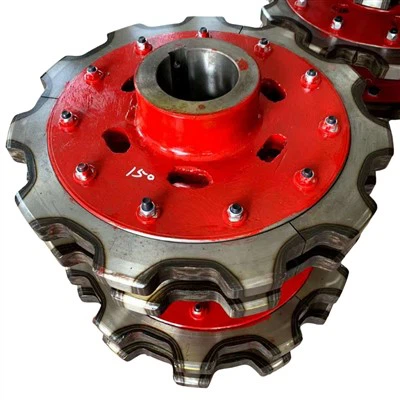
As a transmission chain supplier, I understand the importance of providing high – quality chains that meet the specific needs of our customers. We offer a wide range of chains, including roller chains, silent chains, and leaf chains, to suit various applications. Our team of experts can help you select the right chain for your project and provide you with the necessary technical support.
Conveyor Sprocket If you’re looking for a reliable power transmission chain for your application, I encourage you to get in touch with us. We’ll be happy to discuss your requirements and help you find the perfect solution. Let’s work together to ensure the efficient and reliable operation of your machinery.
References
- Machine Design Handbook: Covers various aspects of power transmission components, including chains.
- Automotive Engineering Textbooks: Provides information on the use of chains in automotive applications.
- Industrial Machinery Catalogs: Offer details about the different types of chains used in industrial settings.
Zhejiang Hangte Chain Transmission Co., Ltd.
We are one of the most experienced transmission chain manufacturers and suppliers in China since 1999. Please rest assured to buy high quality transmission chain made in China here from our factory. If you have any enquiry about cooperation, please feel free to email us.
Address: No. 195 Qinglin East Street, Qingshan Lake Subdistrict, Lin’an District, Hangzhou City, Zhejiang Province
E-mail: hangtechain@gmail.com
WebSite: https://www.chinahtchain.com/
