Hey there! If you’re in the market for hex head bolts or already using them, you might’ve wondered about how to adjust their tightness. Well, you’re in luck ’cause I’m here to share some tips and tricks. I’m in the hex head bolts supply business, so I’ve seen it all when it comes to these little guys. Hex Head Bolts
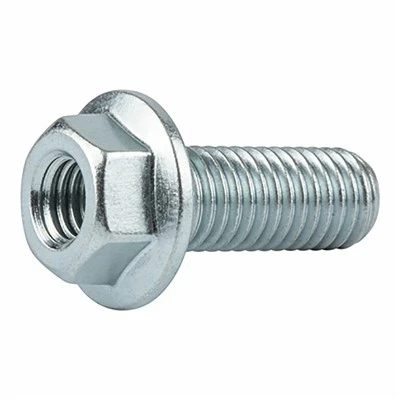
First off, let’s talk about why adjusting the tightness of hex head bolts is so important. You see, if a bolt isn’t tightened properly, it can lead to all sorts of problems. Loose bolts can cause vibrations, which over time can damage the parts they’re holding together. On the other hand, if you over – tighten a bolt, you might strip the threads or even break the bolt itself. So, finding that sweet spot is crucial.
One of the most basic tools you’ll need for adjusting the tightness of hex head bolts is a wrench. There are different types of wrenches, like open – end wrenches, box – end wrenches, and socket wrenches. My personal favorite is the socket wrench. It gives you a better grip on the hex head of the bolt, and it’s easier to use in tight spaces. You can just attach the socket that fits your bolt size onto a ratchet, and you’re good to go.
When you start tightening a bolt, it’s a good idea to do it gradually. Don’t just go all out with one big twist. Start by making a few small turns, then check the tightness. You can use your hand to feel if the part is starting to get snug. If it still feels loose, make a few more turns. Keep doing this until you reach the right level of tightness.
Now, how do you know when a bolt is tightened enough? Well, there are a couple of ways. One is to use a torque wrench. A torque wrench is a special type of wrench that allows you to set a specific amount of force, or torque, that you want to apply to the bolt. This is super useful because different applications require different levels of torque. For example, if you’re using hex head bolts to hold together a piece of machinery, the manufacturer might specify a certain torque value. By using a torque wrench, you can make sure you’re hitting that exact value.
Another way to tell if a bolt is tightened properly is by looking at the parts it’s holding. If the parts are flush and there’s no visible gap, that’s a good sign that the bolt is tight enough. But be careful not to rely too much on just visual inspection, especially if you’re working on something where safety is a concern.
But what if you need to loosen a hex head bolt? Well, it’s pretty much the opposite of tightening. You’ll still use your wrench, but this time you’ll turn it in the opposite direction. Sometimes, bolts can get really stuck, especially if they’ve been in place for a long time or if there’s corrosion. In those cases, you can try using a penetrating oil. Just spray the oil around the base of the bolt and let it sit for a few minutes. The oil will seep into the threads and help loosen up any rust or debris.
In some situations, you might need to adjust the tightness of multiple hex head bolts. This is common when you’re assembling something like a piece of furniture or a metal frame. In these cases, it’s important to tighten the bolts evenly. Start by tightening each bolt a little bit at a time, going around in a circular pattern. This helps distribute the pressure evenly and prevents warping or misalignment.
Now, let’s talk about the different factors that can affect how you adjust the tightness of hex head bolts. One of the big factors is the material of the bolt and the parts it’s connecting. For example, if you’re using a steel bolt to connect two pieces of aluminum, you need to be extra careful. Aluminum is a softer material than steel, so you don’t want to over – tighten the bolt and damage the aluminum.
Another factor is the environment. If you’re working in a high – temperature or high – humidity environment, the bolts might expand or contract. This can affect their tightness over time. In these cases, you might need to check and readjust the tightness of the bolts more frequently.
As a hex head bolts supplier, I’ve seen how important it is for customers to know how to handle these bolts properly. That’s why I’m always happy to give advice and share my knowledge. Whether you’re a DIY enthusiast working on a home project or a professional in the construction or manufacturing industry, getting the tightness of hex head bolts right can make a huge difference.
If you’re looking for high – quality hex head bolts, I’m your guy. I’ve got a wide range of sizes and materials to meet your needs. And if you have any questions about tightening or loosening them, don’t hesitate to reach out. I’m here to help you get the most out of your bolts.
In conclusion, adjusting the tightness of hex head bolts is a skill that anyone can learn. With the right tools, a bit of patience, and some basic knowledge, you can ensure that your bolts are tightened just right. So, next time you’re working with hex head bolts, give these tips a try. And if you need more bolts or have any other questions, come talk to me. I’m ready to assist you in making your projects a success.

If you’re interested in purchasing hex head bolts for your project, feel free to contact me to discuss your requirements. We can go over the details and find the perfect bolts to meet your needs.
Socket Head Cap Screws References
- Machinery’s Handbook, which provides detailed information on bolt torque and fastening techniques.
- Engineering textbooks on mechanical design and materials, which cover the properties of different bolt materials and their applications.
Handan Jihao Fastener Co., Ltd.
We’re known as one of the most professional hex head bolts manufacturers and suppliers in China. With abundant experience, we warmly welcome you to wholesale customized hex head bolts made in China here from our factory. If you have any enquiry about cooperation, please feel free to email us.
Address: A2, Row 31, Feiyu Screw World, Hebei Pu, Linmengguan Town, Yongnian District, Handan City, Hebei Province
E-mail: wenzhaona0@gmail.com
WebSite: https://www.chinaboltnut.com/
