Hey there! If you’ve ever stood in the lighting aisle scrolling through LED round bulb options, you’ve probably wondered, “How many lumens do I actually need?” — especially since “typical LED round bulb” is a question I get at least 10 times a week from homeowners, electricians, and even small shop owners. As someone who’s been supplying these bulbs for years, let me break this down straight, no jargon, just the stuff you actually care about. LED Round Bulb
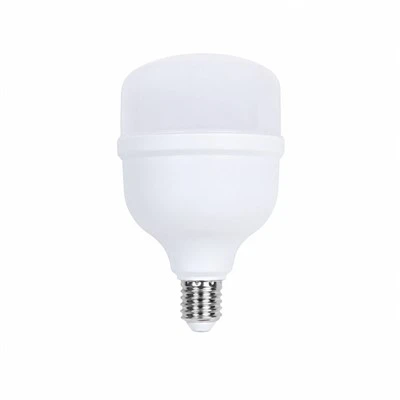
First off, let’s kill a common myth: lumens aren’t brightness the same way watts are “power.” Back in the old incandescent days, a 60W bulb was the go-to for a living room lamp. Now with LEDs, that same light uses way less energy — like 10W, and it hits around 800 lumens. That’s the baseline for a lot of “typical” LED round bulbs, but it’s not one-size-fits-all. Let’s start with the basics: what’s a lumen, anyway? Simply put, it’s the measure of visible light a bulb puts out. The more lumens, the brighter the space. No more guessing if a bulb will light up your kitchen or look dim in your bedside table.
Now, the “typical” LED round bulb most people are talking about is the A-series shape — you know, the classic round bulb that fits standard sockets, from E26 (US) to E27 (EU) depending on where you are. That’s the bulk of what we supply, and for that shape, the lumen range is pretty consistent depending on its intended use. Let’s break down the common types of typical LED round bulbs:
-
Nightlight or Accent Bulbs (Small, Low-Wattage): If you’re grabbing a bulb for a hallway nightlight, under-cabinet accent, or a small table lamp that doesn’t need to be super bright, these are tiny — like 2-5W. Their lumens land around 150-300. That’s enough to light a path at night without blinding anyone, perfect for those low-use spots. I’ve had customers say these are their go-to for bathroom vanities next to the mirror, too — soft but not dark.
-
Standard Home Lighting (Most Common): This is the 60W incandescent replacement we talked about earlier. A typical LED round bulb here is usually 8-12W, clocking in at 750-900 lumens. This is the sweet spot for bedside lamps, dining room fixtures with one or two bulbs, or a reading nook. We sell tons of these because they work for so many everyday spaces. Pro tip: if you want that “warm, cozy” feel, look for 2700K color temperature paired with this lumen range; for brighter task work, 3000K is still warm but a little crisper.
-
Bright Task Lighting (Kitchen, Workspaces): If you’re replacing a 100W incandescent bulb for a kitchen overhead, garage light, or home office desk, those typical LED round bulbs are 14-20W, pushing 1600-2000 lumens. That’s enough to light up a whole kitchen counter where you’re chopping veggies or a desk where you’re reading a book. We make a lot of these in the 1800 lumen range — not too harsh, but way brighter than the standard 800 lumen ones.
-
High-Lumen Bulbs (Large Spaces, Ceiling Fans): For bigger rooms like living rooms with ceiling fans or a home theater, some typical LED round bulbs go up to 25W, hitting 2600-2800 lumens. These are less common for single fixtures, but if you have a three-bulb chandelier in a large dining room, each bulb in that range works perfectly.
Wait, but why does this matter for you as a buyer? A lot of people still use old habits: “I need a 60W bulb” — that’s fine, but make sure you match the lumen to the space. If you put a 300 lumen bulb in your kitchen, you’ll be squinting when you cook. If you put a 2000 lumen bulb in your bedroom, it’ll feel like you’re in a hospital at night, not a cozy space. That’s where my team comes in — we’ve been matching customers to the right lumen for their needs for years, so we don’t sell you a bulb that’s too dim or too bright.
Now, let’s talk about what makes a “typical” LED round bulb different from other shapes. Unlike panel lights or floodlights, round bulbs (especially the A-series) are designed to work with existing fixtures, so their lumen output is calibrated to fit those standard uses. They’re not meant to blast light in a 180-degree spread — they spread light in all directions, which is why that 800 lumen number feels like that classic incandescent glow, not the harsh, directional light of a floodlight. That’s why we love supplying these: they’re versatile, fit almost every socket, and have that familiar light people are used to.
I get questions all the time about “is 1000 lumens too much?” or “is 500 lumens enough?” — it really depends on the space. A 500 lumen bulb works for a closet, but not for a reading lamp. A 1000 lumen bulb is a middle ground that works for hallways where you’re passing through, not staying for long. Our go-to “typical” round bulb for general use is 800 lumens — that’s the bestseller for a reason. It’s not too bright, not too dim, and works in almost any standard socket.
Another thing to note: lumen quality matters. Not all 800 lumen bulbs are the same. Some cheap bulbs will say they’re 800 lumens but feel dim because they don’t distribute light evenly. We test every batch of our LED round bulbs to make sure they hit their rated lumens, so you’re not wasting money on a bulb that doesn’t deliver on its promise. A lot of our repeat customers tell us they switched from generic bulbs because ours actually match the lumen numbers, so they don’t have to buy three bulbs to get one that works.
What about energy use? If you’re worried about your electric bill, a typical 800 lumen LED round bulb uses only ~10W, which is way less than a 60W incandescent. That’s why LEDs are such a big deal — you get the same amount of light (same lumens) for way less energy, and they last way longer. We have customers who’ve had our bulbs in their dining room for 5 years and still haven’t had to replace them.
Now, if you’re in the market for LED round bulbs, you don’t have to guess anymore. Whether you’re outfitting a whole house with standard bulbs, stocking up for your small business, or just replacing a single bulb in your bedroom, we’ve got the right lumen for you. We supply everything from small accent bulbs to bright task ones, all tested to hit their lumen ratings, no surprises.
If you’re not sure which lumen is right for your space, hit us up — my team and I can walk you through it. We work with homeowners, contractors, interior designers, and small shop owners, so we know how to match the right LED round bulb to your needs. No confusing brochures, no hard sell — just straight talk about what works for you.

We’ve been in this game for years, so we get that lighting is personal. Some people love bright kitchens, some love cozy bedrooms, and we make bulbs that fit both. If you’re ready to place an order or just ask a question about lumens, reach out to us to chat procurement. We’re here to make sure you get the right bulb, the first time.
LED Color Bulb References:
- Department of Energy (DOE) – LED Lighting Facts: Understanding Lumens, Watts, and Energy Efficiency for Residential Lighting.
- Illuminating Engineering Society (IES) – Lighting Handbook: Lumen Output and Application for Standard Light Bulb Shapes.
- Consumer Reports – Guide to LED Bulb Brightness: Matching Lumens to Room Types and Uses.
- Lighting Research Center (LRC) at Rensselaer Polytechnic Institute – Energy and Performance Metrics for LED Round Bulbs.
- National Electrical Manufacturers Association (NEMA) – Standards for LED Round Bulb Lumen Ratings and Labeling.
Hangzhou Lin’an Mingfeng Electric Parts Co., Ltd.
We are one of the most experienced LED round bulb manufacturers and suppliers in China since 1996. We warmly welcome you to wholesale customized LED round bulb made in China here from our factory. If you have any enquiry about pricelist and quotation, please feel free to email us.
Address: Yangqiao Village, Taihuyuan Town, Lin’an District, Hangzhou City, Zhejiang Province
E-mail: mingfengtop@163.com
WebSite: https://www.mingfengtop.com/
