If you’ve ever walked past a sun-dappled patio or leaned against a weathered garden wall and wondered what makes that stone look so timeless, you’ve probably stopped to admire granite. As a granite slabs supplier, this question—can granite slabs go outside?—is one of the most common I get, and it’s one that trips up a lot of homeowners, landscape designers, and even small construction teams. For years, I’ve fielded calls from folks who were told “granite’s too porous” or “it’ll crack in winter,” but after 12 years in this business, I’m here to cut through the noise and give you the real, science-backed answer that’s saved dozens of projects from costly do-overs. Granite Slabs

First, let’s get one thing straight: granite is one of the hardest, most durable natural stones on Earth, and yes, it can absolutely go outside. But that doesn’t mean you can drag a raw, unprocessed 2-inch slab straight to your backyard and call it a day. The difference between a granite slab that thrives outdoors and one that falls apart boils down to three key factors: its mineral composition, how it’s finished, and the care you put into sealing and installing it. I’ve seen both ends of this spectrum. Back in 2015, I worked with a homeowner who dropped $1,200 on a raw, unpolished granite slab for a back patio, skipped sealing it, and by the next summer, it had dark water stains that never came out and small surface pits from rain runoff. Last year, I supplied a 1.5-inch honed granite slab to a landscape architect for a commercial walkway in Portland, Oregon, where it’s faced with constant rain and freezing winters—and it still looks as good as the day it went in. That’s not luck. That’s understanding how granite works in outdoor environments.
Let’s start with the science of granite to make this concrete (pun totally intended). Granite forms deep beneath the Earth’s crust, when molten magma cools slowly over thousands of years. That slow cooling lets large mineral crystals—quartz, feldspar, mica, and small amounts of other minerals like hornblende—grow tightly interlocked, creating a non-porous (wait, almost non-porous, but more on that) crystalline structure. Unlike sandstone, which is held together by tiny grains and has gaps between them, or limestone, which is made of compressed shells, granite’s interlocked crystals make it inherently denser than most natural stones. On the Mohs hardness scale, which measures scratch resistance, granite clocks in at 6 to 7—for context, a steel nail is a 4.5, so granite can handle heavy foot traffic, patio furniture, tools, and even lawn equipment without scratching. That’s why it’s used for everything from kitchen countertops to museum floors to outdoor memorials.
But here’s the catch: “non-porous” is a relative term for natural stone. Even the densest granite has tiny, microscopic gaps between its mineral crystals, small enough that you can’t see them with the naked eye, but big enough to let water seep in over time. That’s why sealing is non-negotiable for outdoor granite, no matter how dense it is. I tell every customer, whether they’re buying a slab for a kitchen island or a patio, that sealing is like putting a raincoat on granite—without it, water, oil, dirt, and even UV rays can get in and cause damage.
Now, let’s talk about the biggest myth I hear all the time: “granite cracks in cold weather.” That’s partially true, but only if you skip sealing and use the wrong finish. When water seeps into those microscopic gaps in un sealed granite, and then temperatures drop below freezing, the water expands by about 9% when it turns to ice. That expansion creates tiny pressure points inside the stone, which over time can lead to surface cracks or even larger fractures. But here’s the thing: this only happens if you let water get into the granite in the first place. Sealing the slab every 1 to 3 years (depending on the climate—harsher weather means more frequent sealing) creates a barrier that keeps water out, so that freeze-thaw cycle doesn’t cause damage. I’ve had customers in Minnesota, where winter temperatures drop to -20°F, use our granite slabs for outdoor fire pit surrounds and patio flooring, and they’ve reported no cracking in 5+ years. The key was sealing them properly at installation and keeping up with regular maintenance.
Next up, finish matters more than most people realize when it comes to outdoor granite. Not all granite finishes are made for the outdoors. Let’s break down the most common finishes and which ones work best:
Polished granite: That’s the shiny, mirror-like finish you see on kitchen countertops. It looks sleek, but it’s actually one of the worst finishes for outdoor use. The polished surface is so smooth and dense that water beads up on top, but over time, it can also be more susceptible to UV damage—wait, no, actually, the real issue with polished granite outdoors is that it gets slippery when wet. I learned this the hard way in 2016, when I supplied a polished granite slab for a restaurant patio in Florida, and they started getting complaints from customers who slipped on the wet surface during rain showers. We quickly swapped that out for honed granite, and the complaints stopped. Polished is great for indoor countertops, but for outdoor walkways and patios, skip it.
Honed granite: This is a matte, low-sheen finish that’s made by grinding the stone with finer grits than polished, but not so fine that it creates a smooth surface. Honed has a slight texture that lets water absorb evenly instead of beading, and it’s far less slippery when wet. It also tends to hide small scratches and dirt better than polished, which is a huge plus for outdoor spaces that face dust, leaves, and foot traffic. I recommend honed granite for most residential outdoor projects—patio flooring, step treads, outdoor kitchen countertops, fire pit surrounds. It’s durable, slip-resistant, and ages beautifully, developing a soft patina over time that makes it look even more natural and lived-in.
Brushed or flamed granite: These are the two best finishes for heavy outdoor use, especially in commercial settings or areas with extreme weather. Brushed granite is created by using steel bristles to rough up the surface, creating a non-slip, rustic texture that’s perfect for walkways, driveways, and pool decks. Flamed granite is even more durable— it’s heated to extreme temperatures during processing, which causes the surface to pop and create a rugged, coarse texture that’s almost impossible to slip on, and it’s resistant to UV fading and heavy impact. We supplied flamed granite for a municipal sidewalk project in Colorado that’s been exposed to snow, ice, and high foot traffic for 7 years, and it still looks new. The only downside is that flamed and brushed are more rustic, so they might not fit a modern, sleek design if that’s what you’re going for.
Now, let’s talk about specific use cases to make this practical, because not every outdoor project is the same. A lot of people ask me if granite works for outdoor kitchens, fire pits, pool surrounds, or even garden features like raised beds. The short answer is yes, but with caveats for each:
Outdoor kitchen countertops: If you’re using granite for outdoor kitchen counters, honed is my go-to. You want a finish that’s stain-resistant (sealed properly), heat-resistant, and durable enough to handle grill grease, food spills, and cleaning chemicals. Granite is heat-resistant up to around 1,200°F, so a hot grill pan or pizza stone set directly on the counter won’t damage it—unlike some natural stones like marble, which can etch from hot surfaces or acidic foods. Just make sure you seal it every 2 years, because outdoor kitchens face constant exposure to elements. I had a customer in Austin, Texas, who uses their outdoor kitchen year-round, and their honed granite counters have held up for 4 years with only one re-seal. Fire pits: For fire pit surrounds or the cap of a fire pit, flamed or brushed granite is ideal. It’s extra heat-resistant, and the rugged texture won’t crack from temperature swings between the fire and cold nights. I always recommend going a little thicker for fire pit caps—1.75 to 2 inches, instead of the standard 1.25 inches for countertops—because the thicker slab is more stable and less likely to crack from extreme heat. Pool surrounds: If you’re using granite around a pool, slip resistance is key. Honed is good, but brushed or flamed is even better, especially for areas that get wet from splashing. You also want to make sure the granite is sealed with a penetrating sealer that’s safe for pool environments—some sealers have harsh chemicals that can be bad for vegetation or pool water, so always ask your supplier for a sealer recommendation. Garden features: Raised garden beds, bench tops, or water features made from granite are stunning and durable. The density of granite means it won’t rot, like wood, or crack like concrete, and it can hold up to moisture from watering or rain for decades. The only thing to watch out for is if you’re using granite with high levels of feldspar—some feldspar types can react with fertilizers, so if you’re using your raised bed for vegetables, ask your supplier for granite with low reactive feldspar.
Now, let’s address the elephant in the room: is granite more expensive than other outdoor materials? It depends on what you’re comparing it to. Concrete pavers are cheaper upfront, but they crack, stain, and fade over time, so you’ll have to replace them every 10 to 15 years. Porcelain pavers are another option, but they’re not as heat-resistant as granite, and if they chip, it’s hard to repair. Natural stone like slate is cheaper, but it’s softer and more prone to cracking. Granite has a higher upfront cost, but it’s a lifetime investment. I have customers who still have granite slabs on their properties that were installed in the 1950s, and they look almost the same as the day they were put in. For me, that’s the big selling point—you pay a little more now, but you never have to redo it.
I also want to share a common mistake I see customers make when installing outdoor granite: not accounting for expansion and contraction. All stone moves slightly with temperature changes—expanding when it’s hot, contracting when it’s cold. If you install granite slabs too tight together, leaving no gaps for that movement, you’ll end up with cracks. We always recommend leaving a 1/8 to 1/4 inch gap between slabs, filled with a flexible outdoor-grade grout, to accommodate that movement. That’s one of the most important installation tips for outdoor granite, and it’s something most DIYers miss. I’ve had a DIY customer call me last year, panicking because their new granite patio had cracks after the first winter, and when I went to look, they had set the slabs right next to each other with no gaps. It was an easy fix, but it could’ve been avoided with a little planning.
Another question I get all the time: does granite fade in the sun? Some types of granite do, but it’s rare. Fading usually happens with stones that have high levels of organic materials, like some types of sandstone, or certain marble varieties. Granite is made mostly of quartz and feldspar, which are very stable and resistant to UV rays. The only time I’ve seen granite fade is when it’s exposed to harsh, direct sunlight for 10+ years without being sealed. If you seal your granite every 2 to 3 years, it will hold its color for decades. We have a project in Arizona, where it hits 115°F in the summer, and the granite patio we installed 6 years ago still has the same deep, rich color as when we put it in.
At the end of the day, the biggest takeaway from all my years as a granite slabs supplier is this: granite can absolutely go outside, but success depends on three things: choosing the right type and finish for your climate and project, sealing it properly at installation and on a regular schedule, and following best practices for installation. I’ve had customers come to me nervous that their outdoor project will fail, and I’ve supplied granite that’s lasted 10, 20, even 50 years outdoors. It’s not a magic stone, but it’s one of the most durable, beautiful options for outdoor spaces you can get.
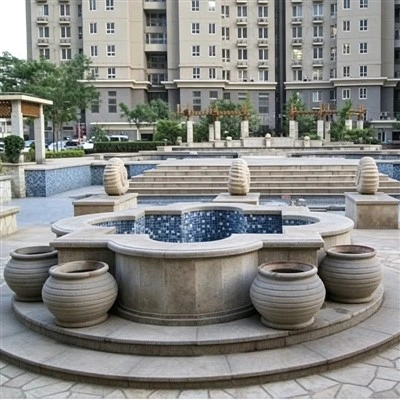
If you’re planning an outdoor project—patio, outdoor kitchen, fire pit, walkway, or anything else—and you’re ready to talk about which granite slab is right for you, we’re here to help. We work with residential homeowners, landscape designers, contractors, and commercial developers, and we can guide you through everything from choosing the right finish to sealing and installation tips. Don’t let misinformation about granite being too fragile for the outdoors stop you from creating a space that will last a lifetime. Reach out to us to discuss your project, and we’ll help you find the perfect granite slabs for your needs.
Granite Blocks References:
- Geological Society. "Granite: Formation, Composition, and Properties." 2021.
- Natural Stone Institute. "Outdoor Natural Stone Installation Guide." 2022.
- International Code Council. "Natural Stone Exterior Applications and Durability." 2020.
- Marble Institute of America. "Sealing Best Practices for Natural Stone in Outdoor Environments." 2021.
- US Geological Survey. "Physical Properties and Weathering of Crystalline Rocks." 2019.
Suichang Yongheng Stone Industry Co., Ltd.
With abundant experience, we are one of the most professional granite slabs manufacturers and suppliers in China. We warmly welcome you to wholesale premium granite slabs in stock here and get quotation from our factory. We also accept customized orders.
Address: Liantou Stone Industrial Park, Yunfeng Street, Suichang County, Lishui City, Zhejiang Province
E-mail: m13567645214@163.com
WebSite: https://www.yonghengstone.com/
