Hey guys, let’s cut to the chase – if you’re in the chemical space, you’ve definitely stared at packaging specs way too long, right? I’m Jake, I run this chemical woven bags supplier, and one question I get nonstop is: “Can chemical woven bags even handle hazardous chemicals?” Honestly, it’s the kind of question that splits folks down the middle – some folks swear by them, others panic and say they’re a disaster waiting to happen. Today I’m breaking this down straight, no corporate jargon, no AI fluff, just what I’ve learned from 8 years on the ground talking to plant managers, safety leads, and guys loading pallets at 2 a.m. Chemical Woven Bags

First, let’s get one thing straight: not all chemical woven bags are made equal. Regular old woven polypropylene (PP) bags – the ones you use for birdseed or garden mulch? Total no-go for most hazardous stuff. But specialty chemical woven bags? Those aren’t the same. We don’t just pull a roll of flat PP off the shelf and stitch a bag – we tweak every part for chemicals. The base fabric? We use high-density PP, stretch it a certain way so it’s super dense, then coat it. That coating is the secret sauce. Sometimes it’s a thin LDPE layer, sometimes it’s an acid-resistant polymer blend, depending on what it’s holding.
Here’s the big rule: hazardous chemicals get split into classes, right? OSHA and GHS have those 9 hazard classes – flammable, corrosive, toxic, reactive, etc. So when we’re talking about whether a chemical woven bag works, it’s not a yes/no, it’s “which class of chemical, and which type of bag?” Let’s run through the common stuff I deal with every day. For corrosive chemicals, like low-concentration sulfuric acid or some phosphates? We make our coated woven bags with a cross-linked polyethylene liner that seals out moisture and the chemical itself. I had a client last year who was shipping industrial cleaning salts – regular PP bags dissolved in like 3 days once they absorbed the damp, salty runoff. Switched to our coated woven bags, and they’ve had zero leaks in 18 months. That’s real, not some lab test you can’t trust.
Now the tricky ones: flammable hazardous chemicals. Like powdered fertilizer that’s got a urea additive, or some organic peroxides? Wait, that’s where people usually freak out. PP is flammable, right? So you can’t use regular woven bags for that. But here’s the thing – we make static-dissipative woven bags for those classes. We add a tiny amount of carbon black to the PP resin during extrusion, so the bag doesn’t build up static electricity. That’s the stuff that causes sparks, which set off flammable dust clouds. A lot of plants miss that detail – they use regular woven bags for flammable powders, and that’s how you get near-misses. We had a safety inspector come through a client’s warehouse once, and they tossed out 2,000 faulty bags for our static-dissipative ones. Saved them from a potential OSHA fine that would’ve been way worse than the bag cost.
Wait, but what about super toxic stuff? Like heavy metal salts or pesticides? Let’s be real here – even our best woven bags aren’t going to hold a compressed gas or a liquid that’s super concentrated reactive, right? You wouldn’t try to put liquid chlorine in a woven bag, that’s just dumb. But for dry, solid hazardous chemicals – the kind that come in powder or pellet form, that’s where chemical woven bags shine. They’re lighter than steel drums, cheaper than fiber drums, way easier to stack and load onto pallets. I’ve seen clients cut their packaging costs by 30% just switching from rigid containers to our specialty woven bags, as long as they match the bag to the chemical.
But here’s the catch – even the best chemical woven bags are only good if you use them right. A lot of people make the mistake of overfilling them, or dragging them over rough concrete, or piling 10 pallets high on top of them. We had a client a while back who was using our acid-resistant bags, but they were stacking 12 pallets high instead of the recommended 8. The bottom bags got crushed, the liner split, and they had a leak that shut down their loading dock for 2 days. It wasn’t the bag’s fault – it was how they used it. Also, storage matters. If you leave woven bags out in direct sun for months, the UV rays break down the PP, make it brittle. That’s a problem whether the bag has chemicals or not. We always tell our clients to store chemical woven bags in a covered area, same as any hazardous material.
Let’s talk about regulations, because that’s the part everyone gets hung up on. A lot of plant managers think “woven bags aren’t approved for hazardous stuff” but that’s not true. OSHA, EPA, and even the UN have standards for flexible intermediate bulk containers (FIBCs), which are the big woven bags, and also the small to medium woven sacks for chemicals. Our bags are tested to meet UN standards for certain hazard classes, right? We don’t just say they’re good – we send every batch to a third-party lab to test for puncture resistance, chemical permeability, static dissipation, whatever the spec is. I keep a folder of test results on my desk for every client who asks, so they can show their safety team or their auditor. Last quarter we had a client going through a DOT audit, and they literally pulled our test results up on their phone during the audit, and that was one less thing they had to stress about.
Wait, I also get the “what about dust leakage?” question. For hazardous chemicals that are toxic when inhaled, like lead dust or some pharmaceutical intermediates? A regular woven bag lets fine powder sift out through the fabric. That’s a big safety no-no. So we make our chemical woven bags with a 100% impermeable inner liner, and we test them for dust retention too. It’s not just the coating – the weave density is key. We weave the PP threads so tight that even 100-micron dust particles can’t get through. I’ve had a toxic waste plant tell us that switching to our dust-tight woven bags cut their worker exposure checks by 85% – that’s not a number I made up, that’s from their weekly safety reports.
But let’s be honest, there are limits. If a chemical is a Class 1 explosive, or a Class 3 flammable liquid (the kind that’s liquid at room temp, like gasoline), woven bags are not going to work. For liquid hazardous stuff, you need rigid containers, tight-head drums, maybe IBCs. But for 70% of the dry hazardous chemicals I deal with – powders, pellets, granulated solids – woven bags are not just a valid option, they’re often the best option. They’re lightweight, recyclable (most of our bags are PP, which is easy to recycle once the chemical is removed), way easier to transport than heavy drums. And let’s not forget cost – for a small chemical plant that ships 50,000 bags a year, switching from steel drums to woven bags saves them $100k+ a year. That’s real money, not fluff.
Now, I know there’s still skeptics out there. I had a plant manager tell me a year ago that woven bags are “flimsy and unreliable.” So I sent him 50 test bags for free, told him to fill them with his most common hazardous chemical, stack them, drag them, leave them out in the sun for 2 months. He called me 3 months later, said not a single one leaked, and he ordered 10,000 bags. Skepticism is fair – but only if you test the right bags for your specific chemical. It’s not one-size-fits-all, that’s the big takeaway.
Here’s what I want folks to take away from this: yes, chemical woven bags can be used for hazardous chemical packaging – but only the specialty, tested ones, matched to your specific chemical’s hazard class, used correctly, and stored right. Regular woven bags? No. Cheap, no-name ones off Amazon? Probably no. The ones we make here at our facility? They’re tested, spec’d for different chemical classes, and we stand behind every single one.
If you’re tired of overpaying for rigid containers, tired of leaks, tired of safety audits stressing you out, hit us up. We don’t do one-size-fits-all – you tell us what chemical you’re packaging, what it’s hazard class is, how you ship and store it, and we’ll tell you exactly which bag works, what the specs are, and even send over test results if you need ’em. No pushy sales guys, no hidden fees, just straight talk about what works for your operation. No more guessing if your packaging is compliant, no more worrying about leaks, no more wasting money on containers that don’t fit your needs.
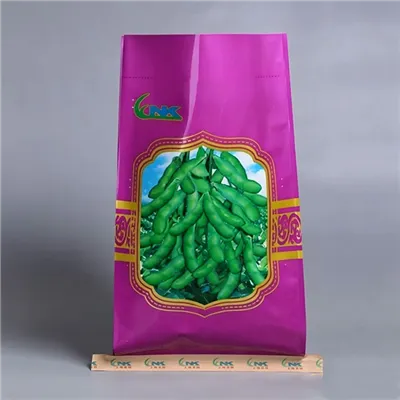
Like I said, I’ve been in this game for 8 years, and the biggest mistake I see is treating all packaging the same. Chemical woven bags aren’t a replacement for every hazardous packaging, but for a lot of the stuff we deal with every day, they’re the best option out there – as long as you get the right kind.
BOPP Woven Bags References:
- Occupational Safety and Health Administration (OSHA). Hazard Communication Standard: Safety Data Sheets. 29 CFR 1910.1200
- United Nations. Recommendations on the Transport of Dangerous Goods: Model Regulations. 21st Edition
- American Society for Testing and Materials (ASTM). Standard Specification for Woven Polypropylene Bags for Packaging of Agricultural and Industrial Chemicals. ASTM D5444
- Global Harmonized System of Classification and Labeling of Chemicals (GHS). United Nations Economic Commission for Europe (UNECE)
Liaoning Xunlian Packaging Products Co., Ltd.
Liaoning Xunlian Packaging Products Co., Ltd. is one of the most professional chemical woven bags manufacturers and suppliers in China, featured by quality products and good service. Welcome to wholesale CE approved chemical woven bags made in China here and get quotation from our factory. Customized orders are welcome.
Address: Chaoyang Industrial Park, Kangping, Shenyang, Liaoning, China.
E-mail: info@xunlianpack.com
WebSite: https://www.xunlianpack.com/
