Hey there! I’m a supplier of mechanical locks, and I’ve been in this business for quite a while. One of the most common questions I get from customers is how to install a mechanical lock on a cabinet. Well, today I’m gonna walk you through the whole process step by step. Mechanical Lock
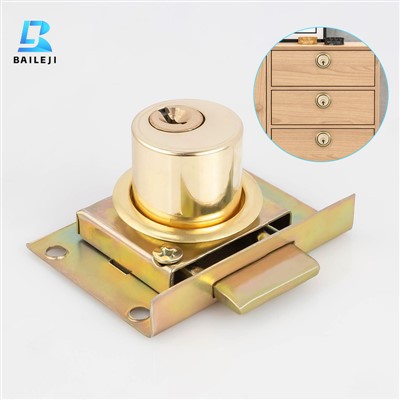
First off, let’s talk about why you might want to install a mechanical lock on your cabinet. Maybe you’ve got some valuable stuff in there, like important documents, jewelry, or expensive tools. Or perhaps you’ve got little kids around, and you want to keep them out of certain things. Whatever the reason, a mechanical lock is a great way to add an extra layer of security to your cabinet.
Before we start the installation, you’ll need to gather a few tools. You’ll need a drill, a screwdriver (both flat – head and Phillips – head usually), a tape measure, a pencil, and of course, the mechanical lock you’ve purchased from us. Make sure you’ve got all these tools handy before you begin.
Step 1: Choose the Right Location
The first step in installing a mechanical lock on your cabinet is to choose the right location. You want to pick a spot that’s easy to reach and won’t interfere with the normal opening and closing of the cabinet door. Usually, the edge of the cabinet door near the latch side is a good choice.
Take your tape measure and measure the distance from the top and the side of the door. Mark the center point where you want to install the lock with a pencil. It’s important to be as accurate as possible here because if the lock is off – center, it might not work properly.
Step 2: Prepare the Cabinet Door
Once you’ve marked the location, it’s time to prepare the cabinet door for the lock. If your lock comes with a template, use it to trace the holes you need to drill. Place the template over the marked area and secure it with a couple of pieces of tape. Then, use your pencil to trace the holes onto the door.
If you don’t have a template, don’t worry. Most mechanical locks come with instructions that tell you the size and location of the holes. Use your tape measure to mark the holes according to the instructions.
Now, it’s time to drill the holes. Make sure you’re using the right drill bit size for the lock. Start by drilling a small pilot hole, and then gradually increase the size of the hole until it’s the right size for the lock. Be careful not to drill too deep or too wide, or the lock might not fit properly.
Step 3: Install the Lock Body
After you’ve drilled the holes, it’s time to install the lock body. Take the lock body and insert it into the holes you’ve drilled. Make sure it fits snugly and is aligned properly. You might need to use a little bit of force to get it in there, but don’t overdo it.
Once the lock body is in place, use your screwdriver to attach it to the cabinet door. Most locks come with screws that you can use to secure the lock body. Tighten the screws firmly, but be careful not to strip the threads.
Step 4: Install the Latch
The next step is to install the latch. The latch is the part of the lock that catches on the strike plate when you close the cabinet door. Locate the strike plate that came with your lock. It’s usually a small metal plate with a hole in the middle.
Measure the distance from the edge of the cabinet door to the center of the latch on the lock body. Then, mark the same distance on the frame of the cabinet where the door closes. Use your tape measure and pencil to make the marks.
Drill a couple of small holes in the cabinet frame at the marked locations. Insert the strike plate into the holes and use your screwdriver to attach it to the frame. Make sure the strike plate is aligned with the latch on the lock body. If it’s not, the lock won’t work properly.
Step 5: Test the Lock
Once you’ve installed the lock body and the latch, it’s time to test the lock. Close the cabinet door and try to turn the key in the lock. If the lock turns smoothly and the latch catches on the strike plate, then you’ve done a great job. If the lock doesn’t turn or the latch doesn’t catch, you might need to make some adjustments.
Check to make sure the lock body and the strike plate are aligned properly. You might need to loosen the screws and move the lock body or the strike plate a little bit until they’re in the right position. Then, tighten the screws again and test the lock one more time.
Step 6: Final Checks
After you’ve tested the lock and it’s working properly, do a final check. Make sure all the screws are tightened securely and there are no loose parts. Check the alignment of the lock one more time to make sure it’s straight.
Also, make sure the key turns smoothly in the lock and that the latch engages and disengages easily. If everything looks good, then you’re all set. Your cabinet now has a brand – new mechanical lock for added security.
Troubleshooting Tips
Sometimes, things don’t go as smoothly as we’d like during the installation process. Here are a few troubleshooting tips that might help you out.
If the lock is hard to turn, it could be because the keyway is dirty. You can try cleaning the keyway with a small brush and some lubricant. Just put a little bit of lubricant on the key and insert it into the lock a few times to work it in.
If the latch doesn’t catch on the strike plate, it could be because the strike plate is not aligned properly. Loosen the screws on the strike plate and move it a little bit until the latch catches. Then, tighten the screws again.
If the lock is making a strange noise when you turn it, it could be a sign of a problem with the internal mechanism. In this case, it’s best to contact us. We can help you diagnose the problem and either repair or replace the lock.
Why Choose Our Mechanical Locks?
Now, you might be wondering why you should choose our mechanical locks. Well, let me tell you a few reasons. First of all, our locks are made from high – quality materials. We use strong metals and durable components to ensure that our locks last a long time.
Secondly, our locks are easy to install. As you’ve seen from the steps above, you don’t need to be a professional locksmith to install our locks. We provide clear instructions and templates to make the installation process as easy as possible.
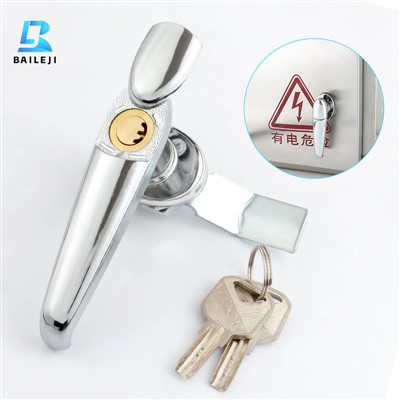
Thirdly, our locks are very secure. We’ve designed them to be resistant to picking and tampering. You can trust that your valuable items will be safe when you use our locks.
Combination Lock If you’re interested in purchasing our mechanical locks for your cabinets or any other applications, feel free to reach out to us. We’re always happy to help you choose the right lock for your needs and answer any questions you might have. Whether you’re a homeowner looking to secure your personal belongings or a business owner in need of reliable locks for your storage cabinets, we’ve got you covered.
References
- Lock Installation Guides from Industry Standards
- Personal Experience in Mechanical Lock Supply and Installation
Suzhou Baileji Intelligent Lock Industry Co., Ltd.
As one of the most professional mechanical lock enterprises in China, we’re featured by quality products and good price. Please rest assured to buy discount mechanical lock in stock here and get pricelist from our factory. Also, customized service is available.
Address: 3rd Floor, Building 9, Shengteng Industrial Park, No. 8 Ruyuan Road suzhou, jiangsu, China
E-mail: vip@bailejilocks.com
WebSite: https://www.bailejilock.com/
