If you’ve been working with moving beam gantries for a while, you know they’re the workhorses of so many industries: manufacturing, warehousing, even event setup. But let’s be real—those older models can feel like they’re stuck in the past. Maybe yours lags when you’re moving heavy loads, or the precision is off, or you’re wasting time on constant maintenance. That’s where upgrading comes in, and as someone who’s supplied moving beam gantries for years, I’ve seen way too many people waste money on unnecessary upgrades or skip the ones that actually move the needle. Today, I’m breaking down how to upgrade your existing moving beam gantry the right way, no fluff, no overpaying. Moving Beam Gantry
First, let’s talk about why you’d even consider upgrading instead of replacing. A new gantry can set you back tens of thousands, even more, depending on the size. An upgrade? You’re breathing new life into equipment you already own, which means lower upfront cost, less downtime during the process (if you plan it right), and you can target exactly the parts that are holding you back, instead of buying a whole unit that might have features you don’t need. I’ve had clients come to me saying, “My gantry works but it’s slow—do I need a whole new one?” Nine times out of 10, they just needed a motor and control update. That said, not all upgrades are created equal, and you can’t just swap parts willy-nilly. Let’s start with the basics: knowing your gantry’s current setup. You can’t fix what you don’t measure, right? Before you buy any parts, pull the specs on your existing gantry. What’s its payload capacity? The beam length? The rail size it runs on? The current control system (old-school PLC, manual dials, or something in between)? How much precision do you actually need now—like, are you moving pallets of boxes where an inch off is fine, or assembling electronics where a half-millimeter matters? That baseline will keep you from buying parts that are too big, too small, or overkill for your workflow.
Now, let’s dive into the most impactful upgrades, ordered by ROI (return on investment) because let’s be real, that’s what matters to most of you. First up: the motor and drive system. This is the number one upgrade I recommend for anyone dealing with slow gantries or inconsistent movement. Old moving beam gantries often use analog DC motors that are prone to wear, fluctuate speed, and burn out way faster than they should. Swapping those for modern brushless DC (BLDC) motors or even servo motors changes everything. I’ve installed this upgrade on a client’s gantry that was taking 10 minutes to move a load across a 50-foot warehouse; after swapping the motors and upgrading the drives, that time dropped to 3. They’re also way more energy-efficient—so you’ll see lower utility bills each month, on top of less maintenance. Wait, but don’t just jump to servo motors unless you need that precision. Servos are great for high-precision jobs, like picking and placing small parts, but if you’re moving heavy pallets, a good BLDC with variable frequency drives (VFDs) will do the job at a fraction of the cost. VFDs let you adjust speed smoothly instead of the old “on-off” jolt that wears out your beam and rail. Pro tip: When you’re picking motors, make sure their torque matches your maximum payload. If your gantry is rated for 2,000 lbs, don’t buy a motor rated for 1,500 lbs—you’ll just end up with a system that can’t handle the load, and that’s a safety hazard, plain and simple.
Next, the control system. If your gantry still has a physical control panel with buttons and a dial, or a clunky old PLC that crashes every other week, this upgrade will feel like going from a flip phone to a smartphone. Modern control systems for gantries are user-friendly, can be programmed with custom workflows, and even integrate with your existing warehouse management system (WMS) if you have one. Let’s say you’re in warehousing, and you need the gantry to pick up a pallet when a WMS sends a signal. A new control system can do that automatically, no human input needed—cuts down on errors and speeds up your operations. I’ve had clients who spent 2 hours a day correcting manual pick-up errors; after upgrading the controls, that number dropped to 10 minutes. Another bonus: most new control systems come with remote monitoring, so you can check your gantry’s health from your phone or computer. No more waiting for a technician to show up to tell you why your gantry stopped—you can see if a motor is overheating, a rail is worn, or a sensor is out, before it causes a full shutdown. When you’re choosing a new control system, look for one that’s compatible with your existing sensors, if you don’t want to replace all of those right away. Also, make sure it has a simple interface for your operators—no one wants to spend a week training just to run the gantry.
Third, beam and rail upgrades. Let’s be honest, after years of use, your beam can bend, and your rail can develop flat spots or debris buildup that makes movement bumpy. Upgrading the beam doesn’t mean replacing the whole thing—you can get a reinforced steel insert welded into existing beams if they’re slightly bent, or switch to a lighter aluminum beam if you need to cut down on weight (which boosts speed and motor efficiency). For rails, if they’re worn, you can replace just the top rail surface instead of the whole track, which is way cheaper and faster. Another thing: adding linear guide wheels instead of the old roller bearings can cut friction by up to 30%, which means your motors don’t have to work as hard. I had a manufacturing client whose gantry was making so much noise it was disrupting their assembly line; after swapping out the roller bearings for linear guides, the noise dropped by half, and they saw a 15% increase in their gantry’s speed. That’s a win-win. Pro tip: When you’re checking your beam and rail, don’t forget the end stops. Old end stops are just metal blocks that crash into the gantry—swapping those for shock-absorbing rubber or hydraulic end stops will reduce wear on your gantry and prevent damage if an operator misses a stop, which happens more often than you think.
Fourth, sensors and safety upgrades. This is non-negotiable, not just for efficiency but for keeping your team safe. Older gantries often have basic limit sensors that only stop the gantry if it hits a hard stop, but modern safety sensors can detect people or obstacles in the gantry’s path, automatically slowing down or stopping before a collision. There are also load sensors that tell you how much weight your gantry is carrying, so you don’t accidentally exceed its payload rating—something that’s led to a lot of avoidable breakdowns (and injuries) over the years. If you’re in an environment where there are a lot of people moving around, this is probably the most important upgrade you can make. I once worked with a client who had a near-miss when a new hire walked in front of their gantry; we installed 3D obstacle sensors, and they haven’t had an incident since. Plus, many places have updated OSHA regulations for material handling equipment, so upgrading your safety features can keep you compliant and avoid fines.
Wait, but what if you need to upgrade multiple parts at once? Should you do it all at once, or one at a time? Let’s break that down. If your gantry is already having major issues—like it’s frequently breaking down, can’t keep up with your workflow, or has safety gaps—do the whole upgrade at once. It might take a day or two of downtime, but you’ll be back to a more efficient machine faster, and you’ll avoid partial upgrades that cause compatibility issues (like a new motor that doesn’t work with your old control system). If your gantry is mostly working, just slow or a little outdated, do one upgrade at a time. Start with the motor and drive, then the controls, then the beam and rails, then the safety sensors. That way, you can test each part, see how it impacts your operations, and adjust before investing in the next one. Also, talk to your supplier—someone who’s been around a while, like me, can tell you which upgrades are compatible with your specific gantry model, so you don’t end up with a bunch of parts that don’t work together.
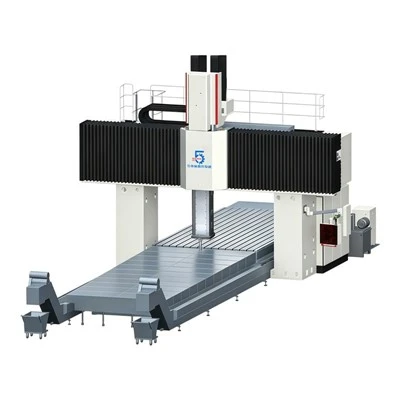
Now, let’s talk about common mistakes people make when upgrading. First, overbuying. I’ve had clients spend $10,000 on a servo motor upgrade for a gantry that just moves pallets—they didn’t need the precision, and a $2,000 BLDC would’ve done the job. Don’t assume more expensive is better. Second, skipping compatibility checks. You can’t just buy a new motor and plug it into your old control system. Make sure all parts work together, or you’ll end up wasting money and time. Third, forgetting downtime. If you’re upgrading your gantry, schedule it for a slow period—like a warehouse’s off-season, or a manufacturing plant’s maintenance shutdown. No one wants to upgrade during a busy week and lose production time. Fourth, not getting professional help. Sure, you could try to do this yourself, but a botched upgrade can lead to a gantry that’s even less reliable, or a safety hazard. A good supplier will not only sell you the parts but also help you install them, or connect you with a technician who knows your gantry model.
CNC Gantry Boring Mill At the end of the day, upgrading your moving beam gantry is all about targeting the parts that are holding your operations back. It’s cheaper than replacing, faster to implement, and lets you customize exactly what you need. If you’re not sure where to start—whether you’re dealing with slow performance, maintenance headaches, safety concerns, or all of the above—reach out, we can walk through your gantry’s specs, talk through what upgrades make sense for your workflow, and help you avoid the mistakes I’ve seen so many people make. You don’t have to do this alone, and you don’t have to spend more than you need to to get a gantry that works as hard as you do.
References
- Occupational Safety and Health Administration (OSHA). Material Handling Equipment Standards, 2022.
- Industrial Automation Association. Guide to Gantry System Upgrades, 2021.
- Motion Control Online. Brushless DC vs. Servo Motors for Industrial Gantries, 2023.
- Warehousing Education and Research Council. Optimizing Material Handling Equipment for 24/7 Operations, 2022.
5Axis (Shandong) CNC Equipment Co., Ltd.
As one of the most professional moving beam gantry manufacturers and suppliers in China, we also accept customized orders. Please feel free to buy cheap moving beam gantry for sale here from our factory. For price consultation, contact us.
Address: No.2000, Beixin West Road, Jinghe Street, Tengzhou City, Zaozhuang City, Shandong Province
E-mail: summer@good5axis.com
WebSite: https://www.china5axis.com/
