If you’ve ever tended a small vegetable patch, a set of potted flowering plants on a balcony, or a compact herb garden in your backyard, you’ve likely spent hours searching for the right tool to get the job done without wasting water, over-spraying delicate foliage, or straining your back with manual sprayers. As a supplier of manhole sprayers—heavy-duty, industrial-grade units designed for cleaning underground sewer manholes, flushing debris, and maintaining municipal infrastructure—I get a lot of questions: Can this big, tough machine really work for a tiny home garden? Manhole Sprayer
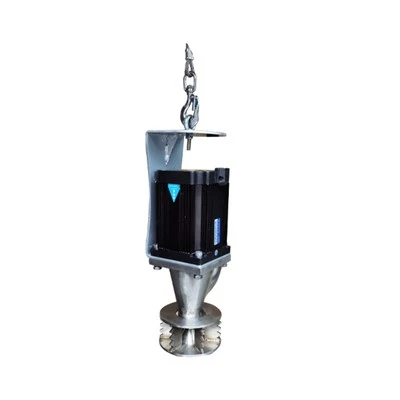
The short answer is: yes, it can—with a few important caveats, and no, it’s not as counterintuitive as it sounds. To get there, we need to break down what a manhole sprayer is, how it works, how it translates to small garden needs, and the real-world benefits (and drawbacks) of adapting this industrial tool for home or hobby garden use.
First, let’s set the basics. A standard manhole sprayer is a self-contained, trailer-mounted or stationary unit built to deliver high-pressure, high-volume water (or sometimes chemical treatments, like pipe sealants or degreasers) to hard-to-reach, confined spaces. Unlike a garden hose nozzle, which maxes out around 50 to 100 PSI, manhole sprayers typically operate at 1,000 to 3,000 PSI—powerful enough to blast caked-on grease from pipe walls or clear blocked drain lines. They come with heavy-duty hoses that can stretch 50, 100, or even 200 feet, making them perfect for accessing manholes 10 feet below ground or scattered utility sites across a city. On board, they usually have large water tanks (100 gallons, 200 gallons, up to 500 gallons for commercial units) to reduce refills mid-job.
At first glance, that power and scale seems totally out of place for a 4×4 foot herb garden or a row of tomato plants in a suburban backyard. But let’s match manhole sprayer features to common small garden tasks, and see where the overlap exists.
Let’s start with the biggest pain point for small garden owners: watering efficiently. Many home gardeners either overwater, leading to root rot and fungal growth, or underwater, leaving plants stressed and stunted. High-pressure sprayers (adjusted to a low-pressure setting) can deliver a precise, targeted stream of water directly to the root zone, reducing evaporation by up to 60% compared to a standard garden hose. Because manhole sprayers have variable pressure regulators—designed for adjusting between high-power blasting and soft flushing—you can dial the pressure down to as low as 15 PSI, which is gentle enough for seedlings, tender leafy greens, and hanging baskets. The large tank means you can water a 1,000-square-foot garden in one trip, no stopping to drag a hose around the yard or refill a 5-gallon bucket multiple times. For gardeners with sloped yards, too, the consistent flow and wide hose reach (most manhole sprayers come with 100-foot hoses, easy to extend with a compatible garden hose adapter) mean you don’t have to lug heavy watering cans up steps or worry about uneven coverage on hillsides.
Next, pest and disease control. Small gardens are especially vulnerable to aphids, spider mites, and powdery mildew—pests that can spread quickly and ruin a season’s harvest. Manhole sprayers are often designed to handle both water-only applications and chemical treatments, like organic neem oil spray or horticultural soaps, which are common for organic garden pest control. Because the sprayer’s internal mixing system is calibrated to dilute chemicals evenly, you won’t end up with unevenly concentrated sprays that burn leaves or fail to kill pests. For small gardens, this means you can apply a uniform, thorough coat of treatment to every plant in a fraction of the time it takes with a handheld spray bottle. Unlike small, plastic garden sprayers, which often clog or leak when using thicker organic solutions, manhole sprayers’ heavy-duty internal filters and large-diameter hoses are designed to handle thick, non-corrosive liquids without clogging, making them ideal for regular maintenance applications.
Then there’s hardscape and garden bed maintenance. Small gardens often include patios, walkways, and raised beds that get caked with mud, bird droppings, or plant debris throughout the growing season. The adjustable high-pressure setting on a manhole sprayer is perfect for cleaning these areas without scrubbing by hand. Unlike a power washer (which is a separate tool, often too intense for delicate garden surfaces), a manhole sprayer’s regulated pressure lets you switch between a soft flush for seedling beds and a 500 PSI blast for scrubbing concrete walkways. This eliminates the need for multiple tools, saving storage space and money for hobby gardeners who don’t want to invest in a separate power washer, handheld sprayer, and watering system.
Now, before you go rushing to rent a manhole sprayer for your tomato plants, it’s critical to address the drawbacks and the key considerations that make this a good fit for some small gardeners and not others.
First, size and portability. Most standard manhole sprayers are trailer-mounted, weighing 1,000 to 2,000 pounds when full. They’re not built to fit through a standard backyard gate, or to maneuver on a small suburban driveway. If you have a tiny urban garden on a balcony or a 200-square-foot backyard, a full-size trailer-mounted manhole sprayer is way too big and impractical. That said, we now offer compact, skid-mounted manhole sprayers designed for small commercial applications (like roadside flower beds or small community gardens) that weigh only 300 pounds when empty, and can be mounted to the back of a pickup truck or even a heavy-duty golf cart. For hobby gardeners, this compact model is the sweet spot—small enough to store in a garage, light enough to move around the yard, but still powerful enough for most garden tasks.
Second, pressure adjustment. The biggest mistake people make when adapting a manhole sprayer to gardens is leaving the pressure set too high. At 3,000 PSI, a manhole sprayer will blast through the leaves of lettuce, squash, and young tomato plants, turning a garden into a muddy mess. But when adjusted to 15 to 50 PSI—easy to do with the sprayer’s built-in pressure regulator—you get a gentle, even spray that’s safe for all plant types. It’s important to test the pressure on a small, inconspicuous area of your garden first before spraying all your plants, just to make sure the setting is right. Also, avoid spraying directly at the base of tree trunks or the roots of young shrubs with high pressure, as this can erode soil around root systems.
Third, water and chemical compatibility. While manhole sprayers are designed to handle a range of liquids, it’s important to use garden-safe solutions only. Never use harsh industrial chemicals, like drain cleaners or degreasers, on your garden—even if the sprayer is built for that. For organic gardeners, stick to neem oil, insecticidal soaps, and liquid fertilizers, which are formulated to be safe for plants and easy on sprayer components. If you’re using fertilizer, flush the sprayer’s tank thoroughly with water after use to prevent leftover nutrients from building up and clogging the internal filters over time.
Fourth, cost. A full-size industrial manhole sprayer can cost $5,000 or more, which is out of reach for most hobby gardeners. But our compact, skid-mounted models designed for small gardens start at around $1,200—less than many high-end garden power washer and irrigation system combinations. For gardeners who spend hundreds of dollars a year on multiple tools, and countless hours watering and pest-controling by hand, the upfront cost can pay for itself in a single growing season. For temporary use, you can also rent a compact manhole sprayer from most equipment rental yards for around $100 a day, if you only need it for seasonal tasks like spring cleaning and pest treatment.
Let me also share a real example from a customer of mine, a small-scale urban farmer in Portland, Oregon, who has a 800-square-foot backyard garden growing herbs, tomatoes, and leafy greens. She used to spend 3 hours a day watering with a garden hose and 2 hours a week scrubbing her patio and raised beds by hand. After testing a compact manhole sprayer last year, she switched to using it for all her garden tasks. “I cut my garden maintenance time in half,” she told me. “I can water all 800 square feet in 10 minutes, apply neem oil to all my plants in 15 minutes, and clean the patio in 5 minutes. The only adjustment I had to make was turning the pressure way down—at first, I blasted a few lettuce leaves, but once I got the setting right, it’s perfect. I even use it to clean my bird bath and the exterior of my greenhouse.”
That real-world use case drives home the point: manhole sprayers aren’t just for municipal infrastructure. Their core design—high volume, adjustable pressure, large tank capacity, and durable construction—makes them surprisingly versatile for small garden use, as long as you pick the right size model and adjust the pressure appropriately.
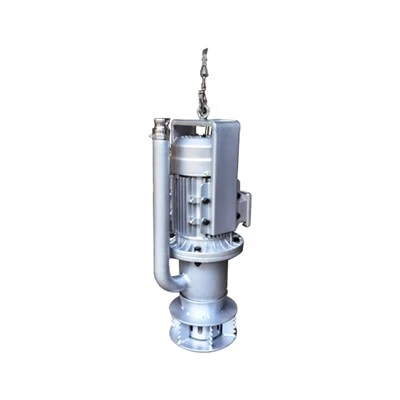
Of course, they’re not for everyone. If you have a tiny balcony garden with potted plants only, a compact handheld sprayer (similar in design to the small sprayers we use for minor manhole spot treatments) might be a better, more affordable fit. If you’re a casual gardener with a 10×10 foot plot who only needs to water once a week, a standard garden hose and nozzle will work just fine. But if you have a medium to large small garden (500 square feet or more), grow organic vegetables or flowers, and value time and efficiency over the lowest upfront cost, a compact manhole sprayer is a game-changing tool.
Trenchless Pipe Lining Sprayer Now, if you’re interested in exploring whether a manhole sprayer is right for your small garden, we’d love to help. We work with individual hobby gardeners, small community gardens, urban farmers, and even botanical gardens to match them with the right model, provide guidance on pressure settings for garden use, and offer maintenance tips to keep your sprayer running for years. Whether you’re looking to buy a compact skid-mounted model for permanent use, or rent one for a seasonal project, we can walk you through the options to find what fits your space and needs. Don’t hesitate to reach out to discuss your garden’s size, your regular maintenance tasks, and any questions you have about adapting a manhole sprayer for garden use.
References
- USDA Agricultural Research Service. (2021). Efficient Water Application for Small Scale Horticultural Systems. Agricultural Engineering International: CIGR Journal.
- Environmental Protection Agency. (2020). Organic Pest Control for Home Gardens. Office of Pesticide Programs.
- International Society of Arboriculture. (2019). Pressure Washing Guidelines for Urban Landscapes. Arboriculture & Urban Forestry.
- National Home and Garden Association. (2022). 2022 Small Garden Tool Trends Report. NHGA Research Division.
- Water Efficiency Landscape Council. (2021). Reducing Evaporation in Residential Irrigation. WE-LC Technical Bulletin.
Zhejiang Wengong Intelligent Technology Co., Ltd.
Zhejiang Wengong Intelligent Technology Co., Ltd. is one of the most professional manhole sprayer manufacturers and suppliers in China. With abundant experience, we warmly welcome you to buy durable manhole sprayer made in China here and get quotation from our factory. Quality products and reasonable price are available.
Address: No.111 Huakang Road, Liuao Village, Qiaoxia Town, Yongjia County, Wenzhou City, Zhejiang Province, China
E-mail: sales007@cngcjx.com
WebSite: https://www.wallgoe.com/
