If you’ve ever walked through a hospital central sterile processing department (CSPD) or a clinical laboratory, you know how critical ethylene oxide (EtO) sterilization is for heat-sensitive medical devices—think endoscopes, surgical instruments, and implants that can’t stand up to autoclave steam. But as a supplier of hospital lab EtO sterilizers, I’ve spent years talking with operators, lab managers, and safety officers, and one question always rises to the top: How do we make sure the people running these machines don’t get exposed to this powerful, yet hazardous, chemical? EtO is a proven sterilant, but its toxicity—long-term exposure can cause respiratory issues, nervous system damage, and even reproductive harm—means safety isn’t just a box to check; it’s non-negotiable. Over the years, I’ve worked with hundreds of labs to refine operational practices that balance effective sterilization with operator protection, and today I’m sharing the insights we’ve learned together. Hospital Laboratory EtO Sterilizers
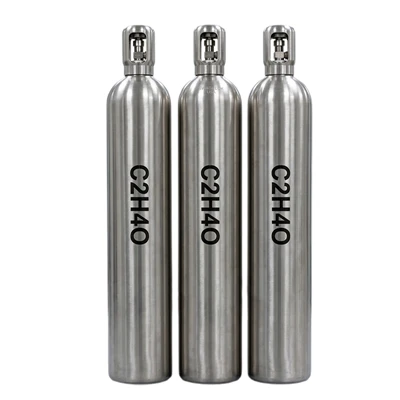
First, it starts before an operator ever turns on the sterilizer: proper equipment selection and installation. A lot of labs opt for the cheapest EtO unit on the market, but that often means cutting corners on built-in safety features. For example, modern EtO sterilizers should have integrated gas detection sensors that monitor ambient air for EtO levels in real time, not just at one point in the room. I’ve seen too many old, outdated units that rely on manual air testing once a shift, which leaves gaps—if a leak happens between tests, operators might inhale toxic gas without knowing it. Good units also have automatic gas shutoff valves that trigger immediately if sensor levels exceed the Occupational Safety and Health Administration (OSHA) permissible exposure limit (PEL) of 1 part per million (ppm) for an 8-hour time-weighted average (TWA). Beyond the machine itself, installation matters. Many labs place sterilizers in a corner with no ventilation planning, but we always recommend installing units in a dedicated, negative-pressure room with dedicated exhaust systems that vent EtO outside the building, not through a common hallway. If your lab is renovating, don’t skip the ventilation audit—we’ve had labs that moved a sterilizer without checking airflow, and ended up with gas accumulating in adjacent supply rooms, putting entire teams at risk.
Next, operator training isn’t a one-and-done orientation; it’s ongoing, hands-on education that covers every step of the process. I once visited a community hospital lab where a new technician accidentally opened the sterilizer door mid-cycle because she was distracted by a page, and ended up inhaling a burst of EtO. That lab had done a 1-hour training when they first got the unit, but they never refreshed it on cycle protocols. Today, we require every lab to schedule monthly 30-minute refreshers, plus annual hands-on simulations that include emergency scenarios. These simulations should walk operators through recognizing a faulty seal on the sterilizer chamber, responding to a gas alarm, and properly ventilating the chamber before unloading. Training also needs to cover the finer details: for example, never loading more items than the unit’s rated capacity—overloading can damage seals, cause leaks, and lead to uneven sterilization and higher gas emissions. We also teach operators to inspect the chamber door gasket every day before use, looking for tears, debris, or buildup of residue that could break the seal. A small piece of cotton left on the gasket is enough to create a gap that lets EtO escape, so that quick check is a 30-second step that prevents a lot of risk.
Personal protective equipment (PPE) is the last line of defense, but it’s important to note that it should never replace the engineering and operational controls I mentioned earlier. That said, when operators are working with EtO, the right PPE is non-negotiable. For starters, every lab should provide half-face or full-face respirators with organic vapor cartridges rated for EtO—surgical masks don’t cut it; they don’t block gas molecules. Gloves are another critical piece: nitrile gloves are better than latex or vinyl for EtO resistance, but operators should change gloves immediately if they get torn or contaminated, and never reuse gloves. I’ve seen labs where operators skip respirators because they claim they “only unload the sterilizer for a few minutes,” but even short-term exposure to high EtO levels can cause dizziness, nausea, or headaches. We also recommend that operators wear disposable gowns and eye protection when unloading, to prevent gas from coming into contact with skin or eyes. And a rule we enforce with all our clients: no operator should enter an EtO room alone during a cycle, or if the alarm sounds. Having a buddy means someone can call for help if a leak happens, and no one is exposed without backup.
Cycle validation and routine maintenance are also key to keeping operators safe. EtO sterilization relies on precise parameters: gas concentration, temperature, humidity, and exposure time. If a unit is out of calibration, it might need more gas to achieve sterilization, leading to higher emissions, or it might not reach the required concentration, meaning you have to run extra cycles to make up for it, increasing operator exposure time. We work with every client to schedule quarterly calibration checks, including gas concentration sensors and temperature probes. Routine maintenance also includes replacing worn seals, hoses, and filter cartridges—many operators forget that the exhaust filters on EtO units need to be changed every 6 months, or sooner if the lab runs high volumes of cycles. A clogged filter can cause EtO to back up into the room, which is a major safety hazard. We also help labs keep detailed cycle logs, which are not just for regulatory compliance; they help identify patterns—like if a certain machine is triggering gas alarms every other week, that’s a sign of a seal problem that needs to be fixed before it leads to a serious exposure.
Emergency preparedness is another area that a lot of labs overlook. What happens if a gas leak is detected, or an operator gets exposed? We recommend that every lab has a written EtO exposure plan that’s posted in the sterilizer room, and that all operators know how to follow it. The plan should include: where to go for emergency medical care (hospitals should have a list of providers trained in EtO exposure response), how to turn off the sterilizer and seal the gas supply in case of a major leak, and how to test the room for residual gas after an emergency. We also encourage labs to conduct annual emergency drills, so that operators don’t freeze up during a real event. For example, one of our larger hospital clients used to hold drills only once a year, but after a leak scare a few years ago, they started doing semi-annual drills, and last year a team caught a small leak mid-cycle, shut down the unit, and ventilated the room in less than five minutes—no exposure, no downtime.
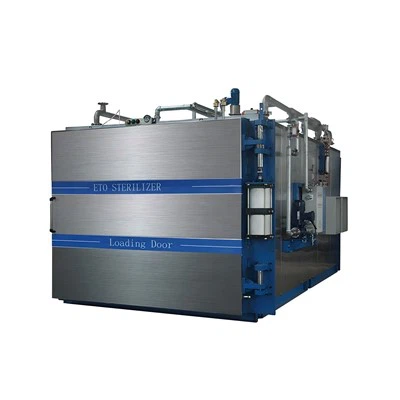
At the end of the day, safety is a team effort between the sterilizer supplier, lab managers, and operators. I’ve seen labs that prioritize safety and have zero EtO exposure incidents, and others that cut corners and deal with alarms, violations, and even health issues. If you’re looking to upgrade your hospital lab’s EtO sterilizer, or just want to refine your current safety practices, we’re here to help. We offer hands-on safety audits for existing units, customized training sessions for operators, and units built with the latest safety features to minimize exposure. If you’re ready to discuss how to make your EtO sterilization operations as safe as possible, feel free to reach out to our team to set up a consultation. We’ll work with you to assess your space, review your current protocols, and find solutions that fit your lab’s needs.
Scrubber References
- Occupational Safety and Health Administration (OSHA). Ethylene Oxide (EtO) Safety Guidelines for Healthcare Facilities. 2021.
- Association for the Advancement of Medical Instrumentation (AAMI). Technical Report on EtO Sterilization Safety in Hospital Laboratories. 2022.
- Centers for Disease Control and Prevention (CDC). Health Effects of Ethylene Oxide Exposure in Healthcare Workers. 2020.
- International Organization for Standardization (ISO). ISO 11135: Sterilization of Health Care Products—Ethylene Oxide Requirements for the Development, Validation, and Routine Control of a Sterilization Process for Medical Devices. 2014.
- National Institute for Occupational Safety and Health (NIOSH). Preventing Occupational Exposures to Ethylene Oxide in Hospital Sterile Processing Departments. 2019.
Hangzhou Riches Engineering Co., Ltd.
Hangzhou Riches Engineering Co., Ltd. is one of the most professional hospital laboratory eto sterilizers manufacturers and suppliers in China, specialized in providing high quality custom service and ODM service. We warmly welcome you to buy high-grade hospital laboratory eto sterilizers for sale here from our factory.
Address: No. 368, Wenjiao Road, Fuyang District, Hangzhou
E-mail: jason@riches-company.com
WebSite: https://www.eto-sterile.com/
