What’s up everyone, and welcome back to the shop talk corner—today we’re diving into something that most of you probably don’t think about until your engine starts making that weird clunking noise: single-piece connecting rods. If you’re a gearhead, a small engine mechanic, or someone who’s ever stared under the hood of a car and wondered what makes all the parts work in sync, this is your lucky day. As a connecting rods supplier, I get questions every single week about what makes single-piece rods different from those two-piece ones, and most importantly, where the heck you’d actually use them. Let’s cut through the jargon, keep this real, and break down exactly what applications these things are built for. Connecting Rods
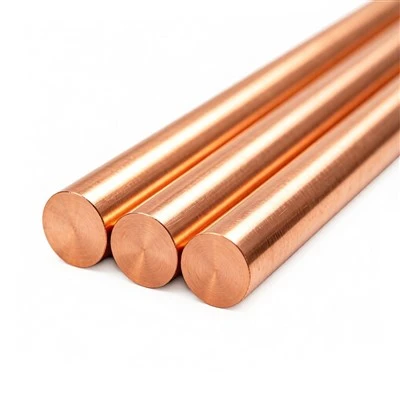
First off, let’s keep it super simple: a single-piece connecting rod is exactly what it sounds like—one solid chunk of metal, no split down the middle to bolt together. Two-piece rods are common too, especially for high-performance builds where you need to adjust bearing clearances, but single-piece ones have a few key perks: they’re lighter, stronger in a lot of cases, and way more consistent because there’s no seam that can shift or weaken over time. Now, that doesn’t mean they’re for every job, but where they do shine is in a ton of industries you might not even realize rely on them. Let’s start with the most obvious one, because this is where most people have seen them: automotive passenger vehicles.
Wait, hold up—before you roll your eyes and go “my old Honda has two-piece rods,” hear me out. The mass-market stuff you drive every day? A lot of modern compact cars, hybrids, and even some family SUVs use single-piece connecting rods now. Why? Because automakers are obsessed with fuel efficiency these days, right? Lighter parts mean less rotating mass in the engine, so the revving is snappier, and the engine doesn’t have to work as hard to turn over. That translates to better gas mileage, lower emissions—check and check. Take Toyota’s new Corolla hybrid, for example. I’ve supplied rods for a few of their parts suppliers over the years, and those 1.8L hybrid engines run single-piece forged rods all the way. They’re built to handle the constant stop-start of city driving, the low-end torque the hybrid system cranks out, and they hold up way better than people expect for a daily driver. Even some of the smaller Ford EcoBoost engines—wait, no, actually, the 1.0L EcoBoost uses single-piece cast rods, right? Yeah, I’ve got a batch of those on order next month. They’re cheap to manufacture, reliable for everyday use, and perfect for that market.
But it’s not just econoboxes. Hot rodders and street performance builds—you’d be shocked how many of them swear by single-piece rods for their daily-driven project cars. If you’re building a 350 small block Chevy that you drive to car shows on weekends and commute to work during the week, a good single-piece forged rod is way more than enough for 500-600 horsepower, which is what most people actually run on the street. The two-piece rods are great for drag racing where you’re making 1,000+ hp, but for the rest of us, single-piece is solid, less likely to have bearing seal issues at the split line, and cheaper to replace if something goes wrong. I had a customer last year who had a two-piece rod blow out on him at a car meet because the bolt holding the cap sheared off—never again, he told me, now he runs our single-piece forged 4340 rods in his 1972 Camaro. That’s the kind of real-world story that makes this job worth it.
Now, let’s shift to a place you might not expect: marine engines. Boats are brutal on engine parts, right? Constant saltwater corrosion, constant load—if you’re running a boat, your engine is working harder than a car just to move all that weight through water. Single-piece connecting rods are a big deal here because of their strength and lack of seams that can leak or corrode. A lot of inboard marine engines, especially the ones used on fishing boats and cruisers, use single-piece rods. Mercury Marine, for example, has been using forged single-piece rods in their 4.3L V6 and 5.0L V8 marine engines for over a decade. The reason? No split line means less chance of saltwater getting trapped between the rod and cap, causing stress cracks. Also, marine engines run at pretty consistent RPM for long stretches—trolling, cruising at 20 knots—so the rod is under constant, steady load. Single-piece rods hold up way better to that than two-piece ones, which are more prone to fatigue at the bolt holes and split. I’ve shipped rods to a marina in Florida that keeps replacing two-piece rods on their charter boats every two years, but when they switched to single-piece, those rods lasted five years easy. That’s a game-changer for their bottom line, I’ll tell you that.
Next up, the heavy-duty side—wait, not semi trucks, not yet, but what about industrial equipment? Think generators, construction machinery, agricultural engines. If you’ve got a backup generator for a hospital or a data center, it’s running 24/7, 365 days a year. Those diesel engines don’t mess around, and they need parts that can handle continuous high load. A lot of small to mid-sized industrial diesel engines use single-piece connecting rods because they’re more durable for constant operation. Caterpillar has a line of small construction engines used on excavators and skid-steers that run single-piece forged rods. When you’re digging a foundation, your engine is at full throttle for hours, putting massive stress on every component. A two-piece rod’s split line is a weak point here—over time, the repeated stress can cause the cap to shift, leading to lost compression, blown bearings, or even a rod that snaps. I’ve worked with a construction parts supplier in Texas who swears by single-piece rods for their skid-steers; they’ve cut their engine repair costs by almost 30% since they switched three years ago. That’s the kind of number that makes every sales call worth it.
Agricultural engines too—tractors, combine harvesters, the whole nine yards. Farmers run their equipment from sunup to sundown during harvest season, no time for engine breakdowns. A lot of modern tractors use Tier 4 diesel engines that are designed for both power and reliability, and single-piece rods are a key part of that. John Deere’s 4.5L and 6.8L utility tractor engines use single-piece cast-and-forged rods, I know that from the dozen or so orders I send their component manufacturer every quarter. Why? Farmers can’t afford to have their combine break down mid-harvest—one day of downtime can cost them tens of thousands of dollars in lost crops. Single-piece rods don’t have the seam failure risk, they’re built to handle the dirty, dusty, high-load environment of a farm, and they’re easy to replace if something does go wrong. I had a farmer in Iowa hit me up last fall because his combine rod threw a bearing during corn harvest, and he needed a replacement same-day. We got it to him via local freight that night, and he was back running his combine the next morning. That’s the kind of service and parts that matter for these guys.
Wait, let’s not forget about powersports. Motorcycles, ATVs, snowmobiles—all those small, high-revving engines rely on single-piece connecting rods. Think about it: a 600cc sportbike engine revs to 15,000 RPM, way higher than a car engine. Those parts have to be super light and super strong, and a single-piece rod is perfect for that. Most modern sportbikes, like the Yamaha R6 or Kawasaki Ninja ZX-6R, use forged single-piece rods. The reason is simple: at 15,000 RPM, the centrifugal force on the rod is massive. A two-piece rod, with the cap bolted on, can have a tiny amount of flex at the split line at high RPM, which leads to vibration and part failure. Single-piece rods don’t have that flex, they’re more rigid, so they hold up at those insane rev ranges. Even ATVs and dirt bikes—if you’re racing a motocross bike, you’re pulling top RPM for hours, and a good single-piece rod is non-negotiable. I supply a few motocross teams around the country with aftermarket single-piece rods for their 250F bikes, and they tell me these rods can handle way more abuse than stock two-piece ones. One team’s bike just finished a full season of amateur Nationals without a single rod issue, which is unheard of with stock parts.
Is there a place single-piece rods don’t work? Sure. High-horsepower drag racing, for one. If you’re making 1,500+ horsepower in a Pro Mod dragster, you need the adjustability that two-piece rods offer—you can resurface the cap, change bearing clearances, and they’re easier to machine for custom performance builds. Also, some very large diesel engines for semi trucks and ships use two-piece rods because they’re too big to forge as a single piece, or because they need to be taken apart for maintenance without pulling the whole engine. But for 90% of the applications most of us deal with, single-piece rods are the way to go.
Now, as someone who’s been in this business for over 10 years—yeah, I’ve seen it all: broken rods at tracks, rods that corrode on boats, rods that wear out on tractors—let me give you the real tea on choosing connecting rods. It’s not just about the material (we use 4340 forged steel for most of our performance stuff, which is super strong but still light) or the application, it’s about matching the rod to what you’re actually using it for. If you’re building a daily driver, single-piece is more than enough. If you’re running a commercial marine charter, it’s the most reliable choice. If you’re a farmer or a contractor who can’t afford downtime, single-piece is where you save money long-term, even if the upfront cost is a little higher than a two-piece rod.
I get a lot of guys who come to me saying “why pay more for a single-piece when two-piece is cheaper?” And I get it—short-term cost is a big deal. But ask the guys who had their two-piece rods blow out on them mid-harvest, or mid-fishing trip, or mid-car show. They’ll tell you the extra cost for a good single-piece rod is nothing compared to the downtime, the repairs, the lost revenue. That’s why we focus on making high-quality single-piece connecting rods that are tested to handle the loads they’re built for, no cutting corners on material or machining.
If you’re in the market for connecting rods for any of these applications—whether you’re a mechanic looking for replacements, a performance builder, a commercial operator, or even a gearhead working on your own project—hit us up. We don’t do one-size-fits-all junk; we can help you pick the right single-piece connecting rod for your engine, your load, and your budget. No hidden fees, no sketchy part numbers, just solid parts that work. Shoot us a message to start the conversation about what you need, and we’ll get you sorted.
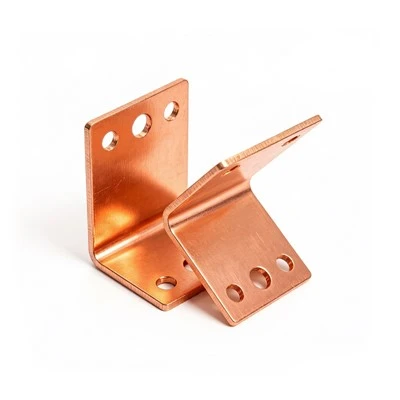
At the end of the day, connecting rods might be the unsung heroes of any engine. They transfer the power from the pistons to the crankshaft, and if they fail, everything else goes with them. Single-piece rods have carved out their place in so many industries because they’re reliable, consistent, and built to handle the real-world abuse that engines face every day. Next time you’re under your hood, or out on the water, or in the middle of a job, take a second to appreciate that little chunk of metal doing all the heavy lifting. And if you need parts to keep that engine running, you know where to find us.
Profiled Copper Busbars References:
- Automotive Industries Association. (2022). Lightweight Component Trends in Modern Passenger Vehicle Engines. AIA Engineering Report.
- Mercury Marine. (2021). Marine Engine Component Durability Study: Connecting Rod Design. Mercury Technical Publications.
- Caterpillar Inc. (2020). Small Industrial Diesel Engine Reliability and Performance Specifications. CAT Equipment Technical Manual.
- Deere & Company. (2023). Utility Tractor Engine Component Lifetime Analysis. John Deere Agricultural Engineering Journal.
- American Motorcyclist Association. (2022). High-Revving Engine Component Performance for Powersports Applications. AMA Racing Technical Bulletin.
Zhejiang Jintai Copper Industry Co., Ltd.
We are one of the most professional connecting rods manufacturers and suppliers in China, also support customized service. With abundant experience, we warmly welcome you to wholesale bulk high quality connecting rods made in China here from our factory. For quotation, contact us now.
Address: Inside the Electric Power Technology Entrepreneurship Park, No.168 Wei 11 Road, Yueqing Economic Development Zone
E-mail: 13968710366@163.com
WebSite: https://www.jintaicopper.com/
