If you’ve ever shopped for outdoor fixed LED displays, you’ve probably noticed how easy it is to get caught up in specs—pixel pitch, brightness, weather resistance, maybe even energy efficiency. Those details matter, of course, but one of the most overlooked (and critical) parts of your purchase is the warranty. As someone who’s been supplying outdoor fixed LED displays for over a decade, I’ve seen far too many clients get burned by vague warranties that don’t cover real-world issues they end up facing a year down the line. Let’s pull back the curtain on what actually comes with these displays, how to parse the fine print, and what to look for when you’re signing on the dotted line. Outdoor Fixed LED Display
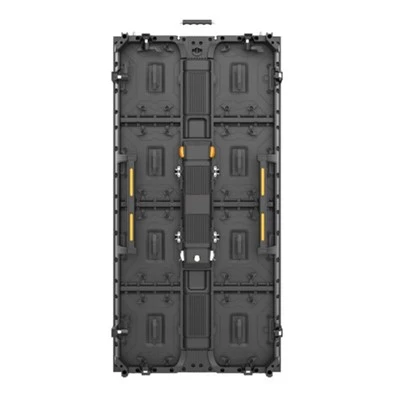
First, let’s ground this in what outdoor fixed LED displays are. Unlike portable LED screens you haul to events, these are mounted permanently—on building facades, stadiums, retail storefronts, highway billboards, even public transit hubs. They live 24/7 in harsh conditions: extreme heat in the desert, freezing rain and snow in the Northeast US, UV rays that fade coatings fast, and even sudden wind gusts that can jostle internal components. That’s why their warranties aren’t one-size-fits-all; they’re tailored to the specific challenges these displays face day in and day out.
The most basic warranty every reputable supplier offers is the standard LED panel warranty, and this is where you’ll see the biggest differences. A few years back, I’d have told you most panels came with a 3-year warranty, but that’s shifted as LED tech has improved. Now, the average for a mid-tier outdoor fixed display panel is 5 to 7 years, and high-end displays for commercial or public use often come with a 10-year panel warranty. But here’s the catch: this warranty isn’t just “we’ll replace any broken LED.” It’s based on the failure rate of LEDs, usually measured in “lumen maintenance.” The industry standard is that LEDs need to maintain at least 70% of their original brightness after 50,000 hours of use—something called L70. A good warranty will cover defects that cause an LED to drop below that threshold before the warranty period ends. A bad warranty, though, might only cover 50% lumen maintenance, or exclude “environmental damage” that’s actually tied to poor panel design (like not sealing the circuit boards well enough to keep moisture out). I’ve had clients come to me after a storm, saying their new display’s warranty wouldn’t cover dead LEDs because the supplier blamed “excessive rain”—only to show me the panel’s seal was obviously defective, not the rain. That’s the kind of fine print you have to watch for.
Next, there’s the structural and mechanical parts warranty, which covers everything that holds the display together and keeps it running beyond the LED chips. Outdoor fixed displays aren’t just a flat panel; they’re made of modules, a cabinet frame, power supplies, drivers, and a ventilation system (critical for keeping the display cool in direct sun). The warranty for these parts is usually shorter than the panel warranty—2 to 5 years is standard—but it should cover defects in manufacturing, not wear and tear from improper installation. For example, if a cabinet’s frame rusts through after 3 years because the supplier used cheap galvanized steel instead of marine-grade aluminum, that’s on them. But if the cabinet rusts because you mounted it near a saltwater coast and didn’t get a saltwater-resistant coating, that’s probably excluded. Power supplies and drivers are the next most common parts to fail, especially if they’re not rated for outdoor use. A quality supplier will make sure these components are IP65 or higher rated (Ingress Protection rating, meaning they’re dust-tight and protected against low-pressure jets of water from any direction) and cover them for at least 3 years. I once worked on a project where a client bought a cheap display that had IP55 power supplies—by year 2, half the power supplies failed because of humidity, and the warranty only covered 1 year. It cost them $12,000 to replace them, and they still had to do emergency repairs for 6 months before they realized they’d gotten a bad deal.
Then there’s the labor and on-site service warranty, which is where many suppliers cut corners. The panel and parts warranty are useless if you can’t get someone to fix the display without paying out of pocket. Some cheap suppliers will only ship you replacement parts and leave you to install them yourself, even if you’re not a technical team with experience working 20 feet up a building facade. A reliable supplier will offer at least 1 year of free on-site labor for repairs under warranty, and some go as far as offering 2 years—especially for large installations like stadium displays or highway billboards, where downtime can cost tens of thousands of dollars per day. I remember a client in Florida who had a display for a new mall; right before the grand opening, a driver failed, and a supplier that’s no longer in business only sent a part and didn’t offer labor. The client had to hire a crane and a technician on a weekend, costing them $8,000, and they lost revenue from a dead billboard during their busiest week. That’s why labor is just as important as the parts it covers.
Now, what about the fine print everyone skims? Let’s talk about the things that can void your warranty before you even need to use it. First, improper installation. Most outdoor fixed LED displays require professional installation, especially for displays over 10 square meters. If you hire a handyman who doesn’t have experience with LED mounting and they skip a ground wire or use the wrong voltage, that can void the entire warranty. A good supplier will require that installation be done by a certified technician, and some even offer installation services themselves to avoid this issue. Then there’s regular maintenance. Believe it or not, many warranties require you to do annual inspections and cleaning to keep the warranty valid. It’s not a scam—it’s because outdoor displays get dust, bird droppings, and grime on them, which can cause overheating and component failure. If you never clean the display, the supplier can say the failure was from lack of maintenance, not a defect. I always remind my clients that annual maintenance costs a few hundred dollars, but skipping it can mean a $10,000 repair bill.
Another common exclusion is “acts of God”—but even here, reputable suppliers carve out reasonable coverage. A hurricane or a tornado is an act of God, but a heavy thunderstorm that causes a power surge is not. A good warranty will cover damage from power surges, which are extremely common in outdoor settings because of lightning. Cheap suppliers often exclude power surges, forcing you to buy a separate surge protector for thousands of dollars, but my displays come with built-in surge protection that’s covered under the warranty. I had a client last year in Texas who had a lightning strike hit a nearby power line; a cheap display he installed 6 months prior had all drivers fried and the supplier said power surges were excluded. The display I supplied to another client 2 miles away had zero damage, because the built-in surge system caught it—and the warranty covered a free replacement if it had failed.
Now, what about extended warranties? For large installations, like a 50-square-meter display on a hotel facade or a stadium, extended warranties are a smart investment. Most suppliers offer extended coverage for up to 5 years beyond the standard warranty, covering panels, parts, labor, and even emergency service. I usually recommend extended warranties for clients who depend on the display for revenue—like retail stores that use it for ads, or stadiums that use it for game day. For example, a hotel’s revenue drops if their display goes dark during peak tourist season, and an extended warranty with 24/7 emergency service means a technician can be there within 4 hours, not 3 days. The cost of an extended warranty is usually 10-15% of the original display cost per year, and it’s worth every penny to avoid unplanned downtime.
Wait, but what about refurbished displays? I know some clients look for cheaper options, but it’s important to know that refurbished outdoor fixed LED displays almost always have shorter, more limited warranties. You might see a “2-year panel warranty” on a refurbished display, but it’s usually only for parts, no labor, and often only covers 50% lumen maintenance, not 70%. I’ve had clients buy a refurbished display for half the price, only to have it fail 18 months later, with no warranty coverage for labor or parts. It ended up costing them more in the long run than if they’d bought a new display with a full warranty from the start.
Let’s also talk about regional differences in warranties. If you’re in Europe, for example, some suppliers offer warranties that comply with CE standards, which have specific requirements for outdoor electronic equipment. If you’re in North America, you might see warranties that comply with FCC standards for electromagnetic compatibility. Working with a supplier that has experience in your region means they’ll tailor the warranty to local regulations, so you don’t have to deal with gaps. I’ve had clients in Canada who thought a display they bought from an overseas supplier had a full panel warranty, only to find out it didn’t cover temperatures below -20°C, which is standard in Canada but not a consideration for suppliers in warmer climates. That’s why it’s important to ask the supplier specifically about how the warranty applies to your local climate, not just what’s written on the spec sheet.
A lot of new clients ask me, “What’s the best way to verify a warranty is real, not just sales hype?” The answer is simple: ask for examples. A reputable supplier will have case studies of projects where they honored warranties, not just fine print that excludes every possible issue. I always give clients references of past projects, so they can call the facility manager and ask about warranty support. If a supplier hesitates to give references, or can’t provide specific examples of warranty claims they’ve handled, that’s a red flag. I also keep all my warranty terms clear and easy to read—no 50-page documents with 10 pages of exclusions. My warranty is a 2-page document that outlines exactly what’s covered, what’s not, and the process for filing a claim.
Let’s wrap this up with a common scenario I see all the time. A small retail store owner wants a display for their front window to show sales and promotions. They get quotes from three suppliers: Supplier A offers a 3-year panel warranty, parts only, no labor. Supplier B offers a 5-year panel warranty, 2-year parts and labor. Supplier C (that’s me) offers a 7-year panel warranty, 3-year parts and labor, plus annual maintenance checks included in the warranty for the first two years. The store owner might go with Supplier A because it’s $2,000 cheaper upfront. Then, 2 years later, a panel dies, and the store owner has to pay $1,500 for a part, plus $800 for a technician to climb a ladder and install it. Total cost for the first 5 years: $2,000 + $2,300 = $4,300. If they’d gone with Supplier C, the total cost for the display would be $500 more upfront, and no out-of-pocket costs for repairs in 5 years. That’s the value of a good warranty—it’s not just a promise, it’s a way to avoid hidden costs.
At the end of the day, the warranty on your outdoor fixed LED display is just as important as the display itself. It’s a safety net for when things go wrong, and it’s a reflection of a supplier’s confidence in their product. If you’re in the market for an outdoor fixed LED display, don’t just look at the price or specs. Read the warranty, ask questions about what’s covered, and make sure the supplier is someone who will stand behind their product for years to come.

If you’re ready to discuss your project and find a display that fits your needs, including the warranty that works for you, feel free to reach out and start a conversation. We can talk about your location, climate, usage, and tailor a display and warranty package that keeps your investment protected for years.
Creative LED Display References
- Ingress Protection (IP) Code – International Electrotechnical Commission (IEC) Standard 60529
- Lumen Maintenance Definitions – National Electrical Manufacturers Association (NEMA) Standard LP7-2019
- Outdoor LED Display Warranty Best Practices – LED Industry Association (LEDIA) Technical Brief 2022
- Structural Warranty Requirements for Permanent Outdoor Displays – American National Standards Institute (ANSI) Standard E1.5-2021
Shenzhen TrueColor LED Co., Ltd.
As one of the most professional outdoor fixed LED display manufacturers in China, we also support customized service. We warmly welcome you to wholesale durable outdoor fixed LED display for sale here from our factory. If you have any enquiry about cooperation, please feel free to email us.
Address: 3/F, Bldg A9, 10 Longyi Rd, Fuyong Sub-dist, Bao’an Dist, Shenzhen
E-mail: sales@truecolor-led.com
WebSite: https://www.truecolor-led.com/
