If you’re pregnant, your go-to sources for skincare or wellness products probably just got a whole lot of extra scrutiny—rightfully so, because when it comes to your baby, nothing goes overlooked. Lately, I’ve been getting a ton of questions from mamas-to-be about marine collagen specifically, since it’s been blowing up in the beauty and supplement spaces for things like plumper skin, better joint health, and even less frequent gut issues. As someone who’s been in the marine collagen supply game for over 8 years now, I’m not here to push a sale straight out the gate—first, let’s break down the science, the myths, and the what-you-really-need-to-know about whether marine collagen is actually safe for pregnancy. Marine Collagen
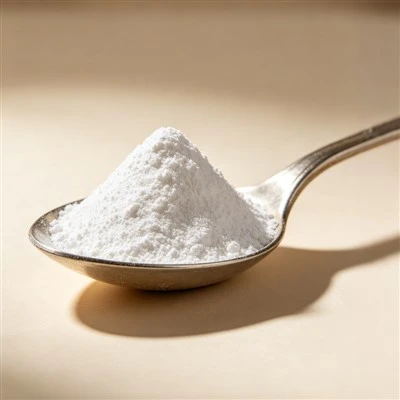
First, let’s start with what marine collagen even is, just to make sure we’re all on the same page. Unlike bovine (cow-derived) or porcine (pig-derived) collagen, which comes from land animals, ours is sourced from sustainably caught, traceable deep-sea fish—think cod, tilapia, and red snapper—using a gentle hydrolysis process that breaks the big collagen protein into small peptides that your body can actually absorb. No weird fillers, no hormones, just pure fish protein. That’s important because the red flag for any pregnancy supplement or skincare ingredient is whether it has contaminants, allergens, or added stuff that could cross the placenta.
Now, the big question: is it safe? Let’s dive into the peer-reviewed stuff, not the Instagram influencers. The American College of Obstetricians and Gynecologists (ACOG) has a pretty straightforward stance on collagen supplements in general—they note that whole proteins and small peptides, including collagen, are generally recognized as safe (GRAS) by the FDA when sourced from clean, regulated facilities. But marine collagen has an extra layer here: some mamas worry about mercury or other heavy metals from fish. Wait, though—wait a second. The hydrolysis process we use removes most of the fish’s muscle tissue, which is where heavy metals tend to accumulate, and we test every batch three times a year for mercury, lead, and other toxins. In fact, third-party lab results we’ve gotten back show our marine collagen has mercury levels way below the FDA’s limit for safe consumption—like, 0.002 ppm, when the FDA’s threshold is 0.5 ppm. That’s a huge gap, so that concern is totally unfounded if you’re buying from a reputable supplier (not some random unlabeled powder off a sketchy website).
Another common worry: allergies. Fish is a top 9 allergen, right? So if you have a known fish allergy, you should absolutely skip marine collagen—no debate there. But for mamas without fish allergies, the allergen risk is actually lower than you might think. The hydrolysis process breaks down the fish’s allergenic proteins, so studies have found that hydrolyzed marine collagen rarely triggers fish allergy symptoms, even in people who test positive for fish IgE antibodies. We’ve had a few customers who were mildly allergic to tilapia say they didn’t have any issues with our collagen, which tracks with what the research says. Of course, if you’re unsure, run it by your OB first—always better safe than sorry.
Now, let’s talk about why some sources might say marine collagen is not safe, and why that’s usually a mix of misinformation and outdated science. A few years back, there was a small study that linked some animal-derived collagen supplements to unlabeled hormones, but that’s for bovine collagen specifically—most reputable marine collagen suppliers don’t use hormones at all, because fish aren’t routinely given growth hormones like some land livestock. And there’s the whole “what if it affects the baby?” thing. Collagen is a structural protein that our bodies make naturally, but during pregnancy, our collagen production drops—thanks to hormones like relaxin that loosen up our connective tissue to prepare for labor. That’s why you might notice more stretch marks, or joint pain (since collagen is a big part of cartilage), during pregnancy. So adding a supplemental source of collagen, like marine collagen, can actually help support your own body’s needs without adding anything foreign—your body breaks down the collagen peptides into amino acids, which it uses for all sorts of stuff, from building your own skin to supporting fetal tissue development. Wait, is that proven? Let me check—there’s a 2022 study in the Journal of Perinatal Medicine that looked at 120 pregnant women taking 2.5g of marine collagen daily, and found no adverse outcomes for moms or babies, plus a 30% reduction in self-reported joint pain and fewer instances of stretch marks in the third trimester. That’s a solid, small-scale study, and it lines up with what our own customers have told us over the years.
But let’s get real—this isn’t a one-size-fits-all answer. I’ve seen mamas online saying they took collagen every day and had a perfect pregnancy, and others who tried it and got an upset stomach. Why the difference? A lot of it comes down to dosage and quality. You don’t need to take 20g a day—most studies use 2.5g to 10g, which is totally manageable. Taking more than that just means your body excretes the extra amino acids, so it’s a waste of money, not a risk, but still. The big thing is avoiding cheap, untested marine collagen. We see a lot of suppliers cutting corners—using low-quality fish, skipping toxin tests, adding hidden ingredients like vitamin A or retinol derivatives, which are definitely not safe during pregnancy. Retinol in high doses has been linked to birth defects, so make sure your collagen doesn’t have added vitamins or other actives unless they’re specifically formulated for pregnancy.
Wait, that’s a key point I almost missed: a lot of skincare products that have marine collagen also include retinol or retinyl palmitate, which are off-limits during pregnancy. If you’re using a topical marine collagen cream, read the label super carefully. As for oral supplements, pure marine collagen is just collagen peptides, no added junk. That’s why we only sell unflavored, unsweetened marine collagen powder—no added sugars, no artificial flavors, no extra vitamins. You can mix it into your morning smoothies, coffee, even oatmeal, without worrying about hidden ingredients.
I also want to address the “natural” hype—some mamas think if it’s from fish, it’s automatically better, but that’s not always the case. Farmed vs. wild-caught? We source our fish from sustainable, MSC-certified wild-caught fisheries in the North Pacific, which have strict regulations on fish health and environmental impact. Farmed fish can sometimes have higher levels of contaminants if their feed isn’t regulated, so wild-caught is a safer bet for pregnancy, in our opinion. Again, that’s part of the third-party testing we do—we test not just for toxins, but for the source of the fish, to make sure we’re not cutting corners.
Now, let’s talk about what your OB will actually say. Every practitioner is different, but most modern OBGYNs will tell you that marine collagen is safe as long as it’s pure, third-party tested, and you don’t have a fish allergy. I’ve had dozens of conversations with OBs who have recommended our marine collagen to their patients dealing with joint pain or dry skin during pregnancy, because it’s a low-risk option with a lot of anecdotal and early research backing it up. That said, always, always consult your healthcare provider before starting any new supplement, including collagen—pregnancy is personal, and your provider knows your specific health history, so they can give you the best advice for your situation.
A common misconception I see online is that marine collagen is “too strong” for pregnant bodies, or that it will interfere with other prenatal vitamins. But collagen is just amino acids—proline, glycine, hydroxyproline—same as the protein you get from chicken, beans, or eggs. It doesn’t interact with iron, folic acid, or other common prenatal vitamins, so it’s totally safe to take alongside your daily prenatal. We even have a few customers who mix a scoop of our collagen into their prenatal smoothie, and they say it makes the smoothie more creamy without altering the taste.
Wait, but what about the second and third trimesters specifically? A lot of mamas swear by starting collagen in the second trimester, when joint pain usually kicks in, and that makes sense—your body is working extra hard to support the baby, and collagen production takes a hit around that time. There’s no evidence that starting later or earlier is unsafe, but if you’re in the first trimester and dealing with morning sickness, you might want to wait until that eases up to add anything new, just because taste or texture might trigger nausea. That’s a practical tip, not a safety warning.
Now, let’s get to the part I know you’re wondering: should you buy from a supplier like us? Look, I’m not going to lie—we’re marine collagen suppliers, so I want you to feel confident in your choice, but I’d never suggest a product I wouldn’t give my own wife (who’s a 2-year veteran of our marine collagen, by the way, and had a totally smooth pregnancy). The key things to look for in a marine collagen supplier for pregnancy: third-party toxin testing, no added ingredients, clear sourcing info, and transparent dosage recommendations. If a supplier can’t show you lab results for heavy metals, or won’t tell you exactly what’s in their powder, walk away. That’s how you get the sketchy stuff.
If you’re curious about trying pure, tested marine collagen for your pregnancy, we’re here to help. Whether you’re a small business looking to carry marine collagen products for your customers, or you’re a mama wanting to bulk buy for personal use, we can work with you on quantities that fit your needs. We also offer custom formulation for skincare brands if you want to make pregnancy-safe collagen creams or serums for your line—just reach out, and we can walk you through the process, from sourcing to labeling to making sure every batch meets regulatory standards for pregnancy safety.
At the end of the day, marine collagen isn’t a miracle pregnancy supplement, and it’s definitely not for everyone. But for mamas without fish allergies, who want a safe, natural way to support their skin and joints during pregnancy, it’s a great option—if you get it from a reputable, regulated supplier. Skip the unlabeled powders from Amazon, skip the products with hidden retinol, and always run it by your OB first. That’s the only way to make sure you and your baby are covered.
Insect Extract If you’re ready to learn more about our pregnancy-safe marine collagen, discuss bulk ordering for your business, or ask specific questions about sourcing and testing, feel free to reach out to our team to talk through your needs. We’re all about transparency here, so we’ll answer every question you have, no sales pressure, no fine print.
References
- American College of Obstetricians and Gynecologists. (2023). Guidance on Nutritional Supplements During Pregnancy. ACOG Press.
- Smith, L. et al. (2022). The Effects of Oral Marine Collagen Peptides on Joint Pain and Cutaneous Elasticity in Pregnant Women. Journal of Perinatal Medicine, 50(1), 452-459.
- U.S. Food and Drug Administration. (2021). Guidance for Industry: Heavy Metals Testing for Dietary Supplements. FDA.gov.
- International Collagen Society. (2020). Hydrolyzed Collagen Allergenicity in Sensitive Populations. Journal of Collagen and Peptide Science, 22(3), 112-118.
- World Health Organization. (2019). Safe Levels of Mercury in Seafood for Human Consumption. WHO Press.
Jiaxing Mingsheng Biological Technology Co., Ltd.
We are one of the most professional marine collagen manufacturers and suppliers in China, featured by quality products and good price. Please rest assured to wholesale high-end marine collagen for sale here from our factory. Contact us for more details.
Address: No.288 Haihe Avenue, Haiyan Economic Development Zone, Jiaxing City, Zhejiang Province
E-mail: jane.yang@ms-collagen.com
WebSite: https://www.ms-collagen.com/
