If you’re looking to figure out how much a sewage pump costs, I get it — it’s not like shopping for a regular sump pump, right? Sewage pumps are heavy-duty, built to move waste and solids, so there’s a lot more that goes into the price than just what you see on a spec sheet. As a supplier who’s been in this game for years, I hear this question all the time: “What’s the ballpark?” But the truth is, there’s no one-size-fits-all number. Let me break this down like I would to a contractor or a homeowner who’s trying to make a smart pick. Sewage Pump
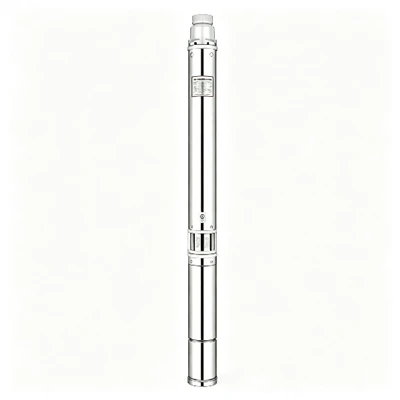
First off, let’s talk about what actually drives the cost. A lot of people think it’s just horsepower, but it’s way more than that. The type of pump matters a ton. For example, submersible sewage pumps — the ones that sit right in the wastewater basin — are usually pricier than pedestal pumps that sit on the floor outside. Why? Because submersible models are sealed to handle moisture, have better motor cooling, and don’t take up extra floor space. Pedestal ones are simpler, cheaper, but they’re louder and not as good for heavy-duty use.
Then there’s the size and flow rate. If you’re installing a pump in a small residential basement with only a bathroom and a laundry, you won’t need a monster pump that can move 100 gallons per minute. Those small residential pumps might run anywhere from $200 to $800. But if you’re dealing with a commercial space — like a restaurant, an apartment building, or a small industrial facility — you’re going to need something way more powerful. Commercial sewage pumps can handle higher volumes and bigger solids, and those start around $1,200 and can go up to $5,000 or more. I’ve seen industrial-grade pumps for large factories or municipal projects that top $10,000, but that’s for extreme use cases.
Don’t forget about the features, either. Some pumps come with built-in alarms that go off if the water level gets too high — super helpful for people who aren’t around to monitor their system. Others have automatic shutoffs, corrosion-resistant casings (important if your area has harsh wastewater), and higher-efficiency motors to cut down on electricity bills. Those extras add up. A basic submersible pump without fancy features might be $300, but throw in a smart alarm system and corrosion protection, and that same pump can jump to $600.
Installation costs are another big piece of the puzzle that a lot of people overlook. The pump itself is only part of the bill. If you’re a DIYer with some plumbing experience, you might be able to install a small residential pump yourself and save on labor. But for most people, and especially for commercial jobs, you’ll need a professional plumber or technician. Installation can add anywhere from $500 to $2,000, depending on how deep the basin is, if there’s existing plumbing that needs to be modified, and local labor rates. I always tell customers to budget for installation separately — it’s not something you want to cut corners on, because a bad installation can lead to clogs, leaks, or pump failure way sooner than it should.
Also, consider long-term costs. A cheaper pump might seem like a good deal at first, but if it breaks in a year and a half, you’ll end up spending more on a replacement and emergency service calls. Quality pumps from reputable brands have better warranties — some offer 2 to 5 years — and are built to last 10 to 15 years with proper maintenance. I’ve had customers who bought a $150 no-name pump online, and it died within 6 months; when they came to me for a replacement, they ended up spending almost as much on the good pump plus emergency labor. It’s better to invest a little more upfront for something reliable.
Let’s get into some real examples to make this concrete. Last month, a homeowner came to me needing a sewage pump for a 3-bedroom house with a basement bathroom and laundry. They had a small basin, so we recommended a ½-horsepower submersible pump with a float switch. The pump was $450, and installation by our trusted tech was $600 — total around $1,050. That was right in their budget, and they were happy to have a pump that came with a 3-year warranty.
Another customer was a small café owner. Their grease waste was a bit more harsh, so we suggested a ¾-horsepower submersible pump with a cast-iron casing (better against corrosion) and a high-flow rate to handle the café’s usage. The pump was $1,800, installation was $900, and we added on a annual maintenance checkup for $150 — total around $2,850. They said it was worth it because the last pump they had from a big-box store only lasted 18 months.
What about factors that can increase the cost even more? If your basin is really deep, the pump has to push water up a taller distance, which means you need a more powerful motor. If you have to pass through multiple bends in the discharge pipe, that adds resistance, so you’ll need a higher-flow pump too. And if you’re in a area with strict building codes, you might need extra parts like check valves or backwater preventers, which can add $100 to $300 to the total.
I also want to mention that refurbished pumps aren’t always a bad option, but you have to be careful. Refurbished pumps are usually cheaper — sometimes half the price of new ones — but make sure they come with a warranty. I’ve seen some sketchy sellers try to pass off used pumps as refurbished, so always ask for details on what was replaced and tested. For light residential use, a good refurbished pump can save you money, but for commercial jobs, it’s usually better to go new.
A common mistake I see is people buying a pump that’s too small for their needs. If your pump can’t keep up with the water flow, it will run nonstop, which wears it out faster and uses more electricity. That’s why it’s important to calculate your required flow rate before you buy. For residential, a ½-horsepower pump usually does the trick, but if you have multiple bathrooms or a large laundry room, you might need ¾-horsepower. For commercial, you’ll want to work with a supplier to figure out exactly what size you need — that’s where we come in.
So let’s wrap this up. To answer the question “how much does a sewage pump cost?” — for residential, it’s usually $500 to $1,500 total (pump plus installation). For commercial, it’s $1,500 to $6,000 and up. For industrial, it can be way more. But again, that’s a rough range — the real number depends on type, size, features, installation, and your specific usage.

If you’re still not sure which pump is right for you, don’t guess. Reach out — we can walk you through your options, answer any questions you have, and help you find something that fits your budget and needs. We don’t do pressure selling; we just want you to get a pump that works well and lasts, because we know how stressful a sewage pump failure can be. Whether it’s a basement backup ruining your floor or a café needing to stay open, we’re here to help you make the right call.
Peripheral Pump References
- Institute of Plumbing and Heating Engineering. (2021). Guide to Sewage Pump Selection and Installation.
- Pump Industry Association. (2022). Cost Comparison of Residential vs. Commercial Sewage Pumps.
- International Association of Plumbing and Mechanical Officials. (2023). Building Code Requirements for Wastewater Pump Systems.
Longbiao Pump Industry Co., Ltd.
We are one of the most professional sewage pump manufacturers and suppliers in China, featured by quality products and low price. Please rest assured to buy discount sewage pump for sale here from our factory. We also accept customized orders.
Address: Unit 101, Building 11, Pan’ao Entrepreneurship Park, Daxi Town, Wenling City, Taizhou City, Zhejiang Province, P.R. China
E-mail: 1653746797@qq.com
WebSite: https://www.cnlongbiao.com/
