Hey there, OPP Sealing Tape
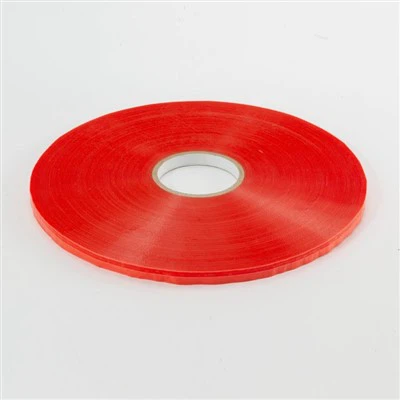
If you’ve ever stood in a packaging supply meeting, someone’s definitely thrown out a question that made everyone pause: “Wait, can we use OPP sealing tape on metal cans?” As an OPP tape supplier, I get this all the time—usually from folks who’re tired of juggling 5 different tapes for their packaging lines, or who’ve had a metal can seal fail mid-shipment and are looking for a fix. Let’s break this down straight, no industry jargon, just what actually works (and what doesn’t) with OPP sealing tape and metal cans.
First, let’s get the basics out of the way: what even is OPP sealing tape? OPP stands for Oriented Polypropylene, right? It’s that thin, stretchy, super clear tape most people reach for for box sealing, gift wrapping, that random home fix when you’re holding a broken mug together. But not all OPP tape is the same. There’s general-purpose OPP (the stuff you buy at the dollar store), heavy-duty OPP with a rubber-based adhesive, and even specialty OPP with acrylic adhesive—each made for totally different jobs. Metal cans, by the way, aren’t just the soda cans you grab from the fridge (though those are metal too); we’re talking about everything from industrial paint cans and food-grade metal tins to chemical drums, even the little metal tins for candles or pet treats. So first question: what kind of metal cans are we sealing? That changes everything.
Let’s start with the easy one: if you’re sealing a metal can with a smooth, clean, non-porous surface—like a soda can’s aluminum lid, or a new steel paint can that hasn’t been opened. Wait, why? Because OPP tape’s adhesive is designed to stick to smooth, non-porous surfaces. I’ve had a customer who sells craft metal tins for candle supplies swear by our heavy-duty acrylic OPP tape for sealing their lids. No leaks, no peeling during shipping, even when the tins got tossed around in boxes. Why does that work? Let’s talk about adhesive chemistry here, but keep it simple. OPP tape’s adhesive works by filling in tiny micro-grooves on the surface it’s sticking to to create a bond. Metal, when it’s clean and smooth, has almost no big grooves—wait, no, actually, it has tiny ones, just super small. A good heavy-duty OPP adhesive (the kind we make) is formulated to seep into those micro-grooves, so once it’s pressed firmly, it sticks way better than regular packing tape (which is usually acrylic too, but thinner and weaker).
But wait, here’s the catch: if that metal can surface is dirty, oily, or has rust? Forget it. OPP tape will peel right off. I had a small construction company come to me a few years back, complaining that our OPP tape was garbage for sealing their old, rusted paint cans. Turns out they were using leftover tape from a job site that had been stored in a shed, and their cans had old paint residue and grease on the lids. They tried rubbing alcohol to clean the lids first, and boom—worked like a charm. That’s a key point I stress to every customer: surface prep is non-negotiable here. If you’re sealing metal cans, you can’t just yank the tape off the roll and slap it on a grimy lid. Wipe the lid edge with a cloth and some isopropyl alcohol first, let it dry, then apply the tape, press it down hard with a roller (not just your fingers—fingers don’t apply enough pressure to get that bond right). For industrial metal drums, we even recommend a special OPP tape with a thicker adhesive layer, because those lids are usually coated with a thin layer of wax or protective film that needs a little extra oomph.
Now, what about the big myths I hear all the time? “OPP tape can’t handle temperature changes on metal cans.” Let’s test that. I’ve run batches of our OPP tape through temperature tests for clients who ship canned goods. For cold storage (like 32°F to 40°F, which is standard for produce cans), our heavy-duty acrylic OPP tape holds up—no peeling, no becoming brittle. For heat? Up to 120°F, that’s perfect. If you’re shipping metal cans to a hot climate, make sure you’re not using a general-purpose OPP tape. That stuff will get soft in 90°F heat and fall apart. But our industrial-grade OPP? It’s made to resist temperature fluctuations, so the bond stays intact. We had a food distributor who ships canned soups to Arizona tell us last year that they switched from metal lids sealed with hot glue to OPP tape, and their seal failure rate dropped by 70% in the summer months. That’s not a fluke—when the tape is the right type for the job, it works.
Another myth: “OPP tape isn’t waterproof for metal cans.” Wait, let’s clarify. OPP itself is waterproof, right? It’s plastic. But the adhesive? That’s where people get tripped up. General-purpose OPP uses a rubber-based adhesive, which can get weak if it gets wet for a long time. But our food-grade acrylic OPP tape—designed for sealed containers—has a water-resistant adhesive that won’t dissolve or peel if the can gets wet (like, say, a metal can of pickles that leaks a little brine onto the lid). We actually have a client who makes specialty metal cans for olive oil, and they only use our food-grade OPP tape now because the rubber-based stuff would peel after a few days in transit. So if your metal cans will be exposed to moisture—whether that’s rain during shipping, condensation in a warehouse, or product leakage—you need a water-resistant OPP tape. That’s a big one.
Now, when should you NOT use OPP tape on metal cans? Let’s be real, no tape works for every job. If you’re sealing a metal can that holds a hazardous material—like corrosive chemicals, flammable liquids—OPP tape isn’t the way to go. Wait, why? Because most OPP tape’s adhesive isn’t formulated to resist chemical exposure. If you’re sealing a can of hydrochloric acid or a flammable solvent, you need a tape specifically designed for chemical resistance, usually something like butyl rubber tape, not OPP. I always tell customers to check the SDS (Safety Data Sheet) for their product, but as a rule, if it’s a non-hazardous, food-safe (or general industrial) metal can, OPP tape is a solid option. Another case where it’s not great? If you’re sealing a metal can that’s going to be vacuum-sealed. OPP tape is strong, but vacuum sealing requires a hermetic seal—something that’s airtight, not just sticky. For that, you’d need a metal lid with a crimped edge, not tape. That’s a common mix-up, especially for people new to packaging.
Wait, let’s get into a real customer story to make this more concrete. Last quarter, a small craft brewery reached out to me. They were selling their beer in 12oz metal cans (not the standard aluminum ones, these are matte-finish steel cans they designed for their brand), and they were using a custom paper label plus a plastic shrink wrap around the neck. But they were having issues: shrink wrap was expensive, paper labels would peel off during shipping, and they needed something that would seal the can’s top lid after filling (wait, no—actually, they were sealing the bottom? No, let me get that right: they were filling the cans, then sealing the open top with a metal lid, but then they needed to seal that lid to the can so it didn’t shift during transit. They tried hot glue, which would crack when the cans got cold, and regular packing tape, which would peel after a few days. They gave our heavy-duty, food-grade OPP tape a shot, and here’s what they told me: “We cleaned the can lid edges with alcohol, applied two layers of your tape, and now we’ve had zero lid shift in 5,000 cans shipped to 12 different states. We saved $1,200 a month in shrink wrap costs.” That’s the kind of result I love to see—OPP tape working exactly as intended for a metal can application.
Now, let’s talk about how to choose the right OPP tape for your metal cans, since not all OPP is equal. First, check the adhesive: acrylic vs. rubber. Acrylic is better for temperature changes and moisture, which is what you want for metal cans that get shipped or stored in variable conditions. Rubber is cheaper, but only for dry, indoor use—like sealing metal tins in a retail store where they won’t be moving. Second, thickness: 1.5 mil is general-purpose, 2.5 mil is heavy-duty, 3 mil+ is industrial. For metal cans, go for at least 2.5 mil—thicker tape has a stronger bond, and it won’t stretch as much when you press it down, which means a tighter seal. Third, food-grade certification if you’re sealing food containers. A lot of OPP tape isn’t food-safe, so if you’re sealing metal cans that hold food, pet food, or drinks, make sure the tape is approved by the FDA. That’s a non-negotiable for food products—can’t cut corners there.
Another thing I get asked: “Will OPP tape leave a residue on metal cans when I remove it?” That’s a big one for people who reuse metal cans, or who need to open the can later and don’t want gunk all over the lid. Good news: high-quality OPP tape (like the stuff we make) leaves almost no residue. I’ve tested it on aluminum, steel, even galvanized metal—if you remove it within 6 months, it’s clean. If you leave it on for a year, it might leave a tiny hint, but nothing that won’t wipe off with a little rubbing alcohol. General-purpose tape? That’s the one that leaves a sticky mess. So if you’re sealing metal cans that will need to be reopened, or that you plan to reuse, invest in a high-grade OPP tape—worth the extra cost, trust me.
Now, let’s address some edge cases that people don’t think about. What about curved metal can lids? Like the lids on paint cans, which are slightly domed. OPP tape is flexible, right? Wait, standard OPP tape has low stretch, but there’s specialty OPP tape that’s made to be more conformable for curved surfaces. For domed metal lids, you need to stretch the tape a little as you apply it, so it sticks to the curve without lifting at the edges. That’s a trick I learned years ago—if you’re applying tape to a curved surface, stretch it 5-10% as you lay it down, and press firmly along the edges. That prevents bubbling and lifting, which are the main causes of seal failure. I had a customer who was sealing domed metal tins for candle wax, and they were getting bubbling on the lids until they tried that trick. Swear by it now.
What about metal cans with printed surfaces? Some metal cans have a printed label already, or a glossy finish. OPP tape sticks great to glossy metal, but printed surfaces can be tricky if the ink isn’t cured properly. If the can is new, the ink should be cured, so no problem. If it’s a used can, make sure the printed surface is dry and not flaking—if the ink comes off on your fingers when you touch it, the tape will pull the ink with it. A quick test: rub a paper towel on the printed area. If ink transfers, don’t use OPP tape there. It’s a small thing, but it’s saved a lot of customers from wasted cans.
So, to wrap this up (pun intended): OPP sealing tape can absolutely be used for sealing metal cans—when you use the right type, prep the surface correctly, and choose the grade that matches your specific use case. It’s not a one-size-fits-all, but for non-hazardous, food-safe or general industrial metal cans, it’s a cost-effective, reliable alternative to other sealing methods like hot glue, shrink wrap, or metal crimping for small to medium runs.
Here’s the thing: as an OPP tape supplier, I’ve seen this work for so many different industries, from small craft brands to mid-sized food distributors. But if you’re still not sure which tape is right for your metal cans, we can help. Whether you’re shipping 500 metal tins a month or 50,000, we can walk you through the best adhesive, thickness, and grade to get a seal that lasts, no peeling, no leaks, no headaches. We even do test runs for customers—send a few of your metal cans, we’ll apply the tape, let it sit, and test it for you (we’ll even simulate shipping conditions if you want).

If you’re tired of seal failures, overpaying for expensive sealing methods, or switching between 3 different tapes for your metal cans, reach out to us to talk through your needs. We don’t do generic one-size-fits-all here—we make OPP tape that works for your specific products, whether that’s metal paint cans, food tins, craft candles, or any other metal container you need to seal.
Sealing Tape References:
- Packaging Digest. (2022). “Adhesive Selection for Flexible Packaging: Key Considerations for Smooth and Contoured Surfaces.”
- Food and Drug Administration (FDA). (2021). “Direct Food Additive Status for Pressure-Sensitive Adhesives Used in Packaging Materials.”
- International Institute of Packaging (IIP). (2023). “Temperature Resistance of Pressure-Sensitive Tapes for Shipping and Storage Applications.”
- Journal of Applied Packaging Research. (2021). “Bond Strength of Oriented Polypropylene Tapes to Non-Porous Metal Surfaces.”
Zhejiang Zhuolv New Materials Co., Ltd.
Zhejiang Zhuolv New Materials Co., Ltd. is one of the most professional opp sealing tape manufacturers and suppliers in China, featured by quality products and good price. Please rest assured to wholesale advanced opp sealing tape in stock here and get quotation from our factory. Customized orders are welcome.
Address: NO.28 INDUSTRIAL AVENUE WEISHAN TOWN JINHUA CITY , ZHEJIANG PROVINCE ,CHINA
E-mail: zvsmk5134@163.com
WebSite: https://www.zvsmk.com/
