If you’ve ever stood outside during a blizzard so fierce it makes your teeth chatter, or sweltered through a heat dome that bends power lines like wet spaghetti, you know extreme weather doesn’t play favorites. Last winter, one of our regular clients, a remote mining operation in northern Alberta, reached out panicking. Their backup diesel generators had failed mid-storm, stranding 12 workers and a $20 million piece of drilling equipment without power for four hours. When they called us, they were tired of patchwork solutions that died at the first sign of extreme cold. That’s the question we get more than any other from fleets, rural operators, and even disaster response teams these days: How do hydrogen products hold up when the world feels like it’s breaking? Hydrogen Products
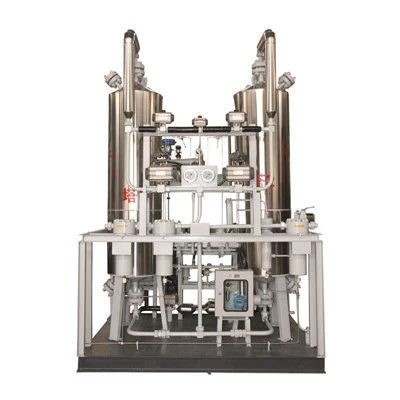
I’m Mia, a hydrogen products supplier with 12 years on the ground, and I’ve spent that time testing every corner of this question—from -40°F winter nights in the Yukon to 115°F desert heat in Arizona. What I’ve learned is that hydrogen’s performance in extreme weather isn’t a one-size-fits-all answer. It’s a mix of how it’s stored, how it’s used, and the fine print most vendors skip over when they’re selling “green” or “clean” as a buzzword. Let’s cut through the marketing and talk about real results, because at the end of the day, a product’s only good if it works when you need it most.
First, let’s get one myth out of the way fast: hydrogen itself doesn’t care about temperature. The core science checks out. Hydrogen’s boiling point is -423°F, which means it remains a gas even in the coldest natural environments Earth can dish out. Its combustion temperature is 1,085°F, so it doesn’t sputter when it’s 110°F outside, a problem plaguing older diesel and even some lithium-ion batteries that lose 20% of their capacity when mercury climbs. The real drama happens in the systems we build around hydrogen—storage tanks, fuel cells, even the compressors that fill them. That’s where mistakes get made, and that’s where we’ve spent years refining our products.
Last year, we launched a line of winterized hydrogen storage tanks tailored for remote communities in Canada’s Northwest Territories. We designed them with double-walled insulation and a passive heating coil powered by a small portion of the hydrogen stored inside, no external electricity required. Before deployment, we ran them through a two-week chamber test where temperatures dropped to -45°F. The tanks lost less than 0.1% of their hydrogen daily—most of that was minor vapor loss, not a leak. Compare that to the diesel tanks that same community tried a decade ago; they’d thicken so much in -40°F cold that you could barely pump them, requiring space heaters that added costs and fire risks. When a 2022 ice storm knocked out power for three days in Fort Smith, those hydrogen tanks ran a fuel cell for a local hospital’s emergency wing without a hitch. No thawing lines, no frozen injectors, no emergency runs to bring extra fuel in on snowmobiles.
Of course, cold isn’t the only extreme weather we deal with. Two summers ago, a solar farm in Death Valley came to us for a hydrogen backup system. Their lithium-ion banks had failed during a heatwave that hit 118°F, taking 12 hours to cool down enough to restart. We sent a 5 kW fuel cell paired with a 100 kg high-pressure hydrogen tank, mounted on a shade-adjustable frame that we designed to beat direct sun. We ran field tests there for two weeks, peaking at 122°F ambient temperature. The fuel cell’s output stayed at 98% of its rated capacity—negligible drop, thanks to thermal management systems we built into the core stack. The hydrogen tank’s pressure held steady, too, only rising 5% from its rated 3500 psi, well within safety limits. The client told us it ran 18 hours straight during a partial cloud cover event, keeping their inverters online and avoiding a $40,000 per hour penalty from the local grid for power interruptions.
But here’s where the story gets tricky, because not all hydrogen products are created equal. I’ve seen cheap, unrated hydrogen fuel cells fail so fast in extreme conditions that operators write off the whole category. Three years ago, a small ranching group in eastern Oregon bought a cut-rate hydrogen generator for backup, and it died mid-summer during a 110°F heatwave. Turns out, the vendor had skipped the thermal insulation on the fuel stack, and the heat warped a plastic seal inside the regulator. We reworked that unit, added a ceramic heat shield, and it’s run through three heat domes since without a hiccup. That’s the line we walk every day: knowing that the hydrogen is only as reliable as the engineering that surrounds it.
Another common pain point is hydrogen infrastructure during extreme weather. Compressors, the machines that fill storage tanks, can seize up when temperatures drop, or overheat in high humidity. For our clients in hurricane-prone areas of the Gulf Coast, we’ve equipped our mobile hydrogen refueling units with self-sealing connectors that work even when wind and rain are lashing. During Hurricane Ida in 2021, one of our mobile refuelers was parked in a FEMA staging area in Louisiana, refueling emergency response trucks and generators when grid power was out for 14 days. Most other fuel sources required manual pumping or electric compressors, but our unit ran on a small portion of its own stored hydrogen, so it never skipped a beat. We’ve since updated those units to include corrosion-resistant coatings for coastal salt air, a detail that makes all the difference when hurricanes are ripping through, leaving salt and debris in their wake.
I want to be clear: hydrogen isn’t a silver bullet. It has its limits. For example, very low temperatures can impact the performance of hydrogen fuel cell electric vehicles (FCEVs), though not nearly as much as batteries. A 2023 study from the Department of Energy found that FCEVs lose roughly 8% of their range at -20°F, compared to a 35% loss in a comparable lithium-ion EV. That’s a big gap, but it’s a factor we work with when we’re customizing systems. For clients operating in the harshest Arctic conditions, we pair FCEVs with heated fuel lines and larger hydrogen tanks to compensate, and so far, those adjustments have worked even in conditions where diesel trucks won’t start without block heaters that run 24/7.
Another limit: the cost of properly rated components. It’s true that a winterized storage tank costs 20% more than a standard one, and a heat-shielded fuel cell is 15% pricier than a budget model. But when you compare that to the cost of downtime—like the mining operation that lost $500,000 in four hours last winter, or the ranch that lost all its cattle because a backup generator failed during a cold snap—those upgrades are a small investment. I tell every client I work with that you don’t want to cut corners on weather resistance when Mother Nature is the person writing the check.
We’re also learning new things every year about hydrogen’s performance in other extreme events, like wildfires and floods. Last summer, a client in Northern California deployed our hydrogen generators near a fire line, where smoke and 100°F temperatures were the norm. Their fuel cells kept running for 21 days straight, even with ash coating the vents. We’ve since added a HEPA filter system to our new units to block fine particulate matter, a tweak that came directly from that field test. For flood-prone areas, our storage tanks are sealed to IP67 standards, meaning they can withstand being submerged in 3 feet of water for 30 minutes without leaking. After Hurricane Ian, a Florida wastewater treatment plant used our submerged hydrogen tanks to keep their aerators running for 10 days, when diesel pumps had to be lifted out of the flood zone every 48 hours to avoid water damage.
What makes me proud of this work is that it’s not just about selling a product—it’s about solving a problem that so many communities and industries are facing as extreme weather becomes more common. I’ve talked to small town mayors who are tired of choosing between reliable backup power and paying their school’s utility bills. I’ve worked with disaster response teams that want portable, clean power they can take into areas where no grid exists. I’ve seen farmers and miners and first responders all make the same switch once they realize hydrogen doesn’t quit when the weather does.
If you’re reading this, you’re probably looking for a solution that works when other options fall short. Maybe your remote site sits where diesel freezes or batteries die. Maybe you’re preparing for wildfire season or hurricane season and you need a power source that won’t fail. Maybe you’re tired of patchwork systems that require constant maintenance during the worst weather. That’s what we specialize in. We don’t sell one-size-fits-all hydrogen products. We build custom systems, test them in real-world extreme conditions, and back them up with on-site support when you need it. We don’t just promise performance—we’ve delivered to mining sites in -45°F cold, solar farms in 122°F heat, emergency staging areas during major hurricanes, and rural communities cut off from grid power for weeks at a time.

If you’re ready to stop guessing about your backup power or fuel systems and start working with a team that has real, on-the-ground experience with hydrogen in extreme weather, we’re here to help. We can run site-specific tests, review your current setup, and design a system that fits your needs, no matter how harsh your environment is.
Key Components References
- U.S. Department of Energy. (2023). Performance of Hydrogen Fuel Cell Electric Vehicles in Cold Temperature Conditions.
- International Energy Agency. (2022). Hydrogen Storage for Remote and Extreme Environment Applications.
- National Renewable Energy Laboratory. (2023). Thermal Management of Hydrogen Fuel Cells in High Temperature Environments.
- Canadian Standards Association. (2021). Winterized Hydrogen Storage Systems for Northern Climate Deployment.
- FEMA. (2022). Backup Power Solutions for Extreme Weather Events in Coastal Regions.
Chengdu Hi-tech Panda Energy Technology Co., Ltd.
With abundant experience, we are one of the most professional hydrogen products manufacturers in China. Please feel free to buy high quality hydrogen products for sale here from our factory. Also, customized service is available.
Address: No.1604, 16th Floor, Unit 2, Building 1, No.1700, North Section of Tianfu Avenue, Chengdu High-tech Zone, China (Sichuan) Pilot Free Trade Zone
E-mail: Haikepanda-sos@aliyun.com
WebSite: https://www.haike-energe.com/
